
If you’re gearing up for an adventurous trip, one thing you can’t afford to overlook is how to stay hydrated and nourished. Proper nutrition tips for adventurous trips aren’t just about fueling your body—they’re about keeping your energy high, preventing fatigue, and making sure you enjoy every step of the journey. Whether you’re hitting the trail for a day hike or tackling a multi-day trek, mastering hydration and packing the right foods will transform your experience. Ready to boost your stamina and adventure smarter? Let’s get into the essentials you need to know.
Understanding Your Nutritional Needs on the Trail
When you’re out on adventurous trips, understanding your nutritional needs is crucial to keep energy levels high and your body performing at its best. Your daily calorie requirements depend on the intensity and length of your hike or trek. For moderate hiking, most people burn between 300 to 600 calories per hour, but this can increase significantly on challenging terrain or at high altitudes.
Macronutrient Breakdown for Adventure Travel Nutrition
To fuel your body efficiently, balance your intake of:
- Carbohydrates (50-60%): Your primary energy source. Focus on quick-energy carbs like dried fruits, energy bars, and whole grain snacks.
- Proteins (15-25%): Vital for muscle repair and recovery. Include lightweight options such as jerky, nuts, or protein powders.
- Healthy Fats (20-30%): Provide sustained energy. Good choices include nuts, seeds, and nut butters.
Adjusting this balance based on your activity level ensures you stay energized, avoid fatigue, and recover well. Remember, calorie-dense hiking snacks and nutrient-rich meals tailored to your needs make all the difference in performance on the trail.
Staying on top of your nutrition sets the foundation for safe and enjoyable outdoor adventures.
Mastering Hydration Strategies
Staying hydrated is crucial for any adventurous trip. Proper hydration helps maintain energy, supports muscle function, and prevents dehydration, which can quickly sap your strength on the trail. As a general guideline, aim to drink about 2 to 3 liters of water daily, but this can increase depending on your activity level, weather, and altitude.
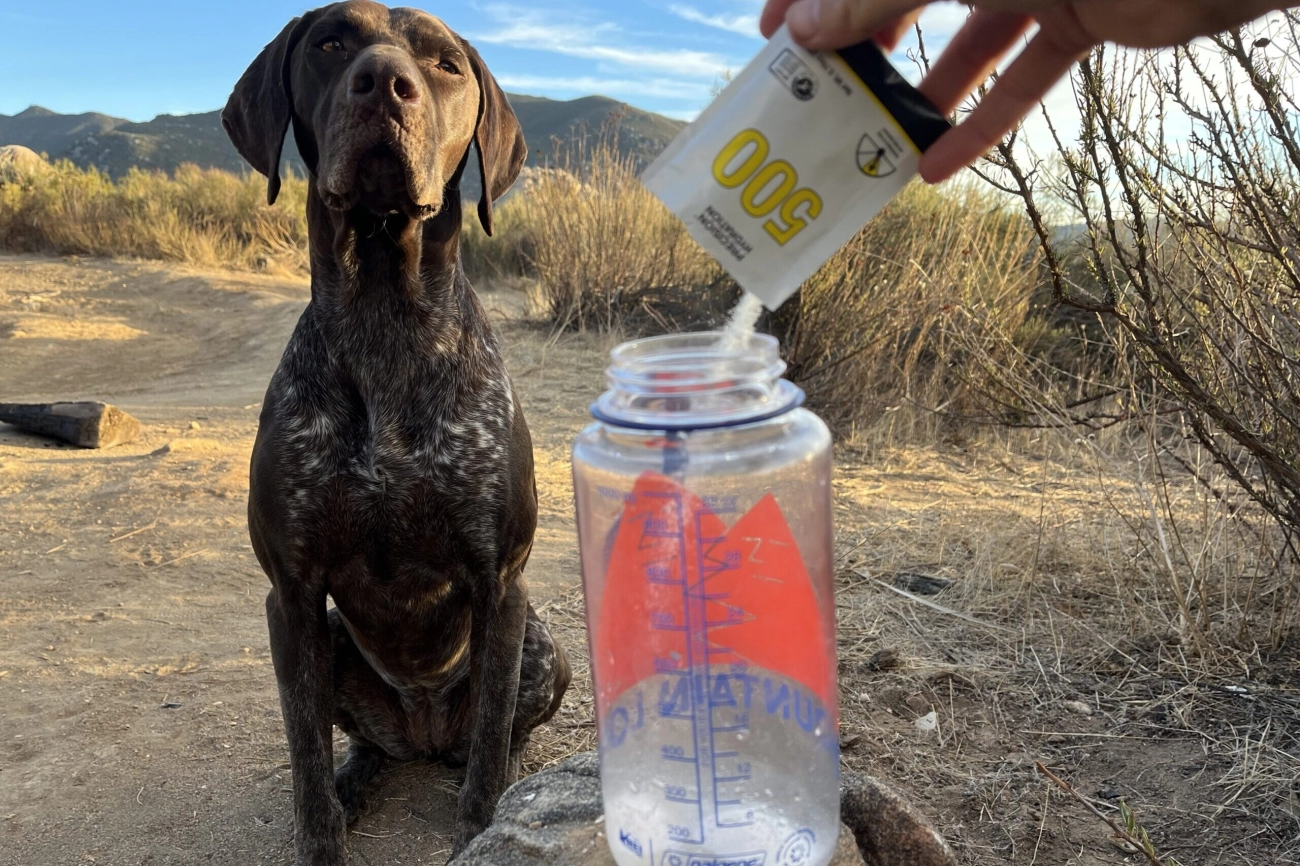
To keep electrolytes balanced—vital for hydration and preventing cramps—consider carrying electrolyte replacement packs or tablets. These help replenish sodium, potassium, and magnesium lost through sweat. Using hydration tools like insulated water bottles or hydration bladders can make it easier to sip regularly throughout the day.
Remember, drinking water isn’t just about quantity; it’s about timing too. Sip small amounts frequently rather than gulping large quantities at once to stay optimally hydrated during your trek. For more on hydration benefits, checking out the guide on the benefits of cold water can offer useful insights to keep your hydration game strong.
Planning and Packing Nutrient-Dense Foods
When preparing for adventurous trips, packing nutrient-dense foods that are lightweight and easy to manage is key. Focus on foods that provide ample energy without adding extra bulk. Think calorie-dense options like nuts, seeds, dried fruits, and energy bars—these offer good fats, carbs, and proteins in a compact form.
Keep food safety in mind: store perishables properly and use resealable bags to avoid spills. Also, pack foods that tolerate changes in temperature and humidity well, so your snacks stay fresh on the trail.
Balancing no-cook snacks with hot meals can make your trail nutrition more manageable and enjoyable. No-cook options—like trail mix, jerky, or granola—are perfect for quick energy boosts during the day. Meanwhile, packing some lightweight dehydrated meals or instant soups lets you enjoy a warm, satisfying meal in the evening without overloading your pack.
For expert tips on how to efficiently prepare and pack your food, exploring a detailed guide on how to prepare and pack a backpack can help refine your planning process. This approach ensures you stay fueled and hydrated without unnecessary weight slowing you down.
Best Foods and Snacks for Adventurous Trips
When hitting the trail, packing the right foods can make all the difference. Focus on quick-energy carbs like dried fruits, granola bars, and whole-grain crackers to keep your energy levels steady. For protein sources, consider jerky, nuts, seeds, or shelf-stable cheese, which help repair muscles and keep you feeling full. Don’t forget healthy fats such as nut butters or trail mix with dark chocolate—these provide long-lasting energy without taking up much space.
Hydrating foods like fresh fruits (apples, oranges) and vegetables (cucumber, bell peppers) can also boost hydration, especially when you want a refreshing break on hot or strenuous days.
When choosing between ready-to-eat and dehydrated meals, consider your trip length and weight limits. Ready-to-eat meals are convenient for short trips or quick stops, while dehydrated or freeze-dried meals are lighter and ideal for multi-day adventures but require water and some prep time. Both have a place in your packing food for multi-day hikes strategy, depending on your needs and available resources.
Sample Meal Plans for Different Trip Lengths
Planning your nutrition depends a lot on how long you’ll be out. Here’s a simple guide for day hikes, overnight trips, and multi-day adventures, including smart resupply tips.
| Trip Length | Meal Focus | Food Ideas | Resupply Tips |
|---|---|---|---|
| Day Hikes | Quick energy + hydration | Trail mix, energy bars, fruit, nuts | Not usually needed, carry all day food |
| Overnight | Balanced meals + easy snacks | Freeze-dried meal, jerky, nuts, crackers | Minimal resupply; pack everything in |
| Multi-day | Calorie-dense, lightweight foods | Dehydrated meals, oatmeal, nut butter packets, electrolyte packs | Plan resupply points for fresh snacks or fuel |
Key Tips:
- For day hikes, prioritize easily digestible, quick-energy foods like calorie-dense hiking snacks that won’t weigh you down.
- Overnight trips allow for a simple hot meal, such as a freeze-dried meal for backpacking combined with no-cook snacks.
- On longer trips, balance nutrient-dense trail foods that keep energy steady. Incorporate packing food for multi-day hikes by planning resupply stops if possible to refresh your food stash and avoid overpacking.
Hydration remains crucial throughout. Pair meals with proper hydration tips for hiking, including water and electrolyte intake to stay energized.
For more insight on managing energy on trips and maintaining focus, check out strategies on why everyone should be active to support endurance in your outdoor adventures.
Special Considerations for Challenging Conditions
When adventure takes you into tough environments like high altitudes, scorching heat, or freezing cold, your nutrition and hydration needs shift. Paying attention to these changes can boost your energy and keep you safe.
High Altitude:
At higher elevations, your metabolism speeds up, increasing calorie and water demands. Focus on calorie-dense hiking snacks rich in carbohydrates to fuel your body efficiently. Also, hydration is crucial since dry mountain air causes faster fluid loss. Electrolyte replacement packs become important to maintain balance and avoid dehydration on trails.
Hot Weather:
Heat means more sweat, which carries away not just water but vital salts. Drinking plenty of water and including hydrating foods like fruits can help. Opt for lightweight backpacking food that won’t spoil quickly in the heat. Don’t forget to replenish sodium and potassium with electrolyte supplements or salty snacks.
Cold Environments:
In cold weather, your body burns extra calories just to stay warm. Prioritize fats and proteins for sustained energy because they digest slower and keep you feeling full longer. Hot meals can be a great morale booster and energy source here, with freeze-dried meals for backpacking providing a lightweight, easy option.
Dietary Restrictions:
Vegan, gluten-free, or allergy-sensitive diets require extra planning. Look for nutrient-dense trail foods that meet your needs without adding weight. Combining no-cook snacks with easy-to-prepare meals ensures you get a balanced mix of carbs, proteins, and fats regardless of your limits.
Adjusting your nutrition and hydration strategies for these conditions is key to safe and enjoyable adventure travel nutrition. For ideas on balanced meals suitable for outdoor trips, check out our roast chicken recipe as a protein-packed option that can be adapted for camping.
Common Mistakes to Avoid and Pro Tips
When it comes to staying hydrated and nourished on adventurous trips, avoiding common pitfalls can make all the difference.
Overpacking is a frequent mistake. Bringing too much food adds unnecessary weight and slows you down. Focus on lightweight backpacking food that’s calorie-dense yet compact. Aim for nutrient-rich options that pack a punch without bulk.
Relying heavily on processed foods like sugary bars or chips can lead to energy crashes and lack of essential nutrients. Instead, mix in whole foods such as nuts, dried fruits, and jerky to maintain balanced energy levels and better overall health on the trail.
Taste fatigue is real. Eating the same snacks or meals repeatedly can kill your appetite and motivation. To avoid this, rotate your food choices and include a variety of flavors and textures in your pack. This keeps meals appealing and your energy stable.
Lastly, think about sustainable packing. Choose reusable containers, avoid over-packaged snacks, and bring biodegradable waste bags to minimize your environmental impact. Smart packing not only benefits you but preserves the outdoors for future adventures.
For more insights on maintaining balance and health during outdoor activities, check out this helpful guide on nutritionist-approved ways to boost energy naturally.
Keeping these tips in mind ensures your nutrition stays effective, your pack light, and your trip enjoyable from start to finish.