

Your doctor called with your blood work results. LDL is elevated — 148 mg/dL. Not high enough for immediate medication, but high enough to start the conversation. She tells you to try lifestyle changes first and come back in three months.
You start reading. The supplement aisle is overwhelming. Red yeast rice. Omega-3s. Berberine. CoQ10. Plant sterols. Niacin. Garlic extract. Every bottle claims to support cardiovascular health. None of them say by how much.
Six supplements have real clinical data behind them. Two work better than most people expect. One is regularly misused. And there are clear situations where skipping supplements entirely — and going straight to medication — is the smarter move.
Why the Supplement Aisle Gets Cholesterol Wrong
Most people buy cholesterol supplements to lower their total cholesterol number. That’s the wrong target.
Total cholesterol is a composite figure. It includes LDL (the type linked to arterial plaque), HDL (the protective type), VLDL, and triglycerides. A person with total cholesterol of 200 mg/dL can have a completely different risk profile from someone else with the same number depending on how those components break down.
The target that actually matters is LDL-C — lowering it specifically. Secondary targets include triglycerides (especially relevant if yours are above 150 mg/dL) and raising HDL, though raising HDL through supplementation has proved surprisingly difficult in clinical trials.
Here’s what most supplement marketing skips entirely: LDL particle size matters as much as LDL quantity. Small, dense LDL particles are more likely to penetrate arterial walls than large, fluffy ones. Standard cholesterol panels don’t measure particle size. The Cleveland HeartLab NMR LipoProfile test does — and if your doctor hasn’t mentioned it, it’s worth asking about before you decide supplements aren’t working.
Why does this matter? Because some supplements that look modest on paper — psyllium fiber, omega-3s — improve particle size and triglycerides in ways a simple LDL number won’t capture. Conversely, some supplements with mediocre LDL data may still be doing something useful. The clinical picture is messier than any label will tell you.
None of this means supplements don’t work. It means you need to know what you’re targeting, and track the right markers. Three months of fasted lipid panels before and after a supplement trial is the minimum useful experiment. Anything shorter than that, and you’re guessing.
The Evidence Tier: Six Supplements, Ranked Honestly
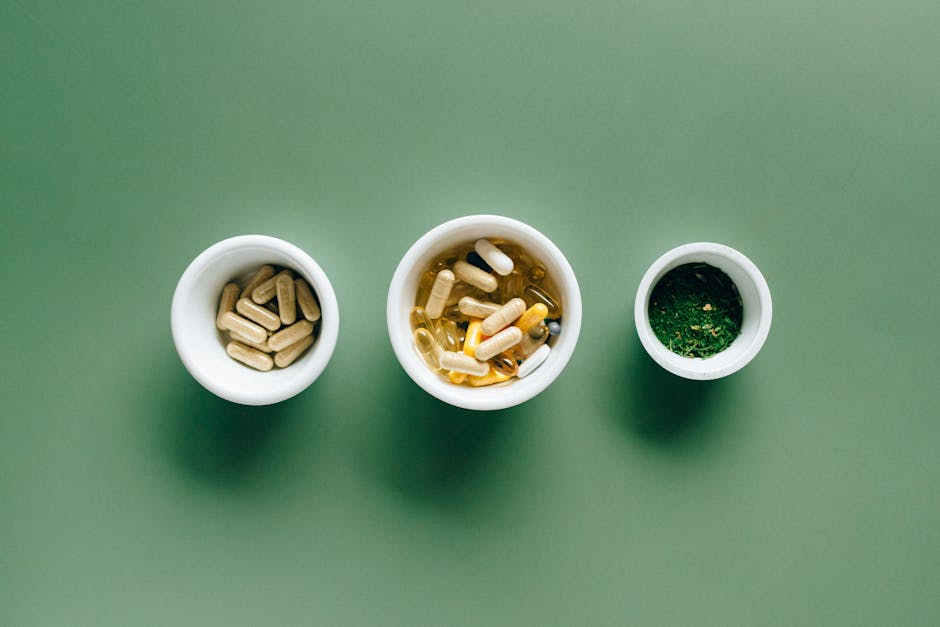
Not all supplements have equal research behind them. Here’s how the major options stack up based on published clinical data:
| Supplement | Avg. LDL Reduction | Evidence Quality | Best Form | Key Caution |
|---|---|---|---|---|
| Berberine | 15–25% | Strong (multiple RCTs) | Berberine HCl, 500mg 3x/day with meals | Interacts with metformin and some BP drugs |
| Red Yeast Rice | 15–25% | Strong | Standardized monacolin K content | Chemically identical to lovastatin; same risks |
| Plant Sterols/Stanols | 8–12% | Strong | 2g/day split across fatty meals | Timing-dependent — useless on empty stomach |
| Psyllium Husk | 5–10% | Moderate (FDA-recognized claim) | 7g/day in divided doses | Slow onset; 8+ weeks to see effect |
| Omega-3 (EPA/DHA) | LDL neutral; triglycerides –20–30% | Strong for triglycerides specifically | Triglyceride-form, 2–4g EPA+DHA daily | High-dose fish oil can raise LDL slightly |
| Coenzyme Q10 | Minimal direct LDL effect | Moderate (adjunct use only) | Ubiquinol, 100–200mg/day | Not a cholesterol treatment; reduces statin side effects |
The two top-tier options — berberine and red yeast rice — approach low-dose statin territory in their LDL impact. That’s real. But it comes with real tradeoffs, which the sections below cover in detail.
Berberine: The Option Most People Have Never Tried
Berberine is the most clinically impressive natural supplement for LDL reduction, and it remains almost completely unknown outside of functional medicine circles.
A 2015 meta-analysis in Phytomedicine pooled 11 randomized controlled trials and found berberine reduced LDL-C by an average of 25 mg/dL. A 2026 review in the Journal of the American Heart Association confirmed consistent LDL-lowering effects across multiple populations, with reductions typically in the 15–25% range depending on baseline levels and compliance.
The mechanism is different from statins. Berberine activates AMPK, which increases LDL receptor expression on liver cells — more receptors means the liver clears more LDL from circulation. It also inhibits PCSK9, the same pathway targeted by some of the most expensive cholesterol drugs currently on the market.
The practical catch: absorption is poor. Berberine has low oral bioavailability, which is why the effective dose is 500mg taken two to three times per day with meals — not once in the morning. Brands selling 1000mg once-daily capsules are essentially ignoring the pharmacokinetics. You absorb more from three 500mg doses than from one 1500mg dose.
Best options: Thorne Research Berberine-500 runs about $40 for 60 capsules and is third-party tested without unnecessary fillers. Integrative Therapeutics Berberine is a comparable alternative at a similar price point. Avoid proprietary blends where berberine appears alongside eleven other ingredients — the per-ingredient dose will be too low to accomplish anything.
One firm warning: berberine interacts meaningfully with metformin, cyclosporine, and several blood pressure medications. If you take prescription drugs, discuss this with your doctor before starting. It’s not a casual add-on for people on complex medication regimens.
Omega-3s, Plant Sterols, and Red Yeast Rice: What Each One Is Actually Doing
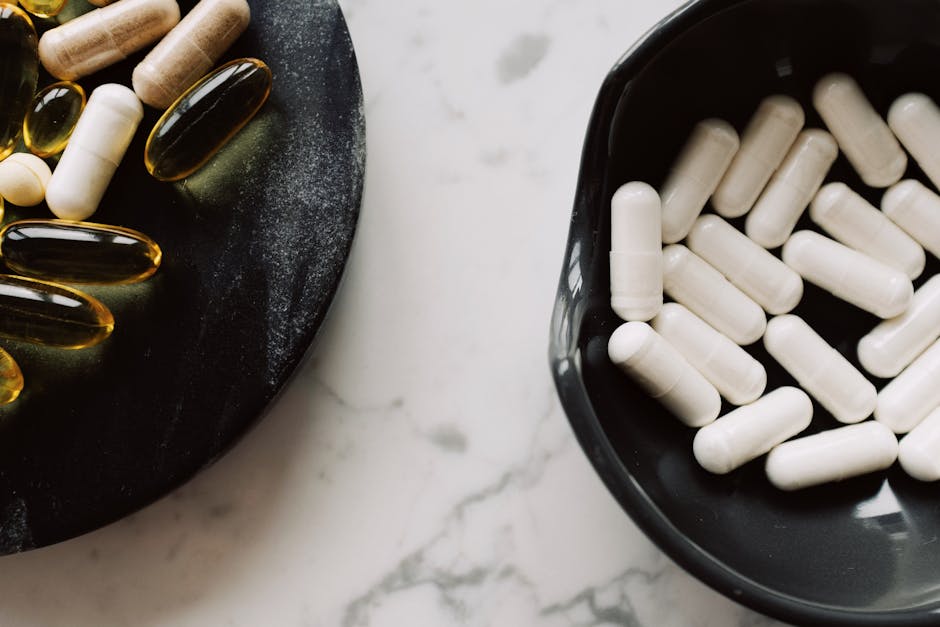
Does fish oil actually lower LDL?
No — and this surprises people consistently. Standard fish oil at 1,000mg per capsule (the typical softgel) contains roughly 300mg of combined EPA and DHA. That dose doesn’t move LDL. At higher doses, fish oil can actually raise LDL slightly in some individuals, particularly those with familial hypercholesterolemia.
What omega-3s genuinely do well is lower triglycerides. At therapeutic doses of 2–4 grams of EPA+DHA daily, the reduction is 20–30%. If your triglycerides are above 150 mg/dL alongside elevated LDL, high-dose omega-3 is worth serious attention. Nordic Naturals Ultimate Omega delivers 1,280mg of EPA+DHA per two-capsule serving — you need four to five capsules to approach therapeutic range. Carlson Very Finest Fish Oil is another triglyceride-form option. Prescription Vascepa (4g pure icosapentaenoic acid daily) has cardiovascular outcome data behind it that OTC fish oil simply does not.
Form matters. Ethyl ester omega-3s absorb worse than triglyceride-form versions. Nordic Naturals and Carlson use triglyceride form. Most store-brand softgels use ethyl ester and cost half the price for good reason.
What do plant sterols actually do?
Plant sterols and stanols block cholesterol absorption in the gut by competing with dietary cholesterol at the same uptake sites. The effect is consistent across studies: 2 grams per day with meals reduces LDL by 8–12%. Less impressive than berberine, but with an extremely clean safety profile and no known drug interactions at standard doses.
The non-negotiable: they only work when taken with fat-containing meals. Swallowing a plant sterol capsule on an empty stomach accomplishes almost nothing. Now Foods Cholesterol Pro contains 800mg of phytosterols per serving — you need two servings split across two separate meals to hit the 2g daily target. Benecol yogurt drinks (available in most grocery chains) deliver plant stanols in food form, which makes correct timing more natural for most people.
Red yeast rice: supplement or natural statin?
Both, technically. Red yeast rice contains monacolin K, which is chemically identical to lovastatin. That’s precisely why it works — and why it carries the same potential for muscle pain and liver stress as prescription statins. The FDA has sent warning letters to several brands with high monacolin K content.
Jarrow Formulas Red Yeast Rice (600mg, standardized for consistent monacolin content) is a clearer choice than unstandardized products, which are essentially random in potency. If you use red yeast rice, monitor yourself the same way you’d be monitored on a low-dose statin: periodic liver enzymes and creatine kinase testing if you develop muscle symptoms.
Where Most Buyers Waste Their Money
The most common mistake in this category isn’t buying the wrong supplement. It’s buying the wrong form of the right supplement — or an underdosed version. Here’s what to check specifically before buying:
- Omega-3: Check the EPA+DHA amount, not the total fish oil weight. A “1000mg fish oil” capsule often contains only 300mg of EPA+DHA. You need 2,000–4,000mg of EPA+DHA for triglyceride reduction — not total oil.
- Berberine: Must be berberine hydrochloride (HCl), 500mg per dose, taken 2–3 times daily with food. Single daily doses are subtherapeutic regardless of the amount on the label.
- Plant sterols: Must reach 2g total per day, split across fatty meals. Timing matters more than which brand you buy.
- Psyllium husk: 7 grams per day — roughly one tablespoon of Metamucil or equivalent psyllium powder. Generic psyllium husk from any bulk food store is chemically identical to the name-brand version and costs a fraction of the price.
- CoQ10: If you’re on a statin and experiencing muscle aches, ubiquinol (the reduced form) absorbs better than standard coenzyme Q10. Life Extension Super Ubiquinol CoQ10 at 100mg is a reasonable starting dose. This does not lower cholesterol — it manages a specific statin side effect.
Third-party testing matters more in this category than in almost any other supplement aisle. Look for NSF Certified for Sport, USP verified, or Informed Choice certification on the label. These confirm that what’s inside matches what’s printed outside. Many brands selling berberine and red yeast rice have no independent verification at all.
When Supplements Are the Wrong Answer
If your LDL is above 190 mg/dL, you have existing cardiovascular disease or a prior cardiac event, or your 10-year risk score (calculated using the Pooled Cohort Equations) is above 10%, supplements are not the right primary intervention — medication is. Trying to manage high cardiovascular risk with berberine while avoiding statins is one of the more common and genuinely dangerous patterns in this space. No supplement has cardiovascular outcome data. Several statins do.
A Realistic Starting Stack for Mildly Elevated LDL
For someone with LDL in the 130–165 mg/dL range, no prior cardiac events, and a low 10-year risk score, this is the combination worth running for 90 days before reassessing with a lipid panel:
- Berberine HCl 500mg — three times daily with meals (Thorne Research Berberine-500 is the clearest first choice)
- Plant sterols 2g/day — split across two meals that contain dietary fat
- Psyllium husk 7g/day — morning works fine, stirred into water or mixed into food
That combination addresses LDL through three independent mechanisms: AMPK and PCSK9 modulation via berberine, cholesterol absorption blocking via plant sterols, and bile acid binding via soluble fiber. In compliant patients, the combined effect can reach 25–35% LDL reduction — enough to move many borderline cases out of the intervention zone without medication.
Add omega-3s (Nordic Naturals Ultimate Omega or Carlson Very Finest Fish Oil, 2–4g EPA+DHA daily) only if your triglycerides are also elevated. If LDL is the sole concern, skip the fish oil.
Get your lipid panel at baseline and again at 90 days. If LDL hasn’t moved at least 10%, the honest answer is that diet changes — specifically reducing saturated fat and adding more soluble fiber from whole food sources — need to come before supplements, or medication needs to come next. These compounds work within the context of a diet that isn’t actively fighting them. That context isn’t optional.
Medical Disclaimer: This content is for informational purposes only and does not constitute medical advice. Always consult a qualified healthcare professional before making health-related decisions.