
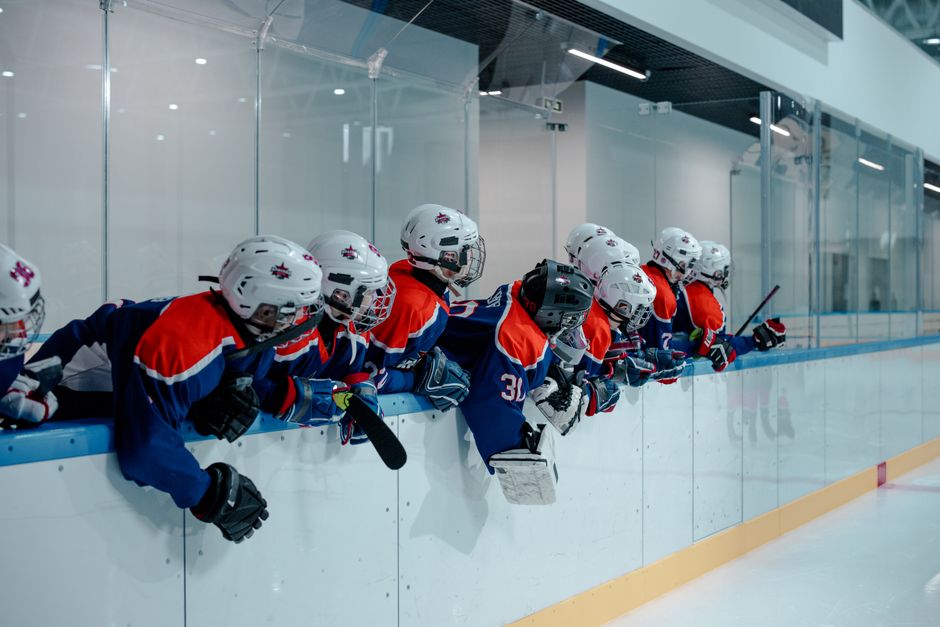
Ice skating gives families a fun way to build balance, leg strength, and confidence together. The smartest first session is not about speed or expensive equipment; it is about a secure fit, a helmet, and learning to stop before anyone feels out of control.
What beginner ice-skating gear is worth buying?
My gear verdict is simple: spend money on fit and safety before performance features. A beginner does not need elite blades, stiff boots, or a full hockey kit. Most families can start with rink rentals, warm layers, gloves, and a properly fitted helmet, then buy skates after two or three sessions show that the activity will last.
| Gear or model | 2026 reference price | Useful detail | Verdict |
|---|---|---|---|
| Rink rental skates | $8-$20 per session | Low upfront cost; fit and sharpness vary by rink | Best for the first one to three visits |
| Riedell Opal 110 | About $75-$129 in U.S. listings | Entry-level recreational figure skate | Good for casual laps and basic figure-skating lessons |
| Bauer X-LP | $119.99 senior; lower youth sizes | Fleece liner and an easy-to-balance 13-foot radius | Best for beginners who prefer a hockey-style boot |
| CCM NEXT | $59.99-$89.99 by size | 3D-injected construction and comfort ankle padding | Strong value for casual hockey-style skating |
| CCM Tacks 70 helmet | $64.99 | Dual-density liner and adjustable Easy Flip Clip | Reasonable beginner helmet when it fits correctly |
Prices change with size, color, sales, and local stock. The Bauer X-LP product page lists the senior model at $119.99, while the CCM NEXT range lists youth through senior sizes at different prices. Treat those figures as planning numbers, not a promise at checkout.
Fit beats brand name
Ice skates should hold the heel firmly without crushing the toes. Many adult and youth models fit smaller than everyday shoes, so measure the foot and use the manufacturer’s chart instead of ordering the usual sneaker size. Wear one thin athletic sock, lace from the toe upward, and check that the heel stays down when the skater bends the knees. Thick socks create pressure points and can make a loose skate feel falsely comfortable.
What not to buy first
Skip used helmets with unknown impact history, fashion skates with little ankle support, and advanced boots that feel rigid around the ankle. A cheap skate that does not hold the foot can create more frustration than a rental. For a child who may grow before the season ends, buying a slightly larger skate is not a safe solution; use a rental or a returnable model instead.
How should a beginner stand, glide, and stop?
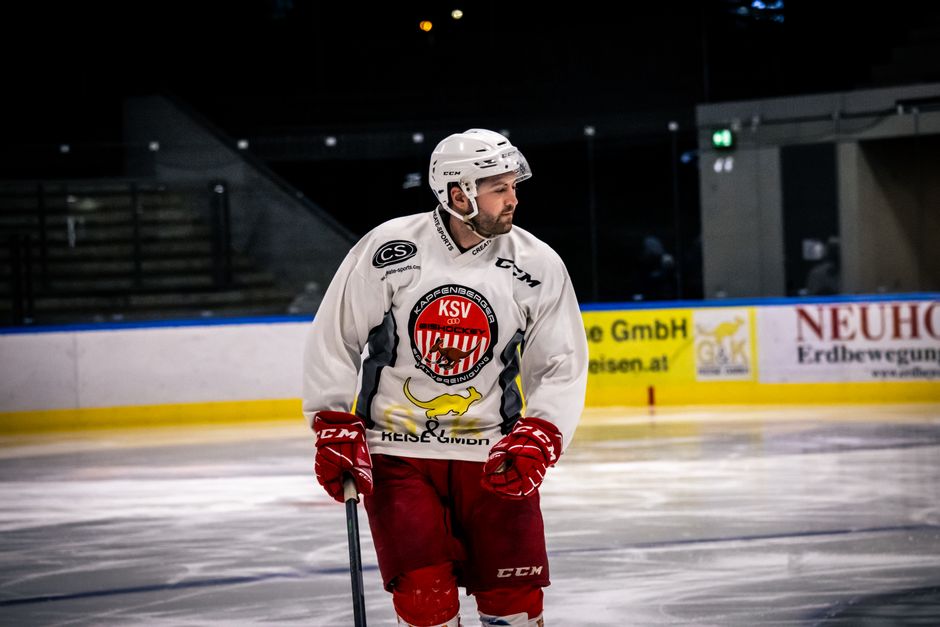
Ice skating becomes manageable when the body stays low and the movements stay small. The blade is not a rail that keeps the skater upright. Balance comes from placing the body over the middle of the blade, keeping the knees soft, and making frequent small corrections. The Learn to Skate USA curriculum uses a staged progression for children and adults because control matters before advanced skills.
First 10 minutes: build a stable base
- Warm up off the ice for five minutes with ankle circles, body-weight squats, and gentle calf raises.
- Step onto the ice near the barrier. Stand with feet about hip-width apart, knees bent, chest tall, and hands in front.
- March in place without pulling on the wall. Lift one foot only a few inches, then switch.
- Make a two-foot glide for one or two seconds. Keep the shoulders over the knees instead of leaning backward.
- Repeat the glide, then return to marching. The goal is a quiet, controlled movement rather than distance.
Next 20 minutes: glide, turn, and stop
Once a skater can glide two feet, push gently from one foot and let the other foot travel forward. Keep the push shallow. Long, hard pushes create speed before the skater has a braking plan. For a beginner snowplow stop, bend the knees, bring the heels slightly outward, turn the toes inward, and press both inside edges into the ice. The snowplow should make a soft scraping sound, not a sudden lunge.
Practice stopping every few feet. Add wide turns only after the skater can slow down on command. If balance disappears, bend lower and sit toward the side instead of reaching backward with straight arms. A short session with five controlled stops is more useful than forty minutes of nervous laps.
Should families rent skates or buy their own?
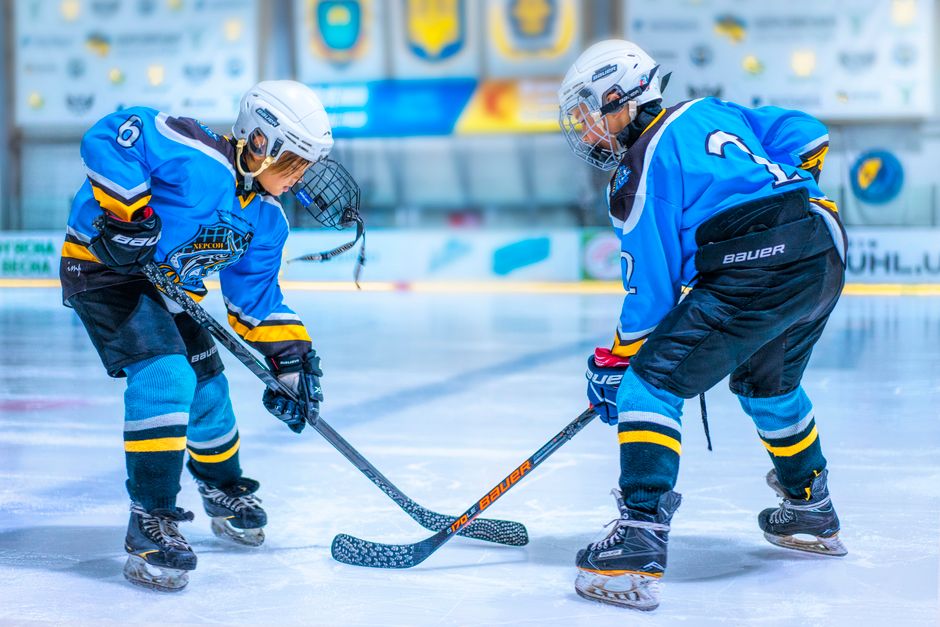
For most first-time families, rent skates for the first two sessions and buy only after everyone wants to return. Buying early makes sense when a child or adult plans weekly skating, has a hard-to-fit foot, or keeps receiving painful rental skates. Renting wins when attendance is uncertain, children are growing quickly, or the local rink includes sharpening and equipment support in its rental service.
| Family pattern | Likely first-season cost | Best choice |
|---|---|---|
| One trial visit | $8-$20 per skater | Rent everything available at the rink |
| Three to five visits | $24-$100 in rentals | Rent, then compare the total with entry-level skates |
| Weekly skating for three months | $96-$240 in rentals before lessons | Buy fitted skates and budget $10-$20 for sharpening |
| Regular lessons or hockey practice | Higher ongoing rental and lesson costs | Buy fitted skates after a shop measures the foot |
When buying wins
Buying gives the skater a known fit, familiar ankle support, and a blade that can be maintained on a schedule. It also makes sense for a family that shares a rink membership or plans a full season. Ask a skate technician to check the foot in person, especially if the skater has a wide forefoot, narrow heel, or recurring ankle pain. A properly fitted $90-$140 recreational skate is more useful than a $300 model that feels wrong.
When renting wins
Rent when the skater is still testing the activity, when a child may change size soon, or when the family only visits during holidays. Do a quick inspection before leaving the counter: check that both laces work, the blade has no deep rust, the heel is seated, and the boot does not fold sharply at the ankle. If a rental hurts after five minutes, return to the counter instead of hoping the pain will disappear.
Do beginner skaters need insurance?
Insurance verdict: a normal public skating session usually calls for careful reading of existing health, renters, or homeowners coverage, not a special skating policy. A rink waiver does not guarantee that every injury, damaged item, or liability claim disappears. It only sets terms for using that facility.
Does homeowners or renters insurance cover a rink accident?
Personal liability coverage may respond if you are legally responsible for another person’s bodily injury or property damage, but the exact wording, limits, and exclusions control the result. The National Association of Insurance Commissioners explains that homeowners policies commonly include personal liability and medical-payments sections, while renters policies can protect personal property and liability without insuring the building. Neither section should be treated as automatic coverage for every skating incident.
Which exclusions deserve attention?
Read exclusions for intentional acts, organized competition, business activity, unlicensed or prohibited conduct, and injuries involving a household member. Your health plan generally addresses your own covered medical care, subject to deductibles, copayments, network rules, and prior authorization. It does not replace liability coverage if someone claims your actions caused their injury. Keep the rink receipt, incident report, and medical records if a serious event occurs.
How should families compare insurers?
AM Best financial-strength ratings describe an insurer’s ability to meet policy obligations, not whether a specific claim will be paid. J.D. Power scores describe customer experience in a study and do not replace a policy comparison. Use both as screening information, then compare liability limits, medical-payments limits, exclusions, deductibles, and claims service. Premiums vary by state and individual factors, so get multiple quotes from licensed insurers or an independent agent. State insurance requirements and consumer protections differ, and no national rule makes every family carry special ice-skating insurance for a public rink visit.
The most important beginner rule is simple: rent or buy a correctly fitted skate, wear a properly fitted helmet, and learn to stop before chasing speed.
Medical Disclaimer: This content is for informational purposes only and does not constitute medical advice. Always consult a qualified healthcare professional before making health-related decisions.