

A 12-ounce can of soda contains about 42 grams of added sugar. A mug of unsweetened herbal tea contains none. That gap turns a winter drink into a small but useful nutrition decision, especially when one warm cup becomes two or three every day.
The best choice is not the drink with the most wellness claims. It is the drink that gives you warmth, flavor, or a useful routine without quietly adding a dessert’s worth of sugar. Here is the practical ranking.
Herbal tea, cocoa, or golden milk: the value table
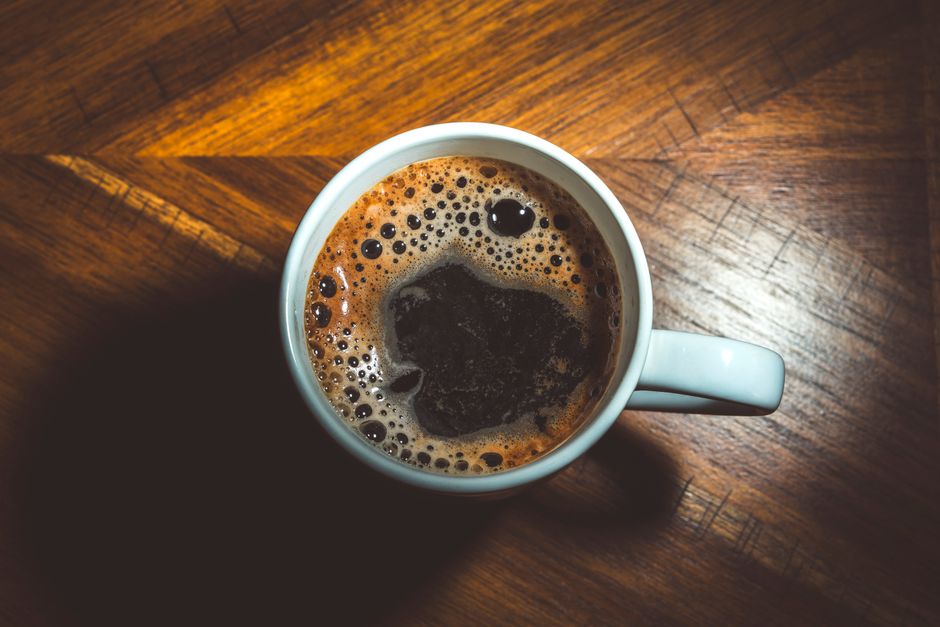
These drinks solve different problems. Herbal tea is the cheapest low-calorie option. Cocoa provides more flavor and some fiber and minerals, but it needs a sugar audit. Golden milk is the most filling and complex, yet commercial powders can cost more and may contain concentrated herbs.
| Drink | Example | Pack detail | Typical price | Approximate cost | Best use |
|---|---|---|---|---|---|
| Herbal tea | Traditional Medicinals Organic Ginger Tea | 16 bags | $7.49 | $0.47 per cup | After meals or cold evenings |
| Herbal tea | Pukka Night Time | 20 sachets | $8.99 | $0.45 per cup | Caffeine-free wind-down routine |
| Cocoa | Navitas Organics Cacao Powder | About 38 servings; 1 tablespoon is 6 grams | $14.99 | $0.39 per tablespoon | Chocolate flavor with no added sugar |
| Golden milk | Gaia Herbs Golden Milk | 4.3-ounce powder; 1 teaspoon serving | Retailer-dependent | Check servings per jar | Spiced evening drink |
How to read the price
Per-cup cost matters more than the box price. A $14.99 cacao jar can be cheaper per serving than a premium single-serve cocoa packet, while a $25 café drink habit can cost more than a full month of tea. Also count milk, sweetener, delivery, and unused ingredients. Those are the hidden fees of a homemade drink.
APR belongs to the payment method, not the tea. Paying cash means a $7.49 purchase has a $0 fee. Carrying it on a card at 24.99% APR creates a small interest cost that has nothing to do with nutrition. This is not financial advice.
Bottom Line
For daily value, buy loose ingredients or ordinary tea bags. For a richer drink, unsweetened cacao gives the best balance of taste, control, and cost.
The best herbal tea depends on the job
“Herbal tea” is a category, not a single effect. Herbal infusions are made from plants other than the tea plant Camellia sinensis, so many are naturally caffeine-free. That makes them useful at night, but it does not make every herb suitable for every person.
Best for digestion: ginger
Traditional Medicinals Organic Ginger Tea costs $7.49 for 16 bags on the brand’s site and contains organic ginger rhizome. The label directs users to steep one bag in 8 ounces of freshly boiled water for 10 to 15 minutes. It is a strong pick after a heavy meal because the flavor is sharp, warming, and not dependent on sugar.
Ginger tea is not a replacement for medical care. People with frequent nausea, severe stomach pain, reflux, or medication concerns should ask a clinician instead of treating symptoms indefinitely with tea.
Best for a bedtime routine: caffeine-free blends
Pukka Night Time comes in 20 sachets and is marketed as a caffeine-free evening blend. Its value is mainly behavioral: a consistent warm drink can mark the end of the day without adding alcohol, soda, or a sweet snack. Do not assume every “sleep” tea is mild. Read the ingredient list, especially if it contains several sedating herbs or strong laxative herbs.
- Steep covered to keep volatile aromas in the cup.
- Use lemon, cinnamon, mint, or ginger before adding honey.
- Keep honey to 1 teaspoon if the drink is already sweet enough.
- Stop drinking large mugs right before bed if nighttime bathroom trips disrupt sleep.
Verdict: Traditional Medicinals Organic Ginger Tea is the best practical pick for an after-meal cup. Choose a simple caffeine-free blend for evening, not a heavily sweetened “wellness” powder.
Cocoa wins on nutrition only when you control sugar
Unsweetened cocoa and cacao powder are not the same as a café mocha. A tablespoon of unsweetened cocoa powder weighs about 5.4 grams and provides roughly 12 calories in USDA data. Navitas Organics Cacao Powder lists 25 calories, 2 grams of fiber, 2 grams of protein, and zero added sugar per 6-gram tablespoon. Those are useful numbers, but the powder is only one part of the cup.
The cocoa math
Start with 1 tablespoon of unsweetened cocoa or cacao, 8 ounces of milk, and a small amount of sweetener. Dairy milk adds protein and calcium. Fortified soy milk usually provides a similar protein advantage. Almond and oat milks vary widely, so check the carton instead of assuming every plant milk has the same nutrition.
The problem starts when a recipe uses sweetened chocolate syrup, flavored creamer, whipped cream, and a large serving of marshmallows. Each addition can look small on its own. Together, they can turn a 50-calorie powder into a 300- to 500-calorie drink.
Make a real cup, not a dessert in disguise
- Warm 8 ounces of milk without boiling it.
- Whisk 1 tablespoon of unsweetened cocoa into 1 tablespoon of hot water to make a smooth paste.
- Add the paste to the milk with cinnamon, vanilla, or a pinch of salt.
- Taste before sweetening. Add 1 teaspoon of maple syrup or sugar only if needed.
- Use the same mug and spoon each time so the serving stays consistent.
Choose cocoa when you want chocolate flavor and enough substance to count as a snack. Do not buy an expensive “superfood” powder for a magic effect; a plain unsweetened powder often gives you the same kitchen function at a lower cost.
Verdict: Navitas Organics Cacao Powder is the strongest packaged option here because its label gives clear serving data and zero added sugar. The winner is still your recipe, not the brand name.
Seven winter drink decisions with clear winners
Use this short list when the choice feels less like nutrition and more like a daily purchasing decision.
If sleep is the priority
Pick caffeine-free herbal tea. A plain chamomile, mint, or simple evening blend beats cocoa late at night because cocoa contains naturally occurring stimulants and can become a sugary dessert.
If you need a post-workout drink
Pick milk or fortified soy milk with a small amount of cocoa. Tea has almost no protein, while a milk-based cocoa can provide a more useful recovery snack when paired with fruit or yogurt.
If you want the lowest recurring cost
Pick ginger tea or another basic herbal tea. A $7.49 box used over 16 days costs less than one café drink, and you control the sweetener.
If you are watching added sugar
Pick unsweetened tea first, then unsweetened cocoa. Avoid powdered mixes that list sugar, syrup, cane crystals, or maltodextrin near the top of the ingredient list.
If you want the most filling cup
Pick golden milk made with dairy or soy milk. The milk supplies the calories and protein; the spices supply flavor. The turmeric is not a substitute for a meal.
If your stomach is sensitive
Pick a mild tea and skip concentrated spice blends. Ginger, peppermint, turmeric, and black pepper can feel harsh for some people.
If children will drink it
Pick warm milk or weak caffeine-free tea with no supplement ingredients. Children do not need adult-style herbal blends marketed for sleep, detox, or stress.
When a healthy hot drink is the wrong choice
A warm drink can still be a poor fit. The biggest mistake is treating “natural,” “organic,” or “adaptogenic” as a safety rating. Those words describe ingredients or marketing categories, not a guarantee that the product suits your body.
Common failure modes
- Buying a large mug and using the label’s tiny serving size. Measure the powder once so you know the real amount.
- Adding honey automatically. Honey is still added sugar, even when it comes from a natural source.
- Using cocoa as a late-night sleep drink. The flavor may feel calming while the caffeine works against your sleep.
- Taking a golden milk supplement for pain, inflammation, or illness instead of seeking proper medical care.
- Ignoring allergens in flavored creamers, milk powders, and plant-milk blends.
When not to buy the premium version
Do not buy a $20 wellness blend when the same kitchen result requires turmeric, cinnamon, ginger, and milk you already own. Do not buy a sleep tea with six herbs if a basic caffeine-free tea gives you the routine you want. Do not buy individual sachets for a household that drinks several cups daily; a simple box or loose ingredient usually wins on cost.
The strongest winter routine is boring in the best way: keep one caffeine-free tea, one unsweetened cocoa, and ordinary milk or a fortified alternative available. Use the drink that fits the moment, keep added sugar visible, and treat health claims as claims that still need a label check.
Medical Disclaimer: This content is for informational purposes only and does not constitute medical advice. Always consult a qualified healthcare professional before making health-related decisions.