
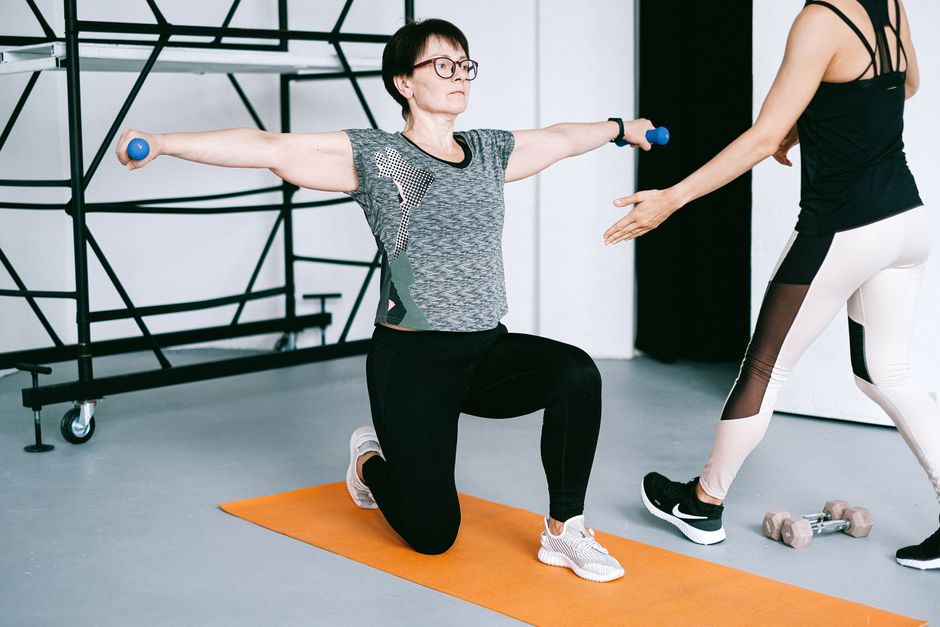
Thirty minutes is only 2.1% of your day, yet it is enough time to train every major muscle group if you stop treating a workout like a collection of random exercises. The real bottleneck is not motivation. It is poor structure: too much rest, too many movements, and no clear way to make the work harder.
This plan uses bodyweight movements first, then adds optional equipment. You will train your legs, pushing muscles, pulling muscles, hips, and core in one compact session. The verdict is simple: beginners should master repeatable movement patterns before buying a large home gym or chasing complicated programs.
How to complete the 30-minute beginner home workout
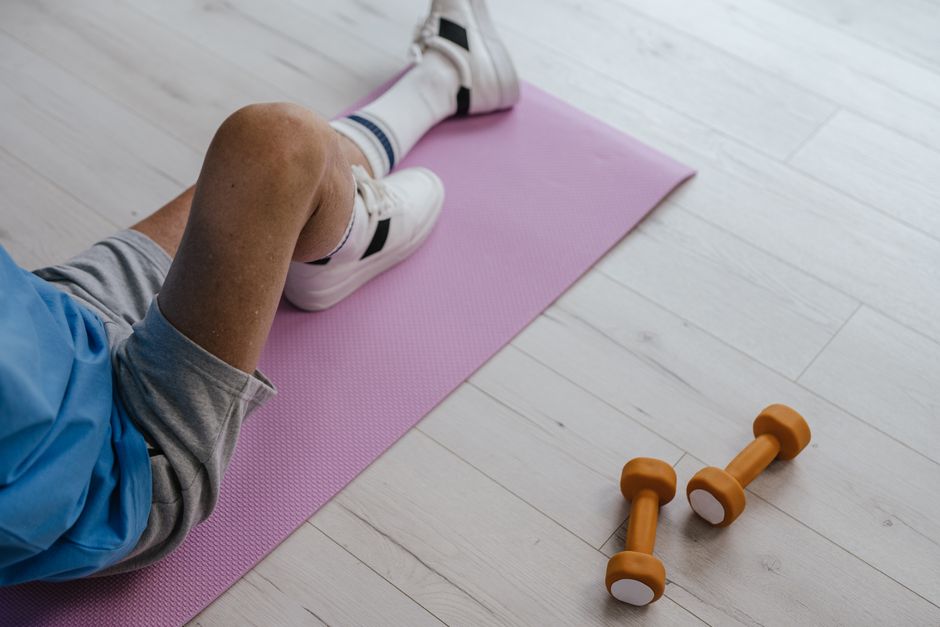
Minutes 0 to 5: prepare the joints and raise your temperature
- March in place for 60 seconds.
- Perform 10 slow bodyweight squats.
- Complete 8 hip hinges with hands on your thighs.
- Do 6 wall push-ups or incline push-ups.
- Repeat 10 alternating reverse lunges.
- Hold a plank from your knees or toes for 20 seconds.
The warm-up should feel easy. You are checking how your knees, hips, shoulders, and back feel before loading them. Sharp pain is a stop signal, not a challenge to push through.
Minutes 5 to 25: complete three rounds
- Squat to a chair: 10 repetitions.
- Incline push-up against a sturdy counter: 8 to 12 repetitions.
- Reverse lunge: 8 repetitions per side.
- Backpack row: 10 repetitions per side, or perform a slow prone Y-raise without weight.
- Glute bridge: 12 repetitions.
- Dead bug: 6 repetitions per side.
Move from one exercise to the next with enough control to keep your ribs stacked over your pelvis. Rest 60 seconds after each round. If the full list takes longer than 20 minutes, use two rounds for your first week. The correct starting point is the one you can repeat next week.
Minutes 25 to 30: finish with useful recovery
Walk slowly for two minutes, then breathe through your nose if comfortable. Finish with 30 seconds per side of a gentle hip-flexor stretch and 30 seconds of a chest-opening stretch. Write down the number of repetitions, the hardest movement, and any pain. This record matters more than a calorie estimate because it tells you exactly what to improve.
Which exercises should beginners modify first?
What if regular push-ups are too hard?
Raise your hands. A kitchen counter, sturdy table, or wall changes the angle and reduces the load. Keep your body in one straight line, lower your chest toward the surface, and stop when your shoulders begin to shrug. When you can complete three sets of 12 clean incline repetitions, use a lower surface.
Clear recommendation: use an incline push-up rather than dropping to the floor and losing control. The easier version creates better practice and lets you build the pressing strength needed for a floor push-up.
What if lunges hurt your knees?
Shorten the range and hold the back of a chair. Step backward instead of forward, keep your front heel planted, and let the front knee track in the same direction as your toes. If discomfort remains, replace the lunge with a chair squat or a low step-up. Persistent pain, swelling, numbness, or pain after training deserves assessment from a qualified clinician.
What if the workout feels too easy?
Do not add random exercises. First slow the lowering phase to three seconds, pause briefly at the hardest position, or add two repetitions per set. Once you reach the top of the repetition range with steady form, add a small amount of load. This sequence gives you a clear progression and reduces the chance of turning a beginner workout into a sloppy endurance circuit.
Bodyweight versus home equipment: what actually changes?
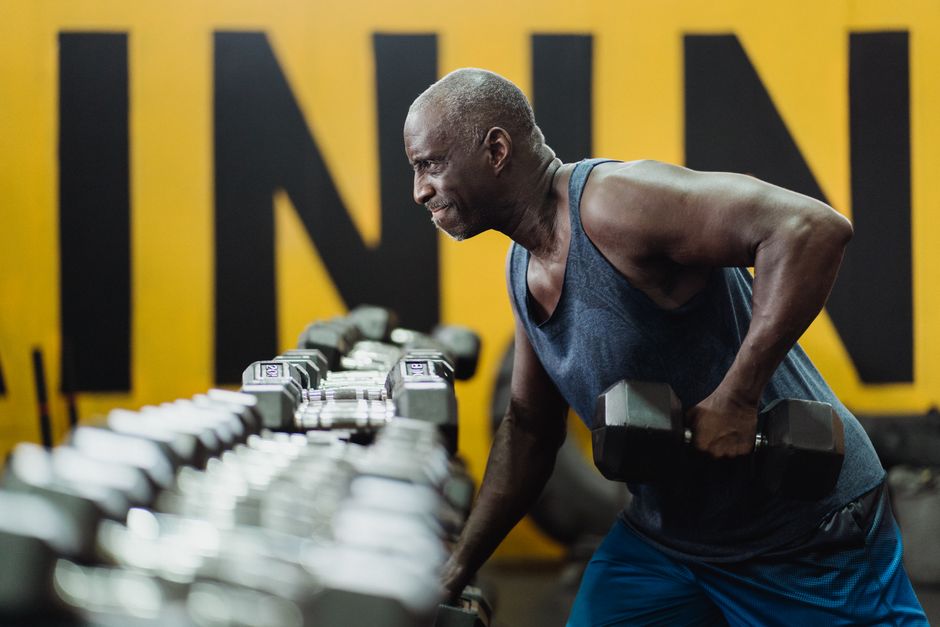
The table below compares common choices using reference prices and real specifications available in 2026. Prices can change with sales, delivery, and location. The workout itself does not require any of them.
| Option | Reference cost | Useful specification | Best use |
|---|---|---|---|
| Bodyweight | $0 | Adjustable through angle, tempo, range, and repetitions | First two to four weeks of practice |
| CAP Strength Adjustable Cast Iron Dumbbell Set | $49.99 | 40 lb total; four 5 lb plates, four 2.5 lb plates, two handles, four collars | Low-cost loading for squats, rows, and carries |
| TRX HOME2 System | $229.95 list price | Suspension trainer using body angle to change resistance | Rows, assisted squats, presses, and travel |
| Bowflex SelectTech 552 dumbbells | Price varies | Adjustable from 5 to 52.5 lb per dumbbell; 15 weight settings | Progressive loading in a small footprint |
Bottom line: bodyweight is the best starting choice because it removes purchase risk. The CAP set is the best budget upgrade when you need adjustable load. The TRX HOME2 earns its higher price only if you value pulling exercises and portability. Bowflex is the convenience pick for a committed trainee who can justify the larger upfront cost.
How to progress without making the workout longer
Use a four-step progression ladder
Keep the 30-minute time limit and change only one training variable at a time. Start with the easiest version that lets you control every repetition. Then use this order:
- Add one or two repetitions while staying inside the target range.
- Add a third round or an extra set only when recovery remains good.
- Slow the lowering phase to three seconds or add a one-second pause.
- Add external load in small jumps, usually 2.5 to 5 pounds total.
This approach prevents a common mistake: making every workout harder at once. Beginners often add weight, volume, speed, and new exercises during the same week. That makes it impossible to identify the cause of soreness or stalled progress.
Track performance, not punishment
Write down the exercise, repetitions, load, and a simple effort score from one to 10. Most working sets should feel like a seven or eight, meaning you could complete two or three more clean repetitions. If every set feels like a 10, reduce the load or stop one set earlier. Training failure is not a requirement for improvement.
Keep at least one rest day between strength sessions. Sleep, food, and normal walking affect performance. If your numbers fall for two workouts in a row, repeat the previous week instead of adding more work. The best program is the one that produces a small improvement while leaving you able to train again.
What should you buy, and what should you skip?
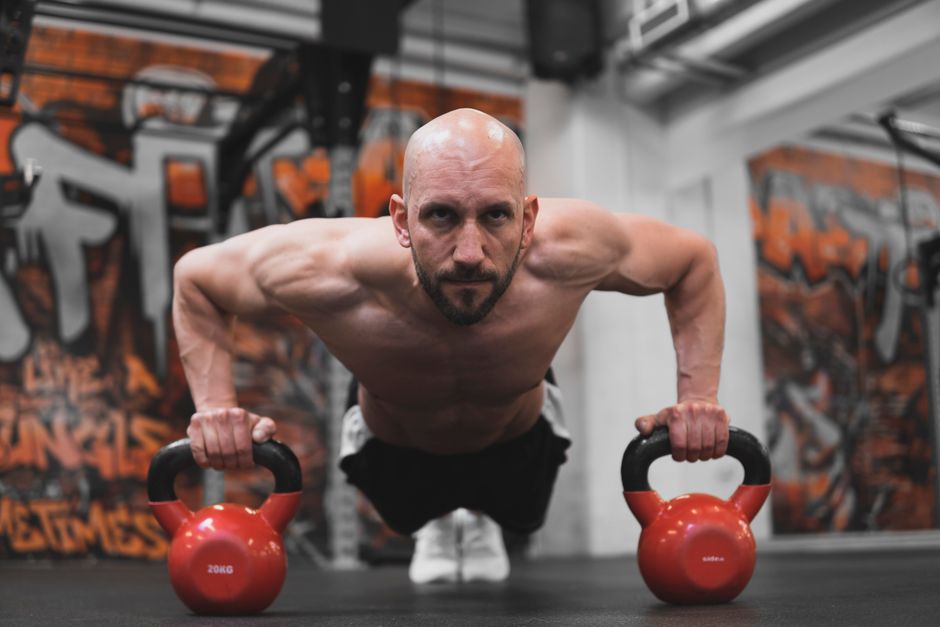
When a $50 dumbbell set makes sense
Buy an adjustable set when your bodyweight version has become too easy and you want a simple way to load rows, goblet squats, Romanian deadlifts, and carries. The CAP 40 lb cast-iron set is the practical value pick because it offers several weight combinations without taking much storage space. Its spin-lock design is slower to change than a dial, but that is a minor issue during a 30-minute session.
When not to buy an expensive adjustable system
Skip the Bowflex SelectTech 552 if you are still learning the basic movements, training once a week, or unsure if home strength training will last beyond a month. A $429.99-style purchase can create pressure to use the equipment just to justify the cost. Start with bodyweight or a low-cost set, then upgrade after six consistent weeks.
Financing does not make a weak purchase stronger. If you carry a balance, a promotional offer might range from 0% APR for a limited period to roughly 29.99% APR, with late fees often ranging from $0 to $39 depending on the lender. Pay in full when possible and read the terms before accepting a payment plan. This is not financial advice.
Buyer verdict: spend $0 first, choose the CAP set for the lowest sensible upgrade, and reserve premium equipment for a routine you already follow.
What is the best beginner home strength workout plan?
The best plan is three sessions per week, three controlled rounds, and no equipment for the first two weeks. Use chair squats, incline push-ups, reverse lunges, backpack rows, glute bridges, and dead bugs; complete 8 to 12 repetitions where appropriate, rest about 60 seconds between rounds, and record your results. After six consistent weeks, buy the CAP Strength 40 lb adjustable dumbbell set if you need more resistance, choose the TRX HOME2 System if pulling and portability matter most, or consider Bowflex SelectTech 552 dumbbells only if convenience justifies the larger cost. The practical win is not finishing exhausted; it is finishing the session with enough control and recovery to repeat it two days later. Start at the easiest version, add repetitions before load, and make one change at a time. That is the most reliable route from a beginner home strength workout to a stronger body without wasting money or time.
Medical Disclaimer: This content is for informational purposes only and does not constitute medical advice. Always consult a qualified healthcare professional before making health-related decisions.
 Sam Parsons