

Many people starting a weight loss journey believe it’s simply a matter of willpower and enduring extreme restriction. They might cut out entire food groups, embark on grueling daily workouts, or attempt a juice cleanse, convinced that suffering is the key to shedding pounds. This often leads to a cycle of deprivation, temporary weight loss, and eventual rebound, leaving them frustrated and feeling like a failure. The truth is, sustainable weight loss isn’t about short-term punishment; it’s about understanding your body and making informed, consistent changes.
Forget the notion that you just need to starve yourself thin. That approach rarely works long-term. Real success comes from adopting strategies that respect your biology and fit into your life, not against it. We’ll explore the underlying principles and practical steps that actually move the needle, focusing on what genuinely supports your body and mind in the pursuit of lasting health.
The Calorie Deficit Misconception: More Than Just ‘Eat Less’
The core principle of weight loss remains a calorie deficit: consuming fewer calories than your body burns. This isn’t up for debate. However, the misconception lies in how people approach this deficit. Many think it means eating as little as possible, leading to drastic cuts that are unsustainable and detrimental. A calorie deficit isn’t about starvation; it’s about strategic reduction while ensuring adequate nutrition. A sustainable deficit typically falls between 300 to 500 calories below your maintenance level. This allows for steady, healthy weight loss of about one to two pounds per week, without triggering extreme hunger or nutrient deficiencies.
When you cut too many calories, your body perceives it as a famine. It responds by slowing down your metabolism to conserve energy, making further weight loss harder. You also risk losing valuable muscle mass, which is metabolically active and helps burn calories even at rest. The goal is to create a deficit that encourages fat loss, not muscle loss, and keeps your energy levels stable.
Understanding Your Basal Metabolic Rate (BMR)
Your Basal Metabolic Rate (BMR) is the number of calories your body burns at rest, just to maintain basic functions like breathing, circulation, and cell production. It’s the foundational number for figuring out your calorie needs. Online calculators can give you an estimate, often using formulas like the Mifflin-St Jeor equation. For example, a 35-year-old woman weighing 160 pounds and 5’5″ might have a BMR around 1,400 calories. Adding activity to this gives you your Total Daily Energy Expenditure (TDEE). Knowing your BMR helps you set a realistic, rather than an arbitrary, calorie target. Without this baseline, you’re guessing.
The Role of Macronutrients in Calorie Balance
While total calories are king, the source of those calories matters significantly for satiety, muscle preservation, and overall health. Proteins, carbohydrates, and fats—the macronutrients—each play distinct roles. Protein, for instance, has a higher thermic effect (meaning your body burns more calories digesting it) and is crucial for muscle repair and growth. Adequate protein intake helps you feel full longer, reducing the likelihood of overeating. Carbs provide energy, and healthy fats are essential for hormone production and nutrient absorption. Balancing these ensures you’re not just restricting calories but also nourishing your body effectively.
Why Extreme Restriction Backfires
Extreme calorie restriction often leads to a cascade of negative effects. Beyond the metabolic slowdown, it can cause fatigue, irritability, nutrient deficiencies, and intense cravings. Mentally, it creates an unhealthy relationship with food, turning eating into a source of anxiety rather than nourishment. This is the exact opposite of what a sustainable weight loss plan should achieve. The body eventually fights back, often resulting in binge eating episodes that negate any progress made, ultimately leading to the “yoyo” effect many experience.
Prioritizing Protein for Satiety and Muscle Preservation

If you’re serious about weight loss, make protein your best friend. This isn’t just a suggestion; it’s a fundamental pillar of any effective strategy. Protein is far more satiating than carbohydrates or fats, meaning it keeps you feeling full for longer periods. This naturally reduces your overall calorie intake without you feeling deprived. Beyond appetite control, protein is critical for preserving lean muscle mass during a calorie deficit. When you eat fewer calories than you burn, your body can break down muscle for energy, not just fat. Adequate protein intake signals to your body to hold onto that muscle, ensuring that the weight you lose is primarily fat. Think of it as protecting your metabolism, because muscle is more metabolically active than fat.
Most people underestimate their protein needs, especially when trying to lose weight. They might focus heavily on salads or fruit, missing out on the power of a protein-rich meal. A grilled chicken breast, a serving of lentils, or a scoop of whey protein powder isn’t just fuel; it’s a strategic weapon in your weight loss arsenal. It stabilizes blood sugar, prevents energy crashes, and provides the building blocks for every cell in your body. Don’t view protein as just for bodybuilders; it’s for anyone seeking a healthier, leaner physique.
Optimal Protein Intake for Weight Loss
For effective weight loss and muscle preservation, aim for a daily protein intake of approximately 0.7 to 1 gram per pound of your target body weight. So, if your target weight is 150 pounds, you’d be looking at 105 to 150 grams of protein per day. Spreading this intake throughout the day, across three to four meals, is more effective than trying to consume it all in one sitting. For example, a breakfast with eggs and Greek yogurt, a lunch with lean meat and beans, and a dinner with fish or tofu helps meet these targets consistently.
High-Protein Food Sources
Incorporating a variety of high-protein foods is key to hitting your daily targets and enjoying your meals. Excellent animal-based sources include lean meats like chicken breast, turkey, beef, and pork loin, as well as fish like salmon and cod. Eggs and dairy products such as Greek yogurt, cottage cheese, and milk are also fantastic. For plant-based options, consider lentils, chickpeas, black beans, edamame, tofu, tempeh, and quinoa. Protein powders (whey, casein, or plant-based like pea or soy) can also be a convenient supplement, especially post-workout or for quick shakes.
The Thermic Effect of Food (TEF) Explained
The thermic effect of food (TEF) refers to the energy your body expends to digest, absorb, and metabolize the nutrients from your food. Protein has the highest TEF among the macronutrients, meaning your body burns more calories processing protein than it does fats or carbohydrates. Approximately 20-30% of the calories from protein are used during digestion, compared to 5-10% for carbohydrates and 0-3% for fats. This makes protein an efficient choice for weight loss, as it contributes to a higher overall calorie expenditure even before you factor in its satiety benefits.
The Overlooked Power of Sleep and Stress Management
Most weight loss conversations focus heavily on diet and exercise, and rightly so. However, ignoring the critical roles of sleep and stress is a major oversight that can sabotage even the most diligent efforts. Think of sleep and stress as the silent partners in your metabolic health. When these two factors are out of balance, your body’s hormonal systems go haywire, directly impacting your appetite, fat storage, and energy levels. It’s not just about feeling tired or grumpy; it’s about fundamental biological processes that dictate whether you burn fat or store it.
Poor sleep, for instance, doesn’t just make you crave sugary foods; it actively shifts your hormone profile to favor fat accumulation. Similarly, chronic stress keeps your body in a constant state of alert, releasing hormones that encourage belly fat storage and make it incredibly difficult to shed pounds, regardless of how clean your diet is. Addressing sleep and stress isn’t a luxury; it’s a foundational component of any successful weight loss strategy. Neglect them, and you’ll be swimming upstream against powerful physiological currents.
How Sleep Influences Hunger Hormones
Lack of sleep wreaks havoc on two key hunger-regulating hormones: ghrelin and leptin. Ghrelin, often called the “hunger hormone,” increases when you’re sleep-deprived, making you feel hungrier. Leptin, the “satiety hormone,” decreases, meaning your body doesn’t get the signal that you’re full, leading to overeating. Studies show that even a single night of poor sleep can significantly alter these hormone levels, pushing you towards higher calorie intake the next day, often from less healthy, carb-heavy choices. Aim for 7-9 hours of quality sleep per night to keep these hormones in check.
Practical Strategies for Better Sleep Hygiene
Improving sleep hygiene involves creating an environment and routine conducive to restful sleep. Start by establishing a consistent sleep schedule, going to bed and waking up at the same time every day, even on weekends. Ensure your bedroom is dark, quiet, and cool. Avoid screens (phones, tablets, TVs) for at least an hour before bed, as the blue light can disrupt melatonin production. Limit caffeine and alcohol intake, especially in the evening. Incorporate a relaxing bedtime routine, such as reading, taking a warm bath, or light stretching, to signal to your body that it’s time to wind down.
Managing Cortisol: Stress Reduction Techniques
Chronic stress triggers the release of cortisol, often called the “stress hormone.” Elevated cortisol levels can lead to increased appetite, cravings for comfort foods, and a tendency to store fat around the abdominal area. Effective stress management is crucial for weight loss. Techniques like mindfulness meditation, deep breathing exercises, and yoga can significantly lower cortisol levels. Spending time in nature, engaging in hobbies, or even just scheduling regular downtime can also be powerful stress reducers. Identify your personal stressors and find healthy coping mechanisms that work for you.
Comparing Popular Diet Approaches: A Quick Glance

The world of diet approaches is vast and often confusing, with new trends emerging constantly. While the core principle of a calorie deficit remains, different methods can help individuals achieve that deficit based on their preferences, lifestyles, and metabolic responses. There’s no single “best” diet for everyone, but understanding the trade-offs and mechanisms of popular approaches can help you find a sustainable path. The key is to choose an approach that you can stick with long-term, not just for a few weeks.
Below is a brief comparison of some commonly discussed dietary strategies, highlighting their general focus and potential benefits or drawbacks. Remember, these are simplified overviews, and individual results can vary greatly based on adherence and specific physiological factors. Always consider your health conditions and consult with a professional before making drastic dietary changes.
| Diet Approach | Primary Focus | Potential Benefit | Potential Drawback |
|---|---|---|---|
| Intermittent Fasting (IF) | Eating within specific time windows (e.g., 8 hours) and fasting for the rest. | Simplifies meal planning, may improve insulin sensitivity. | Can be difficult initially, not suitable for everyone (e.g., pregnant women, those with certain medical conditions). |
| Low-Carb/Keto | Severely restricting carbohydrate intake, emphasizing fats and protein. | Strong appetite suppression, rapid initial weight loss, metabolic shift to fat burning. | Can be restrictive, potential for “keto flu,” long-term adherence challenges for some. |
| Low-Fat Diet | Restricting dietary fat, emphasizing lean protein and complex carbohydrates. | Often lower in calories, can be heart-healthy with right food choices. | Can be less satiating if protein is low, some essential fats might be missed. |
| Plant-Based/Vegan | Excluding all animal products, focusing on fruits, vegetables, grains, legumes, nuts. | High in fiber, nutrient-dense, potentially lower calorie density. | Requires careful planning to ensure adequate protein, B12, iron, and other nutrients. |
| Mediterranean Diet | Emphasis on whole grains, fruits, vegetables, healthy fats (olive oil), fish, moderate dairy/poultry. | Well-researched for heart health, highly sustainable, balanced, focuses on whole foods. | Less structured than other diets, which some people find challenging if they need strict guidelines. |
Intermittent Fasting (IF)
Intermittent Fasting isn’t a diet in the traditional sense, but rather an eating pattern. It cycles between periods of eating and fasting. Popular methods include the 16/8 method (fasting for 16 hours, eating within an 8-hour window) or the 5:2 method (eating normally for five days, restricting calories significantly on two non-consecutive days). The primary mechanism for weight loss is naturally reducing overall calorie intake by shortening the eating window. It can also improve insulin sensitivity, which is beneficial for fat loss.
Low-Carb vs. Low-Fat
The debate between low-carb and low-fat has raged for decades. A low-carb diet typically involves significantly reducing carbohydrate intake (e.g., to under 50-100g per day, or even lower for ketogenic diets), forcing the body to burn fat for fuel. This often leads to strong appetite suppression. A low-fat diet, on the other hand, restricts dietary fats, which are calorie-dense, while emphasizing lean proteins and complex carbohydrates. Both can be effective for weight loss, provided they create a calorie deficit. The choice often comes down to individual preference and how one’s body responds to different macronutrient ratios.
Plant-Based Eating
Plant-based eating, particularly a vegan diet, involves excluding all animal products. This approach typically emphasizes whole, unprocessed foods like fruits, vegetables, legumes, whole grains, nuts, and seeds. It is often very high in fiber and nutrient-dense, which can naturally lead to lower calorie intake and improved gut health. However, careful planning is essential to ensure adequate intake of nutrients like protein, vitamin B12, iron, calcium, and omega-3 fatty acids, which are more readily available in animal products.
The Role of Movement: Beyond Just ‘Cardio’
When people think about exercise for weight loss, their minds often jump straight to hours on the treadmill or elliptical. While cardiovascular exercise (cardio) certainly burns calories and is vital for heart health, it’s a common mistake to think it’s the only, or even the most effective, form of movement for long-term weight management. True success in reshaping your body and boosting your metabolism comes from a more holistic approach to physical activity. You need to look beyond just burning calories during a workout. The real magic happens when you build muscle and integrate more movement into your entire day, not just your gym time.
Resistance training, in particular, often gets overlooked by those solely focused on weight loss scales. Yet, it’s an indispensable tool for changing body composition. It’s not just about looking “toned”; it’s about building metabolically active tissue that burns more calories even when you’re resting. Coupled with increasing your overall daily movement, you create a powerful synergy that optimizes your body for fat loss and long-term health. Don’t limit your view of exercise to just sweating it out; think about movement as a spectrum of activities that strengthen, energize, and transform your body from the inside out.
- Resistance Training for Body Composition: Incorporate strength training 2-3 times per week. This could involve lifting weights, using resistance bands, or bodyweight exercises (e.g., squats, push-ups, lunges). Muscle mass is more metabolically active than fat, meaning it burns more calories at rest. Building muscle increases your Basal Metabolic Rate (BMR), making it easier to maintain a calorie deficit and lose fat. Focus on compound movements that work multiple muscle groups simultaneously for efficiency.
- Non-Exercise Activity Thermogenesis (NEAT): This refers to the calories burned from all the movement you do outside of structured exercise, such as walking, standing, fidgeting, and even cooking. Increasing your NEAT can significantly boost your daily calorie expenditure. Small changes add up: take the stairs instead of the elevator, park further away, stand while talking on the phone, or take short walking breaks throughout your workday. Aim for a step count goal, like 8,000-10,000 steps daily.
- Finding Sustainable Physical Activity: The best exercise is the one you actually enjoy and can stick with consistently. If you hate running, don’t force yourself onto a treadmill. Explore different activities like dancing, hiking, cycling, swimming, team sports, or martial arts. The goal is to find movement that feels good and energizes you, rather than feeling like a chore. Consistency trumps intensity when it comes to long-term results. Even 30 minutes of moderate activity most days of the week is more effective than sporadic, intense workouts followed by long breaks.
Mindful Eating: A Crucial Skill, Not a Fad
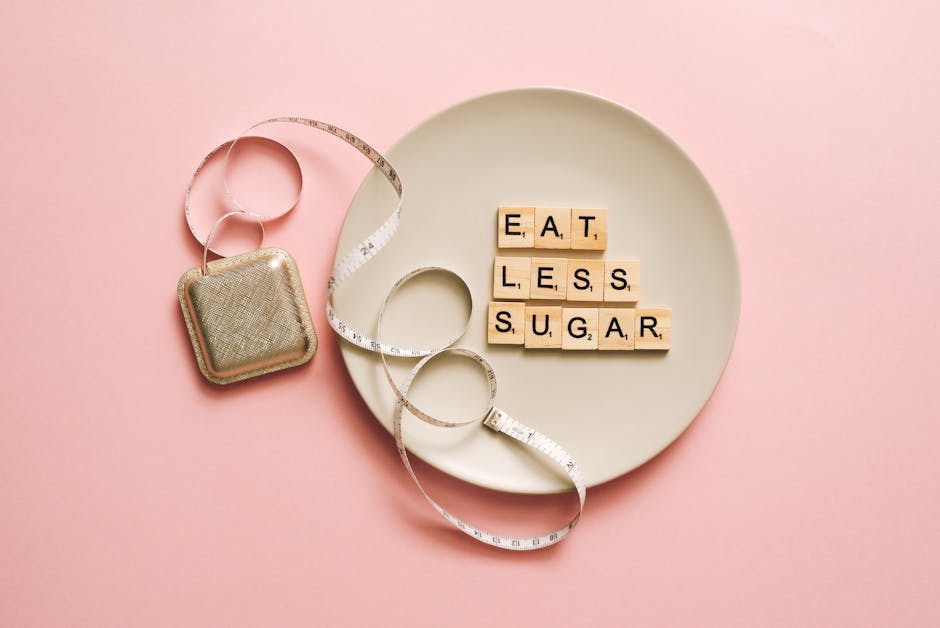
In a world of constant distractions and hurried meals, mindful eating often sounds like another trendy diet concept. It’s not. Mindful eating is a powerful, evidence-based approach to food that transcends restrictive diets and calorie counting. It’s about bringing awareness, intention, and non-judgment to your eating experiences. This practice helps you reconnect with your body’s natural hunger and fullness cues, which are often overridden by external factors like stress, emotions, and societal pressures. It’s a skill that can fundamentally change your relationship with food, leading to more conscious choices and sustainable weight management without the typical diet mentality.
Instead of focusing on what you can’t eat, mindful eating shifts your attention to how you eat. It encourages you to slow down, savor flavors, notice textures, and truly engage with your meals. This deeper connection allows you to recognize when you’re truly hungry and, crucially, when you’re satisfied, preventing overeating. It’s an internal compass for your dietary decisions, empowering you to make choices that serve your well-being, rather than being dictated by external rules or emotional impulses. This isn’t about perfection; it’s about practice and cultivating a more intuitive, balanced approach to nourishment.
What exactly is mindful eating?
Mindful eating is the practice of paying full attention to the experience of eating and drinking, both internally and externally. Internally, it involves noticing your physical hunger and fullness cues, as well as your thoughts, feelings, and bodily sensations related to food. Externally, it means observing the colors, smells, textures, and tastes of your food. It’s about being present and engaged with your meal, rather than eating on autopilot while distracted by screens or stress. It’s a non-judgmental approach, meaning you observe your eating patterns without labeling them as “good” or “bad.”
How can I practice mindful eating effectively?
To practice mindful eating, start with small, deliberate steps. Begin by setting aside specific meal times where you can eat without distractions (turn off the TV, put away your phone). Before you even take a bite, take a moment to observe your food – its colors, smells, and textures. When you eat, chew slowly and thoroughly, paying attention to the flavors as they unfold in your mouth. Pause between bites. Check in with your body periodically: are you still hungry? Are you starting to feel satisfied? Stop eating when you feel comfortably full, not stuffed. Listen to your body’s signals, not just the amount on your plate.
What are the long-term benefits?
The long-term benefits of mindful eating extend beyond just weight management. By reconnecting with your body’s internal wisdom, you can develop a healthier, more intuitive relationship with food, reducing emotional eating and cravings. It can lead to better digestion, increased enjoyment of meals, and greater satisfaction from smaller portions. Over time, this practice can help stabilize weight, improve body image, and cultivate a deeper sense of self-care and well-being, making it a sustainable strategy for overall health rather than just a temporary fix.
Why Consistency Trumps Perfection
When it comes to weight loss, the relentless pursuit of perfection is often the biggest saboteur. People chase flawless diets and intense workout regimes, only to burn out and give up entirely when they inevitably slip up. The truth is, progress, not perfection, is the goal. Your body responds far better to consistent, albeit imperfect, effort over time than to short bursts of extreme discipline followed by long periods of inactivity or overeating. Aim for 80% consistency, and you’ll find that the cumulative effect of small, sustained actions far outweighs the fleeting impact of a perfectly executed, but ultimately unsustainable, week or two.
Forget the all-or-nothing mindset. A missed workout or an extra slice of pizza won’t derail your entire journey. What matters is getting back on track at the next opportunity, without guilt or self-punishment. The power of small, repeatable habits applied over months and years is truly transformative, creating a flywheel of positive change. This is the difference between temporary weight loss and lasting lifestyle evolution.