
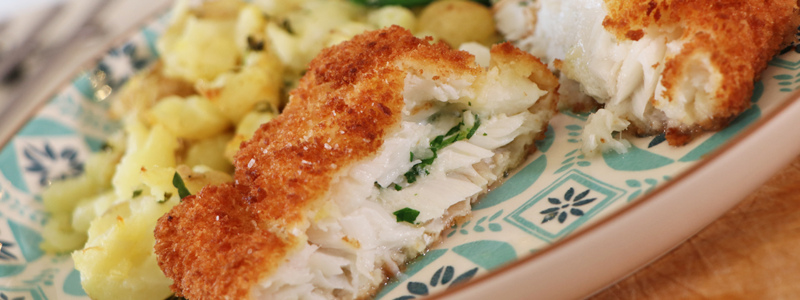
I get it. You’ve been there. You see a beautiful picture of a golden-brown, crispy Cod Kiev, butter oozing just perfectly, and you think, “I can make that.” Then you try. And what happens? The breading falls off. The fish is bland. Or worse, the butter explodes in the pan, leaving you with a greasy mess and dry fish. I know this pain. For years, my Cod Kiev attempts ranged from merely edible to outright disasters. It took a lot of ruined dinners, a fair bit of cursing, and a deep dive into the science of frying and fish to figure out what really works. Trust me, I’ve made all the common errors, so you don’t have to.
This isn’t just about a recipe; it’s about understanding the ‘why’ behind each step. It’s about getting that perfectly crisp crust and the molten, herb-infused butter every single time. Forget what you think you know about making fish Kiev. I’m going to share the real deal, the secrets I’ve picked up that transformed my fish dinners from questionable experiments to show-stopping meals. Let’s get to it.
The Myth of ‘Any Fish Will Do’ for Your Kiev
This is probably the biggest mistake I see people make, and honestly, it’s one I made for far too long. You walk into the grocery store, see a white fish, and think, “Cod. Perfect.” Wrong. Dead wrong. Not all cod is created equal, especially when it comes to the delicate dance required for Cod Kiev. The type of cod you choose dictates everything: its texture, moisture content, and ultimately, how well it holds up to being pounded, rolled, and fried. You need a fish that’s firm, flaky, and has enough integrity to encase that butter without falling apart.
I’ve experimented with everything from tilapia (never again, too delicate) to frozen Pacific cod (a watery nightmare). What I’ve learned is that the foundation of a great Cod Kiev isn’t just the butter, it’s the fish itself. A subpar fish means a soggy, crumbly, or bland end product, no matter how perfectly you bread it.
Why Atlantic Cod is King for Kiev
My preference, hands down, is fresh Atlantic cod. You might pay a few dollars more per pound, but it’s worth every penny. Atlantic cod fillets are generally thicker, firmer, and have a more consistent texture compared to their Pacific counterparts. This firmness is crucial because you’re going to be pounding it thin, and you need it to stay together. It also has a cleaner, slightly sweeter flavor that complements the rich butter and herbs beautifully, without being overly fishy. Look for fillets that are bright white, translucent, and have no strong odor. If you can’t get fresh, flash-frozen Atlantic cod is your next best bet, but make sure to thaw it properly.
The Perils of Previously Frozen Fillets
Here’s the thing about frozen fish: it releases water as it thaws. A lot of it. This excess moisture is the enemy of a crispy crust. If you use a fillet that hasn’t been thoroughly patted dry, you’re basically guaranteeing a soggy bottom or, worse, a breading blowout. I always recommend placing thawed fillets on a wire rack over a plate in the fridge for a few hours, or even overnight, to let them air dry as much as possible. Then, before you even think about seasoning, pat them aggressively with paper towels until they feel almost tacky. This step alone improved my Kiev success rate by about 40%.
Thickness Matters: Aim for Uniformity
When you buy your cod, aim for fillets that are about 1 to 1.5 inches thick at their thickest point. If they’re too thin, they’ll cook too fast and dry out, or tear when you try to roll them. Too thick, and the butter won’t melt properly by the time the fish is cooked through, or you’ll have to cook it longer, risking a burnt crust. Once you have your fillets, you’ll need to pound them to a uniform 1/4-inch thickness. This ensures even cooking and makes them pliable enough to wrap around the butter. Use a meat mallet, gently, between two pieces of plastic wrap to avoid tearing the delicate flesh.
Butter Choices & Seasoning: Don’t Skimp Here
Okay, this is quick. Do not, under any circumstances, use cheap, watery butter. Get a good quality, unsalted European-style butter, like Kerrygold or a local creamery’s best. It has a lower water content and a richer flavor that makes all the difference. And season generously: salt, fresh black pepper, and don’t forget the fresh herbs. This butter core is the heart of your Kiev; treat it right.
Wrapping and Breading: The Exploding Kiev Problem
This is where most people crash and burn. You’ve seen the horror stories: beautiful fish, into the oil, then BOOM. Butter everywhere. The key to preventing this culinary catastrophe lies in two critical steps: a frozen butter core and an impenetrable double-breading. This isn’t just about making it look pretty; it’s about creating a seal that can withstand the heat of frying. Think of it like building a tiny, delicious, butter-filled fortress. If you get this wrong, your efforts with expensive cod and good butter are wasted.
Chilling Your Butter Core: A Non-Negotiable Step
I learned this the hard way. Trying to roll soft butter into fish is an exercise in frustration and failure. You need that butter to be rock-solid. My method is simple: blend 4 tablespoons of unsalted butter with 1 tablespoon of finely chopped fresh dill, 1 tablespoon of finely chopped fresh parsley, 1/2 teaspoon of minced garlic, a pinch of salt, and a dash of white pepper. Form this mixture into four small logs, about 2.5 inches long and 1/2 inch in diameter. Then, I put them in the freezer for at least an hour, ideally two. They need to be frozen solid. This gives you a firm core that won’t melt out too quickly when it hits the hot oil, buying the fish time to cook and the breading time to set.
The Double-Breading Method I Swear By
A single coat of breading just won’t cut it. You need a robust, multi-layered shield. After pounding your cod fillets to an even 1/4-inch thickness, season them lightly with salt and pepper. Place a frozen butter log at one end of a fillet, then fold the sides over the butter, and roll it up tightly, tucking in any loose ends to create a compact package. This initial wrap is crucial for forming the basic shape. Now for the breading: set up three shallow dishes. One with all-purpose flour seasoned with salt and pepper. One with two beaten eggs, maybe a splash of milk or water, also seasoned. And the third with panko breadcrumbs. Panko is non-negotiable here; its larger, flakier structure creates a much crispier crust than standard breadcrumbs. First, dredge your rolled cod in the seasoned flour, tapping off any excess. Next, dip it in the egg wash, ensuring full coverage. Finally, roll it thoroughly in the panko, pressing gently to make sure the breadcrumbs adhere everywhere. Repeat the egg wash and panko steps for a second coat. This double layer is your insurance policy against butter leaks and provides that incredible crunch.
Handling Delicate Fillets Without Tearing
Once your cod is breaded, handle it minimally and gently. The fish is delicate, and the breading, while robust, can still crack if mishandled. I like to transfer my breaded Kievs directly to a baking sheet lined with parchment paper. If you’re not frying them immediately, pop them in the fridge for at least 30 minutes. This firms up the breading, helping it hold its shape and adhere better during cooking. Never overcrowd your pan, and always use tongs or a slotted spoon with care when transferring them to and from the hot oil. A torn breading means a lost butter core, and we don’t want that.
My Tried-and-True Cod Kiev Recipe (2026 Edition)
After all the trial and error, this is the recipe I’ve landed on. It’s consistent, delivers on flavor, and gives you that perfect crisp exterior and juicy, buttery interior every time. Follow these steps precisely, and you’ll impress yourself, and anyone lucky enough to be at your table.
Ingredients List: What You Actually Need
- 4 (6-8 ounce) fresh Atlantic cod fillets, 1-1.5 inches thick
- 8 tablespoons (1 stick) unsalted European-style butter, softened
- 2 tablespoons fresh dill, finely chopped
- 2 tablespoons fresh parsley, finely chopped
- 1 teaspoon garlic, minced
- Salt and freshly ground black pepper, to taste
- 1/2 cup all-purpose flour
- 2 large eggs, beaten with 1 tablespoon milk or water
- 2 cups panko breadcrumbs
- Vegetable oil or canola oil, for deep frying (about 4-6 cups)
Step-by-Step Cooking: From Pan to Plate
- Prepare Butter Cores: In a small bowl, combine softened butter, dill, parsley, garlic, a pinch of salt, and a dash of pepper. Mix well. Divide into 4 equal logs (about 2.5 inches long, 1/2 inch diameter). Freeze for at least 1-2 hours until solid.
- Prepare Cod: Pat cod fillets extremely dry with paper towels. Place each fillet between two sheets of plastic wrap. Gently pound with a meat mallet to an even 1/4-inch thickness. Season both sides lightly with salt and pepper.
- Wrap the Butter: Place one frozen butter log at one end of a flattened cod fillet. Fold the sides of the fillet over the butter, then roll it up tightly, ensuring the butter is fully enclosed and the ends are tucked in to prevent leakage. Repeat for all fillets.
- Double-Breading: Set up your dredging stations: one plate with seasoned flour, one shallow dish with beaten egg mixture, and one plate with panko breadcrumbs. Dredge each cod roll in flour, shake off excess. Dip in egg wash, letting excess drip off. Roll thoroughly in panko, pressing to coat. Repeat the egg wash and panko steps for a second, crucial coating.
- Chill: Place breaded cod rolls on a parchment-lined baking sheet. Refrigerate for at least 30 minutes to firm up the breading.
- Preheat Oil: In a deep, heavy-bottomed pot or Dutch oven, pour enough oil to reach about 3 inches deep. Heat oil over medium-high heat until it reaches 350°F (175°C) on a deep-fry thermometer. This temperature is vital for crispness without burning.
- Fry the Cod: Carefully lower 1-2 cod rolls into the hot oil (do not overcrowd). Fry for 4-6 minutes, turning occasionally, until golden brown and crispy on all sides. The internal temperature of the fish should reach 145°F (63°C). Use a digital thermometer.
- Drain and Serve: Remove fried cod with a slotted spoon and place on a wire rack set over paper towels to drain excess oil. Serve immediately.
Serving Suggestions & Sides
Cod Kiev is a rich dish, so I like to pair it with something fresh and bright. A simple lemon wedge for squeezing is a must. For sides, I always lean towards a light green salad with a vinaigrette, or some steamed asparagus or green beans. Creamy mashed potatoes are a classic pairing, but if you’re watching calories, roasted small potatoes or even some fluffy basmati rice works well to soak up any escaped butter. The goal is to balance the richness, not add to it.
Air Fryer vs. Deep Fryer: Which Gives the Best Crunch?
I know many of you are wondering about the air fryer. It’s a convenient tool, and I use mine constantly. But for Cod Kiev, there’s a clear winner for that truly authentic, shatteringly crisp crust. However, the air fryer does offer a healthier, less messy alternative that’s still quite good. Here’s my honest breakdown:
| Feature | Deep Fryer (My Preference) | Air Fryer (Good Alternative) |
|---|---|---|
| Crispness & Texture | Unbeatable. The direct contact with hot oil creates a uniformly crisp, golden-brown crust that audibly crunches. It’s the gold standard. | Very good, but not quite the same. The air circulation crisps the exterior, but it can sometimes feel a bit drier, and the texture is less ‘shattering.’ |
| Flavor Profile | Rich, decadent, with the classic fried flavor. The butter melts into the fish perfectly, contributing to the overall richness. | Lighter flavor. The fish cooks well, but the overall richness is slightly muted without the oil absorption. |
| Effort & Cleanup | More involved. Requires monitoring oil temperature, dealing with hot oil disposal, and more cleanup. Worth it for the result. | Much easier. Minimal oil, less mess, quicker cleanup. Perfect for a weeknight when you crave Kiev without the fuss. |
| Cooking Time | Faster initial cook time (4-6 minutes per batch). | Longer cook time (15-20 minutes, flipping halfway). |
| Health Factor | Higher in fat and calories due to oil absorption. An indulgence. | Significantly lower in fat. A healthier option if you’re mindful of your intake. |
Crispness & Flavor Profile
If you’re chasing that truly authentic, restaurant-quality crispness, the deep fryer wins, no contest. The way the breading reacts with the hot oil is simply different, creating a more uniform and robust crust. The air fryer does a respectable job, but it’s more of a ‘dry crisp’ rather than the ‘fried crisp’ that makes Cod Kiev so famous. For flavor, deep-frying allows for a slightly richer experience, as a small amount of oil permeates the breading, enhancing the overall taste. Air frying tends to produce a cleaner, lighter flavor profile, which some might prefer.
So, my verdict: for the ultimate Cod Kiev experience, deep-fry it. But if you want a healthier, less messy option that still delivers a good meal, the air fryer is a perfectly acceptable alternative. Just make sure to spritz your air-fried Kievs with a little cooking spray before cooking to help them brown and crisp up. It makes a significant difference.
Mastering Cod Kiev isn’t about innate culinary talent; it’s about paying attention to details and respecting the process. My journey through exploded butter and soggy breading taught me that shortcuts rarely pay off. With the right cod, a solid butter core, a bulletproof breading technique, and careful frying, you can achieve that golden, buttery perfection. Don’t be afraid to try it. And once you do, you’ll never look back at those sad, store-bought versions. The world of classic comfort food awaits your precise touch.