
Hemorrhoids are swollen veins in your lower rectum or anus. The cause is almost always pressure — from straining on the toilet, sitting too long, pregnancy, or a low-fiber diet. The internet will tell you to try everything from ice cubes to garlic cloves. Most of that advice is useless. Some of it is dangerous.
Here are six home remedies that actually address the underlying problem: inflammation, pressure, and irritation. Each one has a physiological reason for working, not just a grandmother who swears by it.
Why Most “Natural” Hemorrhoid Treatments Make Things Worse
Before listing what works, it’s faster to name what doesn’t. The biggest mistake people make is treating hemorrhoids like a skin rash. They grab something drying or astringent — tea tree oil, apple cider vinegar, rubbing alcohol — and apply it directly. That burns the already-inflamed tissue and delays healing by a week.
Another common failure: ignoring the root cause. You can soak in a sitz bath three times a day, but if you’re still pushing out rock-hard stools, the hemorrhoids will return within 48 hours. Stool consistency is the single biggest variable in whether hemorrhoids flare up or stay quiet.
Third mistake: assuming all hemorrhoid pain is the same. An external thrombosed hemorrhoid (a hard, purple lump) needs a different approach than internal bleeding hemorrhoids. Ice helps the first. Ice aggravates the second because it constricts blood flow to already-sensitive internal tissue.
Here’s the short version of what to avoid: no essential oils directly on the area, no vigorous scrubbing, no suppositories with benzocaine for more than 5 days (tissue dependency risk), and absolutely no “detox” enemas.
The 15-Minute Sitz Bath Protocol (With Salt, Not Soap)
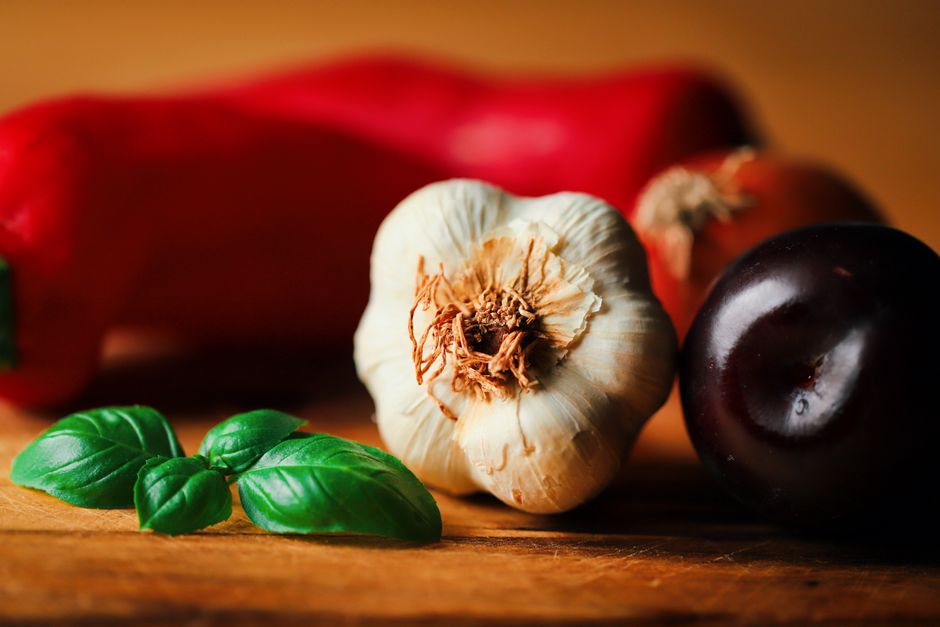
A sitz bath is a shallow, warm bath that covers only your hips and buttocks. It’s the most studied home remedy for hemorrhoids, and it works for a specific reason: warm water relaxes the internal anal sphincter muscle. That muscle spasm is what causes most of the throbbing pain, not the hemorrhoid itself.
Here’s the exact protocol that gives results in 2–3 days:
- Water temperature: 100–105°F (warm bath temperature, not hot). Hot water increases swelling.
- Duration: 15 minutes, no longer. Longer soaking macerates the skin and weakens the tissue barrier.
- Additives: 1–2 tablespoons of Epsom salt (magnesium sulfate) or plain sea salt. Salt reduces edema by osmosis. Do not add soap, bubble bath, or essential oils.
- Frequency: 2–3 times per day during a flare-up, especially after a bowel movement.
- Drying: Pat dry with a soft cloth. Do not rub. Rubbing removes the protective mucus layer and triggers more itching.
If you don’t have a sitz bath basin (they cost $12–$20 at any pharmacy), a clean bathtub with 4–5 inches of water works identically. The key is the sitting position, not the fancy plastic bowl.
Cold Therapy: When Ice Helps and When It Harms
Cold therapy is useful for exactly one type of hemorrhoid: acute external thrombosed hemorrhoids. These are the hard, purple lumps that appear suddenly after heavy lifting or prolonged sitting. The pain comes from blood clotting inside the vein, and cold reduces blood flow to the area, which limits further clotting and numbs the nerve endings.
For internal hemorrhoids or general anal itching, cold therapy is counterproductive. The anal canal has a dense network of blood vessels that constrict with cold, which can actually increase pressure inside the hemorrhoid once the tissue warms back up. You get a rebound swelling effect.
If you’re using ice, here’s the safe method:
- Wrap the ice pack in a thin cloth — never direct contact with skin.
- Apply for 10 minutes maximum. 15 minutes risks frostnip on the delicate perianal skin.
- Use a commercial gel pack or crushed ice. Solid ice cubes leave pressure points.
- Do this 3–4 times on the first day only. After 24 hours, switch to warm sitz baths to promote blood flow and healing.
One more thing: never use ice and heat alternately (contrast therapy) for hemorrhoids. That protocol works for muscle strains. For hemorrhoids, it causes the veins to expand and contract rapidly, which can dislodge a clot or worsen the swelling.
Fiber: The Only Long-Term Solution
Every home remedy treats symptoms. Fiber treats the cause. Hemorrhoids are a mechanical problem — veins in the anal canal get compressed and distended when you strain to pass hard stool. Soft stool = no straining = no hemorrhoid flare-ups.
Clinical data backs this up. A 2018 meta-analysis of seven randomized trials found that fiber supplementation reduced hemorrhoid symptoms by 47% compared to placebo. The effect was strongest for bleeding hemorrhoids, where fiber reduced recurrence by over 60%.
Not all fiber is equal. You need soluble fiber, specifically psyllium husk. Insoluble fiber (wheat bran, celery) adds bulk but doesn’t hold water, so it can actually make stool harder if you don’t drink enough water. Soluble fiber absorbs water and turns into a gel, which softens stool and makes it pass without effort.
Three practical options:
- Metamucil (psyllium husk powder): $15 for 72 doses. Start with half a dose per day and increase gradually over 5 days. Full effect takes 24–48 hours.
- Benefiber (wheat dextrin): Dissolves clear in water. Less gelling power than psyllium, but better for people who hate the texture of Metamucil.
- Citrucel (methylcellulose): Less bloating than psyllium. Good if you have IBS alongside hemorrhoids.
The minimum effective dose is 10 grams of soluble fiber per day. Most Americans get 5. You can also get this from whole foods — oats, barley, chia seeds, apples — but you’d need to eat 3 cups of cooked oatmeal daily. Supplementation is easier.
One warning: increase fiber slowly. Jumping from 5g to 25g in one day causes gas, cramping, and bloating that people mistake for a new problem. Add 3–4 grams per day and drink 8–10 glasses of water alongside it.
Witch Hazel vs. Aloe Vera: Which Topical Actually Works?
These are the two most common natural topicals for hemorrhoids. One works reliably. The other works for some people and makes things worse for others.
| Remedy | Mechanism | Best For | Risks |
|---|---|---|---|
| Witch hazel (alcohol-free, distilled) | Astringent — tannins shrink swollen tissue by precipitating proteins. Reduces bleeding and oozing. | Bleeding internal hemorrhoids, weeping external hemorrhoids, post-bowel movement cleaning. | Alcohol-based witch hazel burns and dries the skin. Must use alcohol-free version (Thayers or generic). Overuse (more than 5 days) causes skin thinning. |
| Aloe vera gel (100% pure, no additives) | Anti-inflammatory — contains acemannan, which inhibits COX-2 (same pathway as ibuprofen). Soothing, not drying. | Itchy, irritated external hemorrhoids with no bleeding. Post-sitz bath moisturizer. | Green-tinted aloe (with aloin/latex) is a laxative and will burn. Use only clear, inner-leaf gel. Store in fridge for extra cooling effect. |
My pick: For most cases, start with alcohol-free witch hazel on a cotton pad (like Tucks pads but cheaper — generic witch hazel costs $4 for 16 oz). Apply after each bowel movement for the first 3 days. If the area feels dry or itchy after that, switch to refrigerated pure aloe vera gel. The combination covers both the astringent and anti-inflammatory needs.
Do not mix them together. Apply one, let it dry for 2 minutes, then apply the other if needed.
The Toilet Routine That Prevents 80% of Flare-Ups

This is the least glamorous section of the article and the most important one. You can do every remedy above perfectly, but if your toilet habits are wrong, the hemorrhoids will keep coming back. Here’s the routine that gastroenterologists recommend but most people ignore:
1. Don’t sit longer than 5 minutes. Sitting on the toilet compresses the rectal veins. The longer you sit, the more blood pools in the hemorrhoid. If nothing happens in 5 minutes, get up and try again later. Read the label on the shampoo bottle later, not on the toilet.
2. Use a squat stool or footrest. A 2019 study in the Journal of Clinical Gastroenterology showed that raising your knees above hip level (a 35-degree hip flexion) straightens the anorectal angle and reduces straining force by 33%. A $20 squat stool (or even a stack of books) works. Your knees should be higher than your hips.
3. Clean with water, not dry paper. Toilet paper is abrasive. It removes the protective mucus layer and irritates the hemorrhoid. Use a bidet attachment ($25–$40 on Amazon, installs in 10 minutes) or a peri bottle (squeeze bottle, $8). Pat dry with a soft cloth or unscented baby wipes (flushable ones are a marketing lie — don’t flush them).
4. Don’t push. If the stool isn’t coming out with gentle pressure, it’s too hard. Go back to the fiber section above. Pushing increases intra-abdominal pressure by 200–300%, which is exactly what creates hemorrhoids in the first place.
5. One-and-done rule. Try to have one complete bowel movement per day rather than multiple small ones. Multiple trips mean multiple rounds of straining and sitting. If you feel like you didn’t finish, don’t force it. That feeling is often caused by the hemorrhoid itself, not by leftover stool.
Follow this routine for 2 weeks alongside the other remedies. If there’s no improvement, see a doctor. Bleeding that lasts longer than 2 weeks needs a colonoscopy to rule out other causes.
Medical Disclaimer: This content is for informational purposes only and does not constitute medical advice. Always consult a qualified healthcare professional before making health-related decisions.