
Do you need more water, more electrolytes, or simply better timing? For most people, the answer is simpler than the wellness industry makes it sound: drink regularly, drink more when you sweat, and stop treating thirst as an emergency alarm.
How much water do you actually need each day?
My verdict: do not chase a universal gallon target. Your water needs change with body size, weather, meals, exercise, pregnancy, illness, and medication. A fixed number can help as a rough starting point, but it cannot account for a hot commute, a two-hour run, or a day spent sitting in air conditioning.
Use body signals as your first check
Start with pale-yellow urine, normal thirst, and steady bathroom habits. Dark urine, a dry mouth, headache, dizziness, and a sudden drop in workout output can point to under-drinking. Clear urine all day does not mean you have achieved perfect health. It may mean you are drinking more than you need and washing out useful sodium.
For a typical healthy adult, total daily water from drinks and food often lands around 2 to 3 liters, but that is a broad range, not a prescription. Fruit, vegetables, yogurt, soup, coffee, and tea all contribute. You do not need to count every sip unless a clinician has told you to track fluids.
Match intake to sweat and heat
Exercise changes the calculation fast. Weigh yourself before and after a long, sweaty session without drinking during the test. Each pound lost represents roughly 16 ounces of fluid. Replace that loss gradually after training instead of forcing a huge amount at once. For short, easy workouts, plain water usually wins. For long sessions in heat, sodium matters because sweat carries sodium out of the body.
The best daily target is a repeatable habit: drink with meals, keep water nearby, and add more during heat or hard exercise. That approach beats an extreme target you abandon after three days.
What should you drink at work, meals, and workouts?
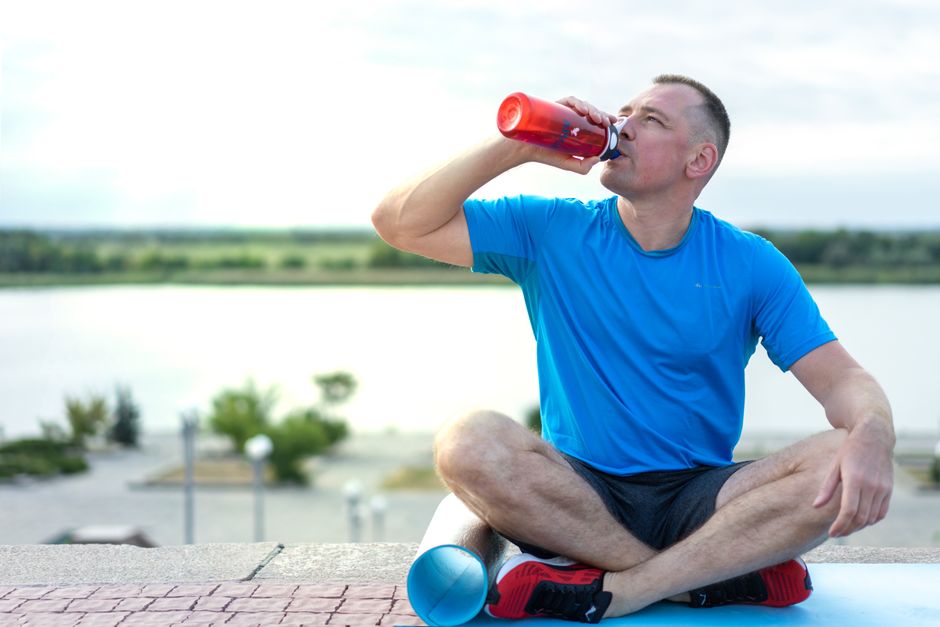
Plain water should handle most ordinary days. The right drink changes when the task changes, so use a simple schedule instead of sipping random beverages all day.
| Situation | Best first choice | Useful target | Reason |
|---|---|---|---|
| On waking | Water with breakfast | 250 to 500 ml | Replaces overnight fluid loss without forcing a large volume |
| Desk work | Water, sparkling water, or unsweetened tea | 150 to 250 ml every 2 to 3 hours | Maintains a steady routine without constant bathroom trips |
| With meals | Water or milk | One glass | Supports fluid intake while food supplies water and minerals |
| Workout under 60 minutes | Water | Small sips as needed | Most short sessions do not require added sugar or electrolytes |
| Long workout or heavy heat | Water plus sodium from food or an electrolyte drink | Drink to thirst and replace losses after | Helps address sweat losses without over-drinking plain water |
| Stomach bug or heavy diarrhea | Oral rehydration solution | Follow the package or medical advice | Provides a measured mix of fluid, sodium, and glucose |
The clear winner for everyday energy is water paired with regular meals. Sports drinks have a job, but that job is not replacing water at your desk. Sugary drinks can add calories without fixing poor sleep, skipped meals, or a sedentary day.
How do you build a hydration routine that survives busy days?
Do not rely on motivation. Build small triggers into routines that already happen.
- Drink at breakfast. Put a glass beside your plate before you sit down. A visible glass works better than a reminder buried in a phone.
- Carry one refillable bottle. Choose a size you can finish. A 750 ml bottle that stays with you is more useful than a 2-liter bottle left in the kitchen.
- Set three anchor times. Drink mid-morning, with lunch, and during the afternoon. These points cover the hours when many people mistake mild dehydration for fatigue.
- Drink before exercise. Have a normal glass of water with the meal before training. Do not start a workout already thirsty and then try to catch up during the first ten minutes.
- Use food to help. Fruit, vegetables, yogurt, soups, and milk add fluid along with potassium, sodium, and carbohydrates.
- Check your afternoon slump. Before reaching for another caffeinated drink, ask when you last drank water and ate a real meal. Fix both if needed.
- Adjust for sweat. Add fluids after long runs, outdoor work, sauna use, or hot-weather sports. Short walks in mild weather do not need a complicated electrolyte plan.
This routine works because it removes the need to remember hydration every minute. It also protects against the opposite mistake: drinking large amounts just because an app says you are behind.
Do electrolyte drinks actually improve energy?
When does an electrolyte drink make sense?
Electrolytes can help when sweat losses are high, exercise lasts more than an hour, or illness causes repeated fluid loss. They do not create energy on their own. Carbohydrate, sleep, and enough total food matter more for ordinary tiredness.
If you already buy these products, their formulas show why the choice matters. Nuun Sport tablets provide about 300 mg of sodium and 150 mg of potassium per tablet, with roughly 15 calories; a 10-tablet tube often sells for about $7.99. Liquid I.V. Hydration Multiplier provides about 500 mg of sodium, 11 g of added sugar, and 45 calories per stick; a 16-stick box often lists near $24.99. LMNT provides about 1,000 mg of sodium, 200 mg of potassium, and 60 mg of magnesium per packet, with 10 calories; a 30-stick box often sells near $45.
Which formula is the best fit?
Nuun Sport is the best light option for routine training. Liquid I.V. makes more sense after heavy sweating when some carbohydrate helps. LMNT is the strongest sodium choice for people who lose a lot of salt through sweat, but it is excessive for a quiet office day and can taste aggressively salty.
Who should avoid self-prescribing electrolytes?
People with kidney disease, heart failure, uncontrolled high blood pressure, or fluid restrictions should ask a clinician before adding high-sodium products. A drink marketed for athletes is not automatically safe for every household. For most daily tasks, plain water and normal food remain the better deal.
Why can you feel tired even after drinking enough water?
Water cannot repair a short night of sleep, replace a missed meal, correct iron deficiency, or fix an illness, so treat hydration as one part of energy management rather than the whole explanation; if fatigue persists for several weeks, worsens suddenly, or comes with fainting, chest pain, confusion, unusual thirst, or frequent urination, seek medical care instead of escalating your water intake, because forcing fluids can create its own problem when the body cannot clear them safely.
The practical test is simple: drink a normal amount, eat a balanced meal with carbohydrate and protein, sleep on a consistent schedule, and see if your energy improves over several days; if it does not, the answer is probably not another bottle.
Verdict: hydration supports energy, but it does not manufacture it.
Which hydration mistakes waste your effort?
Drinking too much too quickly
Downing a large bottle in minutes can cause bloating, nausea, and repeated bathroom trips. It also makes hydration feel like a chore. Spread drinks across the day, especially before and after exercise.
Using sports drinks for ordinary thirst
Most people do not need sugar and concentrated sodium during a normal workday. Save electrolyte drinks for long workouts, heavy heat, or clear fluid losses. Otherwise, water with meals is cheaper and easier to control.
Ignoring food and salt after sweating
Replacing sweat with water alone can leave some athletes feeling flat, especially after several hours outdoors. A meal containing carbohydrates and ordinary salt may solve the problem better than a premium powder.
- Do not use urine color as a perfect scorecard; food, supplements, and some medicines change its color.
- Do not force water before bed. It can damage sleep by sending you to the bathroom.
- Do not treat headaches as proof of dehydration. Heat, tension, poor sleep, caffeine withdrawal, and illness can cause the same symptom.
- Do not copy a professional athlete’s hydration plan for a 30-minute walk.
- Do not buy electrolyte products because the packaging promises focus or performance. Read the sodium, sugar, and serving size first.
For family life, desk work, and normal fitness sessions, the best recommendation is direct: keep water accessible, drink with meals and at three daily anchor times, increase intake when you sweat, and use electrolytes only for a clear reason. That habit supports steady energy without turning hydration into another expensive wellness project.
Medical Disclaimer: This content is for informational purposes only and does not constitute medical advice. Always consult a qualified healthcare professional before making health-related decisions.