
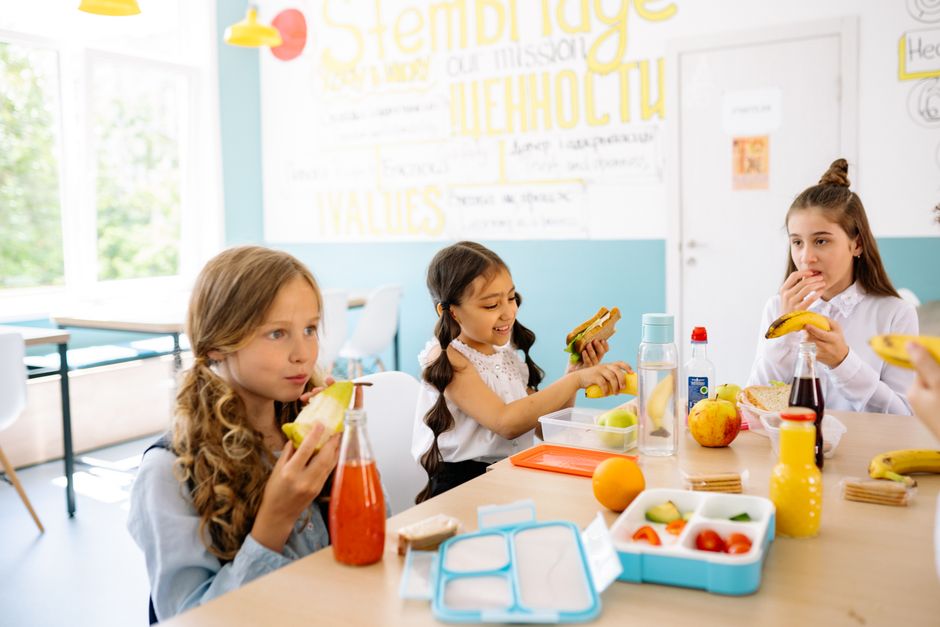
The best healthy school lunch is not the one with the most vegetables. It is the one your child opens, recognizes, eats, and brings home with an empty container. A winning lunchbox formula is simple: one familiar food, one reliable protein, one easy fruit or vegetable, and one small surprise. That balance works better than forcing a perfect meal that ends up untouched.
The lunchbox formula that beats picky eating
The strongest lunchbox rule is to change only one thing at a time. If your child already eats turkey sandwiches, keep the sandwich and change the fruit. If hummus is familiar, pair it with a new vegetable instead of replacing the whole meal. Large changes make lunch feel like a test, and hungry children rarely cooperate with tests.
Build every lunch from four predictable parts
Start with a food your child already accepts. This could be crackers, a cheese quesadilla, plain pasta, rice, a sandwich, or a hard-boiled egg. Add a protein that travels well, such as cheese, yogurt, chicken, beans, tuna, turkey, tofu, or sunflower-seed butter. Then add one produce item in a form your child can manage. Apple slices, berries, cucumber coins, steamed edamame, and baby carrots are easier to eat than a large salad.
The fourth part can be a small treat or a second familiar carbohydrate. A few pretzels, popcorn, a homemade oat bar, or two squares of dark chocolate can make the lunch feel complete. A small portion adds interest without pushing the more nourishing foods out of the box.
Use the one-bite bridge for new foods
Pair a new food with something safe. Try a single strawberry beside crackers, roasted chickpeas beside pasta, or a few bell-pepper strips beside a cheese quesadilla. Do not make the child finish the new item before eating the rest. Exposure works better when the child can inspect, smell, touch, and taste the food without pressure.
For younger children, cut foods into manageable pieces and remove packaging they cannot open. A healthy lunch that requires adult-level scissors, twisting strength, or complicated peeling is a poor school lunch. The practical verdict is clear: familiar structure matters more than recipe creativity.
What a balanced lunch actually looks like
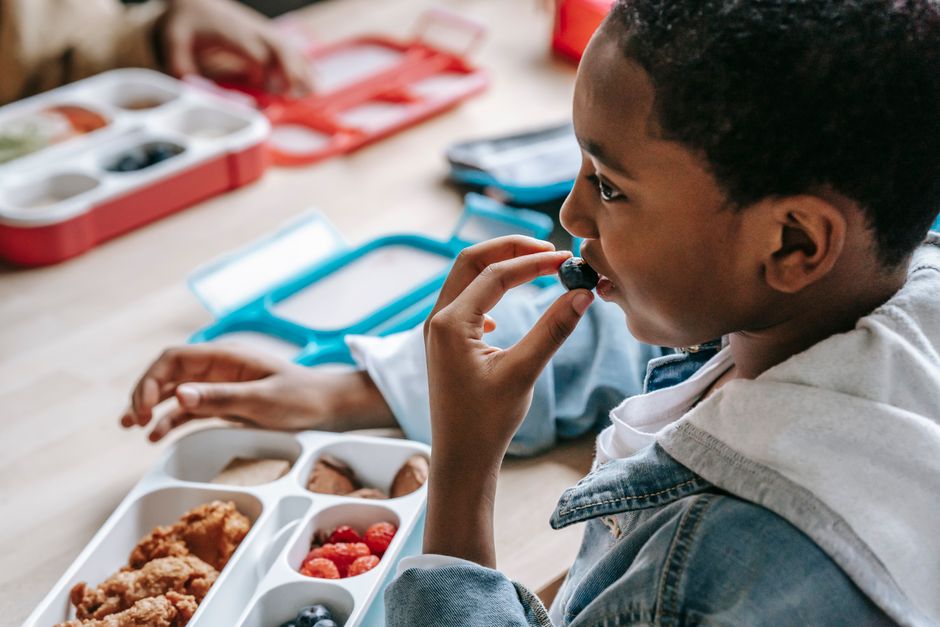
A balanced lunch does not need to match a nutrition textbook. It needs enough energy to carry a child through the afternoon, plus foods that support steady eating instead of a quick sugar spike followed by a crash. Use the table below as a fast check before packing. It gives choices, not a rigid menu.
| Lunchbox part | Useful portion examples | Easy foods to pack |
|---|---|---|
| Protein | 1 egg, 2 to 3 ounces meat, 1/2 cup beans, or 3/4 cup yogurt | Egg bites, turkey slices, lentil dip, Greek yogurt, tofu cubes |
| Carbohydrate | 1 slice bread, 1/2 to 1 cup cooked grains, or 6 to 10 crackers | Whole-grain pita, rice, pasta salad, oats, tortillas |
| Produce | 1/2 to 1 cup fruit or vegetables | Berries, melon, cucumber, snap peas, carrots, orange wedges |
| Fat or flavor | 1 to 2 tablespoons spread, seeds, dressing, or avocado | Hummus, guacamole, tahini dip, seed butter, olive-oil dressing |
| Optional fun food | Small handful or one small serving | Pretzels, popcorn, homemade muffin, or two small cookies |
Use the three-part check when mornings get rushed
If you have only two minutes, pack one protein, one carbohydrate, and one fruit or vegetable. A turkey roll-up, whole-grain crackers, and grapes can be enough. So can yogurt, a small bagel, and cucumber slices. Add water and move on. Missing one food group on a hectic morning does not ruin a child’s diet.
Stop chasing perfect macros
Children do not eat the same amount every day. Growth, activity, sleep, heat, and classroom stress all affect appetite. A child may eat the protein first one day and ignore it the next. The verdict is to judge the pattern across a week, not one lunch. Aim for variety over several days and keep the portions modest enough that the box does not look overwhelming.
Pack lunches kids can open, recognize, and finish
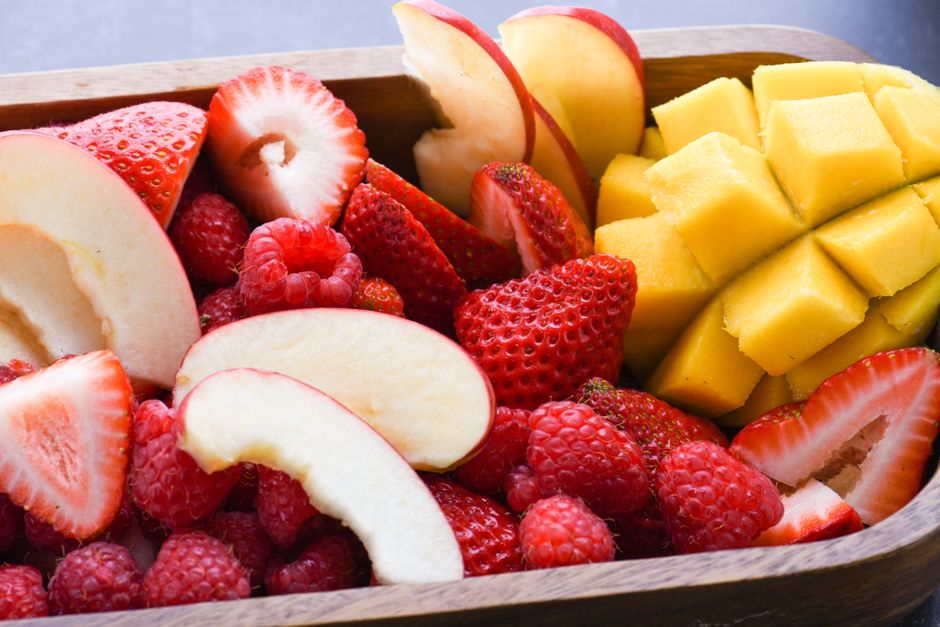
The most useful lunchbox improvement is not another recipe. It is removing the small obstacles that stop children from eating. Use this checklist before the first school morning.
- Run an opening test. Ask your child to open the container, peel the fruit, unwrap the sandwich, and close everything again. If they cannot do it at the kitchen table, they may skip the food at school.
- Pack food in separate pieces. Many children dislike a sandwich that becomes soggy or a cracker that touches fruit. Keep wet ingredients separate, or pack the sandwich components apart.
- Keep portions small. One large serving can look like too much work. Two turkey roll-ups, six berries, and a small handful of crackers often work better than a full sandwich and a pile of fruit.
- Use the right texture. Crisp foods lose their appeal when moisture reaches them. Drain canned fruit, pat washed produce dry, and cool cooked foods before sealing them.
- Pack one food your child can eat quickly. Lunch periods can be short. A banana, cheese stick, or small sandwich gives a child an easy starting point.
- Ask for feedback without negotiating. Replace “Why didn’t you eat your vegetables?” with “What was hard to open?” or “Which food should I pack less often?” The answer usually reveals a practical problem.
The five-minute evening setup
Wash produce, cook one grain, and portion two proteins on the weekend. Store them where children can see them. At night, let your child choose one item from each category. This gives them control without turning dinner into a custom restaurant.
The food-safety line you should not cross
Use an insulated bag with at least two cold sources for perishable foods. Keep cold foods cold and hot foods hot. Perishable food should not sit at room temperature for more than two hours, or more than one hour when the temperature is above 90°F. If the classroom has no refrigerator, skip risky foods unless you can keep them properly chilled.
Questions parents ask about healthy school lunches
What should I pack when my child refuses vegetables?
Start with fruit and work vegetables into familiar foods instead of hiding them. Add finely chopped spinach to an egg muffin, serve cucumber with a dip, or put roasted sweet potato beside a food your child already likes. Keep offering small amounts without pressure. A child who refuses raw carrots may accept cooked carrots, shredded carrots in a wrap, or carrot bread later.
Is a sandwich enough for lunch?
Yes, if the sandwich contains a filling your child eats and the rest of the lunch adds variety. A turkey and cheese sandwich with grapes and yogurt can be a complete meal. A peanut or seed-butter sandwich with banana and milk can also work. The bread does not need to be perfect every time. A lunch your child eats beats a nutritionally impressive sandwich that comes home untouched.
What can I pack for a child who gets bored easily?
Keep the ingredients steady and change the shape. Turn the same turkey, cheese, and vegetables into a wrap, pinwheels, snack plates, or a small pasta bowl. Use two dips during the week, swap berries for melon, and vary the grain. Change one or two details instead of creating five entirely different recipes. That saves time and keeps the lunch familiar enough to succeed.
Medical Disclaimer: This content is for informational purposes only and does not constitute medical advice. Always consult a qualified healthcare professional before making health-related decisions.