
That explains why a fruit pop can taste vivid before freezing and bland, hard, or icy afterward. Picture the common summer problem: the kids want a cold snack, a runner needs something refreshing after a workout, and the freezer contains a tray of homemade pops that crack when bitten. The issue usually is not the fruit. It is the balance of water, sugar, acid, and small particles in the mix.
The best version is not simply fruit blended with water. It has enough dissolved solids to stay pleasant when frozen, enough acid to keep the flavor bright, and enough structure to avoid separating into a block of ice.
Why homemade fruit popsicles turn icy and bland
Freezing does not lock every ingredient in place at the same speed. Pure water forms ice first. As that happens, sugar, acids, fibers, and minerals become concentrated in the remaining liquid. A mixture with too much water forms large ice crystals. A mixture with enough dissolved sugar and fruit solids freezes softer because those ingredients lower the freezing point and interrupt crystal growth.
Water content controls texture
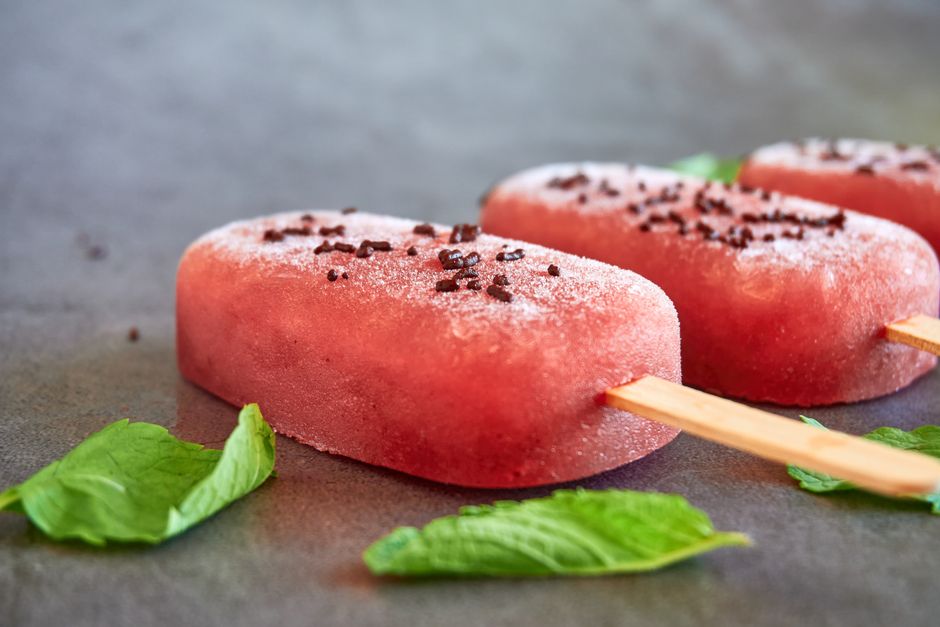
Watermelon, cucumber, citrus juice, and thin fruit juice need help because they contain little fiber or natural thickness. Use them as part of the liquid, not as the entire base. A useful starting ratio is two cups chopped fruit, one-half cup yogurt or coconut milk, and one to two tablespoons of honey or maple syrup. The yogurt or milk adds solids and a smoother mouthfeel. For a clear juice pop, blend in a banana, two tablespoons of applesauce, or one tablespoon of chia gel.
Acid and sweetness protect flavor
Lime or lemon juice makes sweet fruit taste sharper after freezing. Start with one teaspoon of lime juice per cup of mixture, then taste before freezing. Do not judge sweetness only at room temperature. Cold reduces the perception of sweetness, so the unfrozen base should taste slightly sweeter and more intense than the finished pop. If the mix tastes flat before freezing, the freezer will not repair it.
The clearest verdict is simple: watery fruit needs body, and mild fruit needs acid.
How to build a balanced fruit-pop base
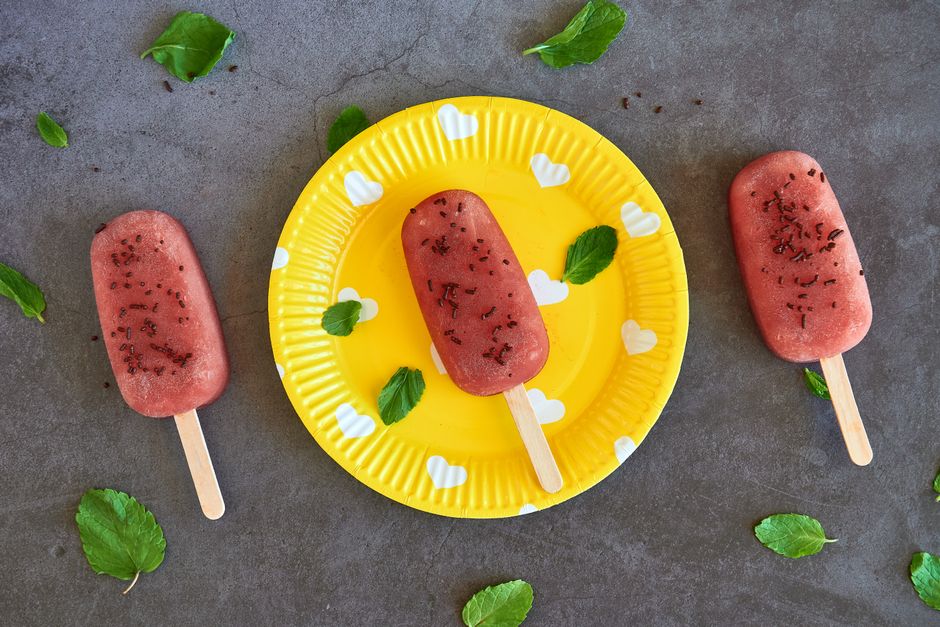
The most reliable method is a short formula rather than a single recipe. It works for berries, stone fruit, mango, pineapple, and mixed fruit, and it gives families a way to adjust the snack for breakfast, dessert, or exercise recovery.
- Choose the main fruit. Use two cups ripe fruit for six small pops. Strawberries, peaches, mangoes, and blueberries bring more flavor and texture than diluted juice.
- Add a texture builder. Select one-half cup plain Greek yogurt, kefir, unsweetened coconut milk, banana, or smooth applesauce. This step reduces the hard-water effect.
- Add controlled sweetness. Start with one tablespoon honey, maple syrup, or date paste. Very ripe fruit may need none. Children under one year should not eat honey.
- Balance the acid. Add one to two teaspoons lemon or lime juice. Pineapple and berries may need less; banana and peach usually benefit from more.
- Blend, then taste cold. Chill one teaspoon of the mixture for five minutes before making the final adjustment. This gives a better prediction of the frozen flavor.
- Liquid expands as it freezes, and overfilled molds leak into the freezer or glue the lid shut.
Use a simple nutrition check
For a snack that must carry a child through a long afternoon, add yogurt or nut butter if allergies allow. For a light post-workout refresher, pair fruit with Greek yogurt or milk instead of relying on sugar alone. A fruit-only pop can be refreshing, but it usually provides limited protein and may not satisfy hunger for long. Nutrition labels on packaged snacks can help with comparison, but homemade recipes still need portion awareness.
Freeze the pops for at least six hours, preferably overnight. If the texture is gritty, strain seeds from raspberries or blackberries next time, blend longer, or add a thicker base. A small change in the formula usually matters more than an extra hour in the freezer.
How to make frozen snacks that satisfy after exercise
Recommendation: make the recovery snack less icy before making it more complicated. A fruit pop cools the mouth and supplies carbohydrate, but it is not automatically a complete post-workout snack. After a hard session, pair one small pop with a protein-rich food instead of forcing protein powder into every recipe.
Match the snack to the workout
After a short walk or easy mobility session, a fruit-and-lime pop may be enough. After 45 to 60 minutes of running, cycling, or team sport, use a creamy base made with Greek yogurt, milk, or soy yogurt. The texture will be softer, and the snack will provide more staying power. A practical batch uses two cups fruit, one cup plain Greek yogurt, one tablespoon honey, and one tablespoon lemon juice. Six portions give each pop a modest amount of energy without turning dessert into a full meal.
Control portions and hidden sugar
Natural sugar still counts toward total carbohydrate intake. Fruit juice, agave, honey, and sweetened yogurt can stack quickly, especially when children eat two or three pops at once. Use unsweetened yogurt, whole fruit, and a small amount of added sweetener. If a recipe needs four tablespoons of syrup to taste good, the fruit probably needs ripening, acid, or a thicker base. For people managing diabetes, allergies, kidney disease, or a prescribed diet, the recipe should fit their personal nutrition plan rather than a generic wellness claim.
The strongest everyday option is a six-pop batch with whole fruit and plain yogurt. It beats a water-and-syrup pop on texture, and it avoids the false promise that every frozen snack needs a supplement label.
What goes wrong, and when should you skip homemade pops?
Most frozen-snack failures are predictable. A short check before freezing prevents wasted fruit and a freezer full of treats nobody wants to eat.
Why did the pops freeze rock-hard?
Too much water, too little dissolved sugar, or a very cold freezer can create a hard block. Add a thicker ingredient such as banana, yogurt, applesauce, or coconut milk. Let the pops sit at room temperature for three to five minutes before pulling them from the mold. Do not run hot water over the entire pop; warm only the outside of the mold.
Why did the pops separate?
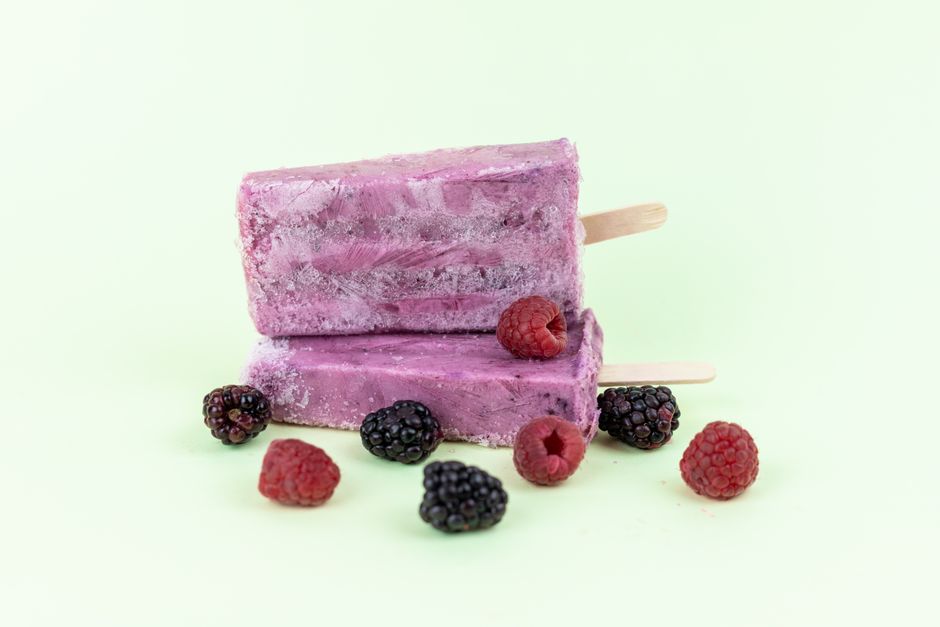
Large fruit particles and liquid separate when the mixture sits before freezing. Blend thoroughly, strain fibrous fruit, and freeze immediately. If separation remains, use yogurt or banana to add body. Pineapple and kiwi also contain enzymes that can affect dairy texture when the mixture rests for a long time, so freeze those recipes soon after blending.
When is store-bought the safer choice?
Skip homemade pops when the kitchen cannot keep ingredients cold, when the freezer has repeated temperature swings, or when a child has a serious allergy that makes shared equipment risky. Do not freeze a mixture made from milk or yogurt that has sat at room temperature for more than two hours, or one hour in very hot conditions. A packaged snack with a clear ingredient and allergen label can be the better choice for school trips, camps, and crowded events. Homemade is not automatically safer; the handling record matters.
How to plan a six-day frozen-snack rotation
A small rotation keeps the freezer useful and prevents the same sweet flavor from appearing every afternoon. Make one base at a time, label the date, and keep the portion size consistent. Most homemade fruit pops taste best within two to three weeks because freezer odors, ice crystals, and texture changes build over time.
A practical weekly schedule
- Day 1: Make strawberry-lime pops with yogurt for a creamy snack.
- Day 2: Serve one pop with breakfast protein rather than treating it as a complete meal.
- Day 3: Make mango-orange pops with no extra sweetener if the mango is ripe.
- Day 4: Use frozen berries, banana, and milk for a darker, thicker batch.
- Day 5: Make watermelon-lime ice pops, but add banana or applesauce to reduce iciness.
- Day 6: Check labels, dates, mold cleanliness, and remaining portions before making another batch.
Keep molds upright on a level shelf, leave space around them for air circulation, and wash reusable sticks after every batch. The best routine is the one that matches the household: small batches for occasional dessert, creamy fruit pops for active families, and juice-free whole-fruit versions when added sugar is the main concern.
| Goal | Best base | Main tradeoff |
|---|---|---|
| Bright, light refreshment | Whole fruit, citrus, and a small amount of water | More likely to freeze hard |
| Soft family snack | Fruit, plain yogurt, and a little honey | Needs careful cold storage |
| Post-workout option | Fruit, Greek yogurt, and milk or soy yogurt | More filling but less icy |
| Lowest-cost batch | Seasonal fruit and reusable molds | Flavor varies with ripeness |
Medical Disclaimer: This content is for informational purposes only and does not constitute medical advice. Always consult a qualified healthcare professional before making health-related decisions.