
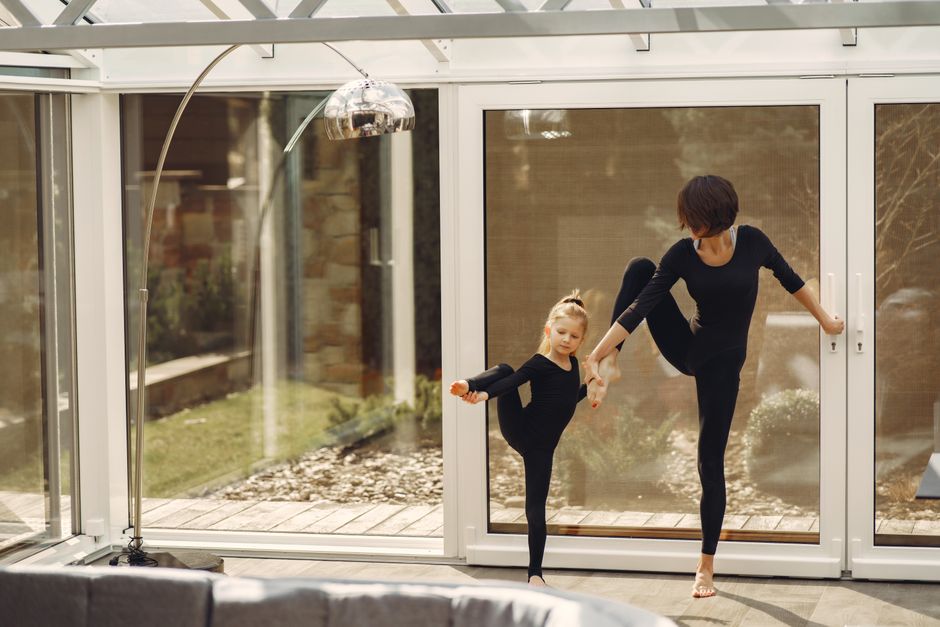
The best family fitness plan is built around the school day, not forced into the leftover minutes. Start with three scheduled movement blocks, protect the transition from school to home, and keep a shorter backup routine for busy evenings. This approach works because it treats pickup, homework, meals, sleep, weather, and activities as real limits instead of pretending every afternoon is open.
This guide discusses no state laws because school calendars, youth activity rules, and health requirements vary by state and district. This is not legal advice — consult a licensed attorney. For medical concerns, injuries, or a child returning to exercise after illness, speak with a qualified health professional.
Build the Week Around Fixed School Commitments
The strongest schedule starts with the obligations that cannot move. Put school hours, bus times, pickup, tutoring, music lessons, team practices, dinner, and bedtime on one page. Only then should you place family workouts. This prevents the common mistake of booking exercise during a window that disappears every Tuesday or Thursday.
Map obligations before workouts
Use a seven-day calendar and mark each fixed event in a single color. Add a 15-minute travel buffer after pickup and at least 20 minutes before bedtime. A child who arrives home at 4:10 p.m. may need a snack, a bathroom break, and a mental reset before moving. Treat that transition as part of the schedule. The first useful question is not how much exercise the family can fit in. It is which blocks can survive a normal school week.
Give each day a clear job
Choose three primary movement days and two light days. A primary day might include a 30-minute family walk, bike ride, playground circuit, or home strength session. A light day might include ten minutes of stretching, walking during an errand, or active chores. The clear winner is a plan with fewer sessions that happen consistently rather than seven ambitious sessions that collapse after one late pickup.
| Day | School constraint | Fitness block | Fallback |
|---|---|---|---|
| Monday | Homework-heavy evening | 20-minute walk after dinner | 8-minute mobility routine |
| Tuesday | Sports or club activity | Existing practice counts as movement | Five-minute stretch before bed |
| Wednesday | Shorter school day | 30-minute family circuit | 15-minute playground visit |
| Thursday | Late pickup | 10-minute walk before dinner | Indoor marching and balance work |
| Friday | Lower energy after school | Recreational activity chosen by children | Free play at home |
Keep the table visible on the refrigerator or in a shared calendar. The recommendation is simple: anchor movement to three repeatable times, then let the rest of the week stay flexible.
Protect the After-School Transition

Most family fitness plans fail between the school gate and the dinner table. The problem is usually not a lack of motivation. It is a poorly managed transition. Children may be hungry, overstimulated, tired, or carrying unfinished work. Adults may be answering messages, starting dinner, or driving to another activity. A plan that ignores those facts creates conflict before exercise even begins.
Use a 20-minute reset
Set aside 20 minutes after arrival for water, a simple snack, changing clothes, and a short pause. Do not turn this into an hour of screens if the workout depends on momentum. Keep the snack predictable: fruit with yogurt, a cheese stick with whole-grain crackers, or a sandwich half with water. The goal is enough fuel to move without creating a heavy meal right before activity.
Match the session to energy, not guilt
Use a three-level scale. Green means the family has normal energy and can complete 25 to 40 minutes. Yellow means one person is tired, so choose 10 to 20 minutes at an easy pace. Red means illness, pain, unusual exhaustion, or a serious time problem; skip the formal workout and choose rest or gentle daily movement. This is a safety rule, not a lack of discipline. Pain that changes a child’s movement, breathing trouble, faintness, or symptoms that persist require professional advice.
Make the first five minutes easy
Start with a walk around the block, a song with simple movements, or five rounds of squats to a chair, wall push-ups, and marching. Avoid making children perform adult-style workouts at adult intensity. Let the youngest child set the pace for the warm-up, then offer two choices for the main activity. Choice improves cooperation without turning the session into a negotiation over every minute.
The best after-school rule is this: protect the reset, begin with five easy minutes, and shorten the session before you cancel it. A short workout that preserves family trust is more valuable than a hard session that makes the next one harder to start.
Use a Three-Tier Plan for Busy Weeks

A reliable routine needs a full version, a short version, and a minimum version. This prevents one missed practice or late bus from turning into a lost week. Write the three versions before the school term becomes busy. Families make better decisions under pressure when the choice has already been made.
The three tiers
- Full session: 30 to 40 minutes of walking, cycling, swimming, dancing, playground games, or a simple strength circuit. Include five minutes of easy warm-up and five minutes of slower movement at the end.
- Short session: 15 minutes at home. Use three rounds of 40 seconds of movement and 20 seconds of rest: marching, chair squats, wall push-ups, step-ups, and a balance exercise.
- Minimum session: Five minutes of movement before the next fixed task. Walk stairs safely, stretch, carry light groceries, or play a fast game in the yard. The purpose is continuity, not calorie counting.
- Travel version: Pack comfortable shoes and use a school track, park, hotel hallway, or safe public path. Keep the plan location-independent.
- Weather version: Move indoors before the weather becomes the evening argument. Use hallway laps, music, balloon volleyball, or a living-room circuit with clear furniture boundaries.
- Homework version: Break study time into 25-minute work periods with two minutes of walking or stretching between them.
- Recovery version: If a child is sore from sport, choose light walking and mobility instead of adding another hard session.
Recover after a missed day
Do not double the next workout to compensate. Resume the next planned session at its normal length. If two sessions disappear, reduce the following week to the minimum version and rebuild. The useful verdict is that consistency should be measured across four weeks, not judged by one difficult Wednesday.
Keep competition optional. Children who enjoy racing can race, but family fitness should not make the slowest person feel responsible for the group. Shared movement lasts longer when the activity creates conversation, play, or a small sense of accomplishment.
Review the Routine Every Four Weeks
The right plan is the one the family can repeat without resentment. Review it every four weeks, preferably on a Sunday afternoon. Look at attendance, energy, sleep, travel time, weather, and conflict. Do not focus only on minutes or steps. A schedule that produces 90 minutes of relaxed movement and better evenings is stronger than one that produces 180 minutes and constant arguments.
Ask four practical questions
- Which session happened most often, and what made it easy to start?
- Which session failed repeatedly because of pickup, homework, or fatigue?
- Did the plan allow enough food, water, changing time, and sleep?
- Did every family member have at least one activity they actually enjoyed?
Know when to change the plan
Move the workout earlier if bedtime becomes rushed. Shorten it if children are regularly exhausted. Replace a competitive activity if one person avoids it or feels embarrassed. Add a rest day after a demanding sports week. When a family calendar changes, update the fitness plan immediately instead of waiting for repeated failure to prove the point.
For most families, the clearest recommendation is three anchored movement blocks each week, a 20-minute after-school reset, and a five-minute minimum version for difficult days. Start there for four weeks, review the evidence from your own calendar, and keep only the parts that protect health, sleep, and family cooperation.
This is not legal advice — consult a licensed attorney.
Medical Disclaimer: This content is for informational purposes only and does not constitute medical advice. Always consult a qualified healthcare professional before making health-related decisions.