
The first problem is often not laziness. It is a poor match between the child, the setting, and the way adults introduce the sport.
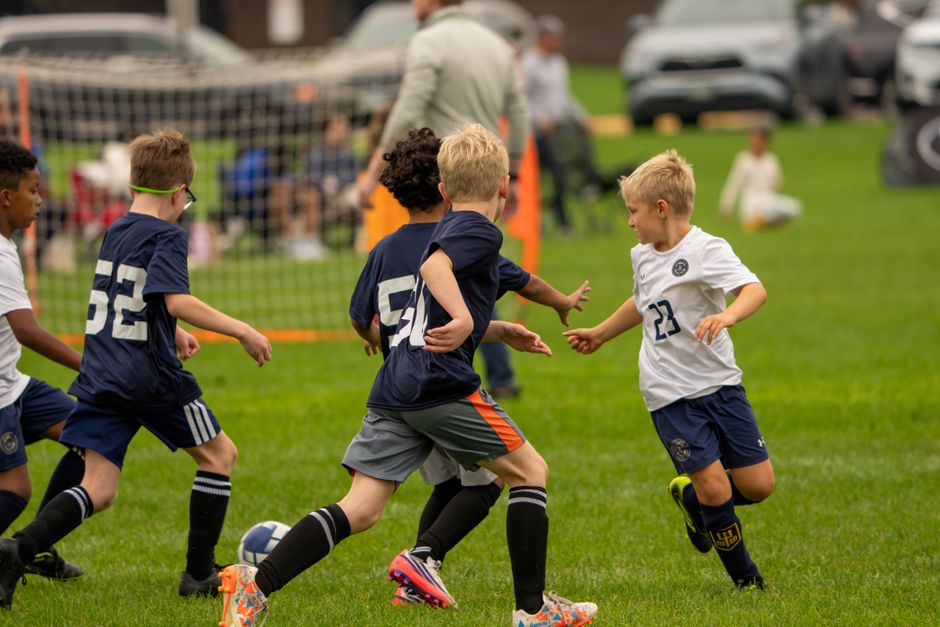
Picture a nine-year-old who refuses soccer after two rainy practices. A parent sees a quitter. The child may see crowded drills, shouted instructions, unfamiliar shoes, and a coach who never learned their name. The better response is a short, low-pressure trial that gathers evidence before the family commits time or money.
The CDC guidance supports varied, enjoyable movement rather than one required sport. This guide applies that principle to real family decisions. This is not legal advice — consult a licensed attorney.
Why a Child Rejects Sports Before Trying Them
A child’s refusal often contains useful information. Courts, schools, and youth programs may describe participation as a choice, but parents see the details that shape that choice: the drive to practice, the changing room, the coach’s tone, the cost of equipment, and the fear of being watched. Treating every refusal as a character flaw can turn a manageable mismatch into a lasting dislike of exercise.
The first barrier is usually the setting
Sports differ in noise, physical contact, waiting time, competition, and social exposure. A child who dislikes a crowded basketball gym may enjoy swimming because the lane gives them personal space. A child who fears individual evaluation in tennis may feel more relaxed during a family bike ride. The activity itself is only one part of the experience.
Motivation grows from control and competence
Children tend to repeat activities when they can make small choices and notice progress. Letting a child pick between climbing, dance, skating, and martial arts gives them some control. Breaking the first session into a simple goal, such as completing three passes or balancing for ten seconds, creates an early success that does not depend on winning.
Parents should also separate discomfort from danger. Mild nerves, sweat, and effort are normal. Persistent pain, panic, bullying, unsafe supervision, or repeated humiliation are reasons to stop and reassess. The clear verdict is this: do not push harder until you know what the child is rejecting. Identify the setting first.
How to Match a Sport to a Child’s Real Preferences
Start with behavior, not stereotypes. The child does not need to announce a lifelong passion. You need enough information to choose a sensible first trial.
- Record the child’s natural movement. For seven days, notice what they choose without prompting. Running, climbing, spinning, throwing, balancing, dancing, and exploring water each point toward different activity families.
- Ask five narrow questions. Ask, “Do you want a team or solo activity?” “Do you like fast action or steady practice?” “How much touching feels comfortable?” “Would you rather be indoors or outside?” and “Do you want an adult to teach you or learn beside a friend?”
- Match the answer to the environment. A social child who likes fast decisions may enjoy soccer or basketball. A child who prefers repetition may favor swimming, tennis, or gymnastics. A child who needs space may prefer cycling, hiking, or rowing.
- Test the coach before enrollment. Ask how beginners are grouped, how the program handles mistakes, how long children wait between turns, and what happens when a child feels overwhelmed. A direct answer is a good sign. Vague promises are not.
- Set a trial limit. Choose two or three sessions before making a verdict, unless the child reports pain, fear, or unsafe conduct. After each session, ask for one rating from 1 to 5 for fun, comfort, and willingness to return.
Do not ask, “Are you good at it?” That question makes performance the test. Ask, “Which part would you try again?” The strongest first choice is the activity with the highest repeat score, not the activity with the most impressive reputation.
A Four-Week Trial Plan That Protects Motivation
A short trial prevents two common errors: quitting after one uncomfortable day and paying for a full season before the child has enough information. Keep the schedule predictable, but leave room to stop if the experience becomes unsafe or distressing.
| Week | Family action | What to measure | Decision rule |
|---|---|---|---|
| 1 | Watch a class, visit the facility, and try one beginner session. | Noise, travel time, coach behavior, and comfort. | Continue only if the child feels safe enough to return. |
| 2 | Attend two short sessions or one class plus one informal practice. | Fun rating, recovery after activity, and one skill that improved. | Keep the activity if the child names one part they liked. |
| 3 | Let the child choose a small practice goal. | Choice, effort, and willingness to practice for 10 to 15 minutes. | Change the goal, coach, or setting if effort creates dread. |
| 4 | Compare the activity with one alternative. | Return interest, cost, schedule, and family logistics. | Choose one activity for six more weeks or end the trial. |
The table matters because enthusiasm can be misleading after one exciting class, while frustration can be misleading after one difficult class. Four weeks reveal the pattern. Keep the trial active but modest: one or two organized sessions each week, plus free play. A child does not need a second job disguised as a hobby.
Use a simple record: date, activity, fun score, comfort score, one positive detail, and one concern. That record helps parents make a fair decision instead of arguing from memory.
What Should Parents Do When a Child Quits?
“Should I make my child finish the season?”
Usually, no single rule fits every situation. If the child is bored but safe, negotiate a short exit date, such as completing two more sessions while testing another activity. If the child reports bullying, repeated humiliation, injury, or unsafe supervision, the parent should address the concern immediately and can withdraw the child without treating that decision as failure.
“How do I tell normal frustration from a bad fit?”
Normal frustration sounds like, “That drill was hard,” followed by some willingness to return. A bad fit often looks like stomachaches before practice, sleep problems, tears that continue after the activity, or repeated fear of a specific adult or peer. Ask open questions away from the facility. Avoid leading the child toward the answer you want.
“What if my child keeps switching activities?”
Set a reasonable exploration budget. For example, allow three short trials each season, with a family rule that the child gives each safe activity two or three sessions unless the program is clearly unsuitable. Switching is not automatically a problem. It can show that the child is learning which environments support them. The parent’s job is to require respectful communication and safe conduct, not permanent loyalty to the first sport chosen.
Safety, Cost, and Legal Questions to Check Before Enrollment
Safety screening comes before skill development. Ask the program for its emergency plan, coach training, supervision ratio, concussion policy, weather policy, and process for reporting bullying or abuse. Confirm who may pick up the child and how the facility handles an injury. These questions are practical, not hostile.
What legal points should a parent review?
No specific state law is being analyzed here. Youth-sports rules vary by state and may cover concussion response, background checks, transportation, mandated reporting, waivers, and nonprofit immunity. A waiver does not automatically erase every duty a program may have, and the exact result can depend on the state, the organization, and the facts. Read the registration terms, keep copies, and ask a licensed attorney about any clause you do not understand.
Which costs deserve scrutiny?
Request the full season cost in writing. Include registration, uniforms, equipment, travel, tournament fees, facility fees, late charges, and cancellation terms. A low registration fee can become expensive when weekly travel and required clothing are added. Families should also ask about scholarships, payment plans, rental equipment, and refund rules before paying.
This is not legal advice — consult a licensed attorney. Parents should also consult a pediatrician before a child with a known medical condition begins vigorous training, especially when the activity includes heat, altitude, collision, or long sessions.
The Best Starting Choice for Most Families
For most families, the best first step is a four-week trial of two contrasting activities: one social option, such as beginner soccer or dance, and one lower-pressure option, such as swimming, cycling, hiking, or tennis; choose the activity the child rates highest for safety, enjoyment, and willingness to return, then keep the equipment budget small until that pattern holds.
Do not measure success by medals, early talent, or a full calendar. Measure it by repeated participation, healthy recovery, respectful coaching, and a child who can name one part of the activity they want to do again.
The specific recommendation is to begin with a low-cost trial near home, ask the child to choose between two options, attend three sessions, and commit only to the activity that earns a clear “I want to go back” from the child.
Medical Disclaimer: This content is for informational purposes only and does not constitute medical advice. Always consult a qualified healthcare professional before making health-related decisions.