
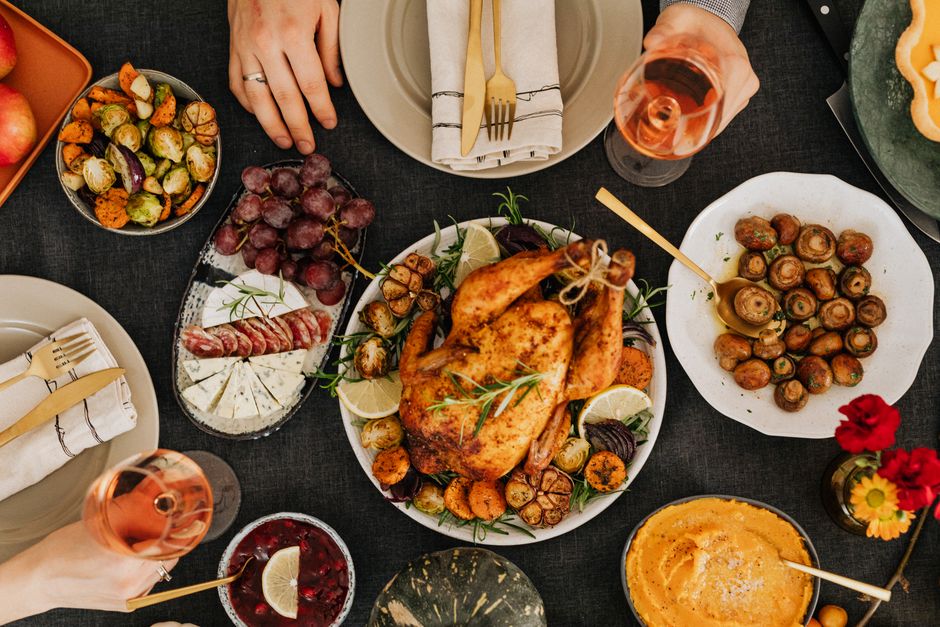
A single festive meal can make the scale jump several pounds by the next morning, but that change mostly reflects food volume, salt, and stored carbohydrate pulling in water—not instant body fat. The better response is not to skip breakfast or punish yourself with extra workouts. Build one satisfying plate, enjoy the foods that matter to you, and return to normal meals at the next opportunity.
Why One Holiday Meal Does Not Ruin Your Progress
The scale measures more than body fat
Holiday meals often contain more sodium and carbohydrate than a normal dinner. Both can increase temporary water retention. A larger meal also remains in your digestive system longer, so the next weigh-in may reflect the meal itself rather than a meaningful change in body tissue. That is why weighing yourself immediately after a celebration can create unnecessary worry.
The useful question is not how to undo the meal but which next meal would help you feel normal tomorrow. The answer is usually water, a regular breakfast, a protein-rich lunch, vegetables, and a short walk if you want one. You do not need a cleanse, a fast, or a rule that bans leftovers.
The real job of a balanced plate
A balanced plate solves three practical problems at once: it gives you enough food to feel satisfied, adds fiber and protein to slow the meal down, and leaves room for traditional treats. Start with vegetables or fruit, add a palm-sized serving of protein, choose one or two carbohydrate foods, then add a small portion of the dish you most want. This structure works at a family dinner, office buffet, or restaurant.
Verdict: Treat the holiday meal as one meal, not a test of your character or a reason to abandon your normal routine.
How to Build a Balanced Holiday Plate in Five Steps

Use this method before you sit down. It takes less than a minute and removes most portion guesswork.
Step 1: Scan the full table first
- Look at every dish before serving. Pick the foods you genuinely want instead of filling your plate from the nearest bowl.
- Fill about half the plate with vegetables, salad, fruit, or a vegetable-based side. Roasted carrots, green beans, Brussels sprouts, and a simple salad all count.
- Add a palm-sized serving of turkey, chicken, fish, beans, lentils, eggs, or another protein. For children, use the size of their own palm.
- Choose one or two carbohydrate sides, such as potatoes, stuffing, rice, bread, or pasta. Start with a serving that fits in your cupped hand.
- Finish with the food you would regret skipping. A small slice of pie or a few pieces of chocolate can fit without turning the meal into a failure.
Step 2: Leave a deliberate second-helping option
Do not build a mountain of food because you fear you will not get another chance. Eat the first plate slowly, wait 10 minutes, and then decide if you want more. If you are still hungry, take more protein, vegetables, or the specific side you enjoyed most. This approach works better than trying to be perfectly restrained and then grazing continuously all evening.
Step 3: Use a drink rule that supports the meal
Have water available and choose alcohol or sweet drinks intentionally. One glass between courses is easier to track than an open cup beside the plate. For families, sparkling water with citrus gives children and adults a festive option without making every drink a dessert.
What to Eat Before, During, and After a Festive Meal
Best recommendation: Keep the rest of the day ordinary. Saving every calorie for dinner usually produces fast eating, poor choices, and a second round of snacks after the meal.
| Time | Simple choice | Why it works |
|---|---|---|
| Breakfast | Greek yogurt, oats, berries, and nuts | Provides protein, fiber, and steady energy |
| Two hours before | Apple with cheese or hummus with vegetables | Takes the edge off hunger without spoiling dinner |
| During dinner | Balanced plate plus water | Creates room for favorite dishes without grazing |
| After dinner | Tea, a short walk, or a planned dessert | Ends the meal with a clear next step |
Why skipping meals backfires
Arriving ravenous makes every food look urgent. You may eat quickly, take large servings, and keep picking at leftovers because the meal never feels finished. A normal breakfast and a small pre-meal snack give you more control without taking away the pleasure of dinner.
What to do the next morning
Drink water, eat a normal breakfast, and return to your usual movement. Do not cut carbohydrates because you ate stuffing the night before. Do not add a punishing workout to compensate. If you feel heavy, choose a lighter lunch with soup, vegetables, beans, chicken, or yogurt. The strongest plan is the one that makes the next ordinary meal easy.
Holiday Eating Mistakes That Create More Stress
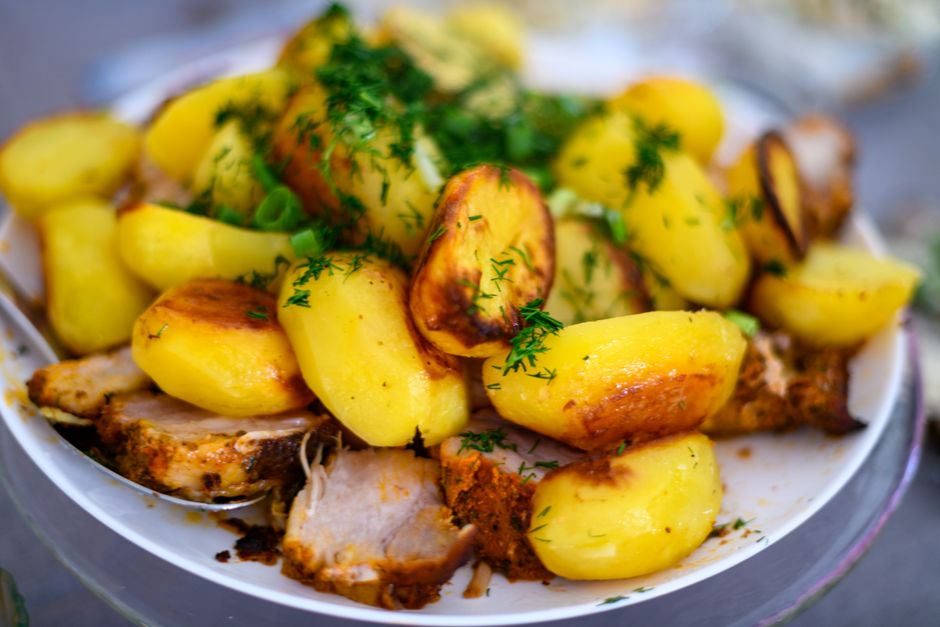
Most problems come from rigid rules, not from one serving of dessert. Fix the process and the meal becomes easier.
Should you avoid all rich foods?
No. Banning every rich dish often makes that food feel more valuable and harder to stop eating. Choose the dessert, stuffing, creamy potatoes, or bread you actually want. Take a clear portion, sit down, and enjoy it without eating directly from a serving dish. The specific portion matters more than the label “healthy” or “unhealthy.”
Is a “healthy” substitute always better?
No. A lower-sugar dessert may be useful for someone who likes its taste, but it can disappoint guests who wanted the traditional recipe. A salad covered in cheese, dressing, nuts, and fried toppings may contain more energy than a modest serving of roasted vegetables. Pick food for flavor, satisfaction, and the needs of the people eating it—not because a package uses a wellness claim.
What if family members pressure you to eat more?
Use a short answer: “That was delicious, and I am comfortable for now.” You can accept a small taste, ask for a container, or move to another room after dinner. Children can learn the same skill by deciding when they are full instead of being told to clean the plate. The goal is a calm meal, not a public debate about nutrition.
Also avoid the common mistake of calling the next day a reset. There was no need to reset. One normal breakfast and one normal lunch are enough to restart your routine.
The Simplest Holiday Plate Plan
The recommendation is clear: use the half-vegetable, palm-sized protein, one-or-two-sides method, then reserve a visible space for the treat you want most. It gives families a repeatable structure without turning dinner into a math exercise.
Use this plan at your next celebration
- Eat a normal breakfast and lunch instead of fasting.
- Bring or choose one vegetable dish you genuinely enjoy.
- Serve protein first, then add vegetables and favorite starches.
- Take one dessert portion, sit down, and decide later if you want more.
- Store leftovers in clear containers and plan one ordinary meal for the next day.
Medical Disclaimer: This content is for informational purposes only and does not constitute medical advice. Always consult a qualified healthcare professional before making health-related decisions.