
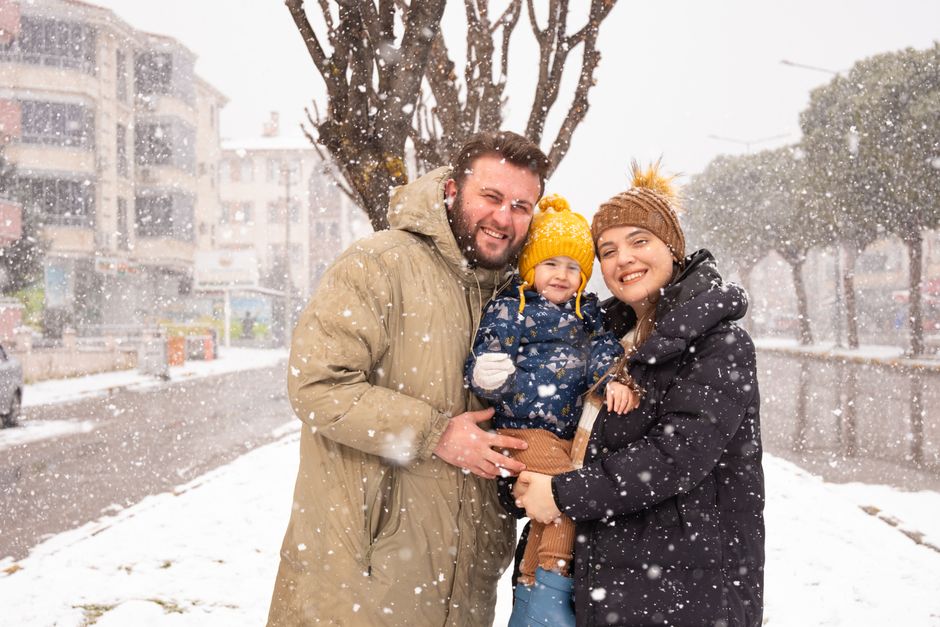
Active holiday traditions work best when they create shared time instead of adding another task to the calendar. The strongest ideas are simple, repeatable, cheap enough to repeat, and flexible when weather or energy levels change.
Why active holiday traditions last longer than gifts
The best family tradition solves a time problem. A shared walk, bike ride, hike, or backyard game gives the family one event that meets all three needs.
The real problem is fragmented family time
Most families do not need a harder workout. They need a reliable reason to gather. A 30-minute activity before a holiday meal can be more useful than an ambitious fitness plan that requires travel, special equipment, and two open hours. The activity becomes the trigger for conversation, not a test of athletic ability.
A tradition needs a repeatable trigger
Choose a fixed date, meal, or moment. The first Saturday of December could mean a neighborhood light walk. The morning after a holiday meal could mean a short family hike. A tradition survives when people can predict it without checking a group chat. Keep the base version between 20 and 60 minutes, then add distance or games only when the group wants more.
Verdict: The most durable active holiday tradition is the one that can happen with ordinary clothes, no registration, and almost no planning. A perfect event held once is less valuable than a modest event repeated every year.
How to build a family tradition that survives busy weeks
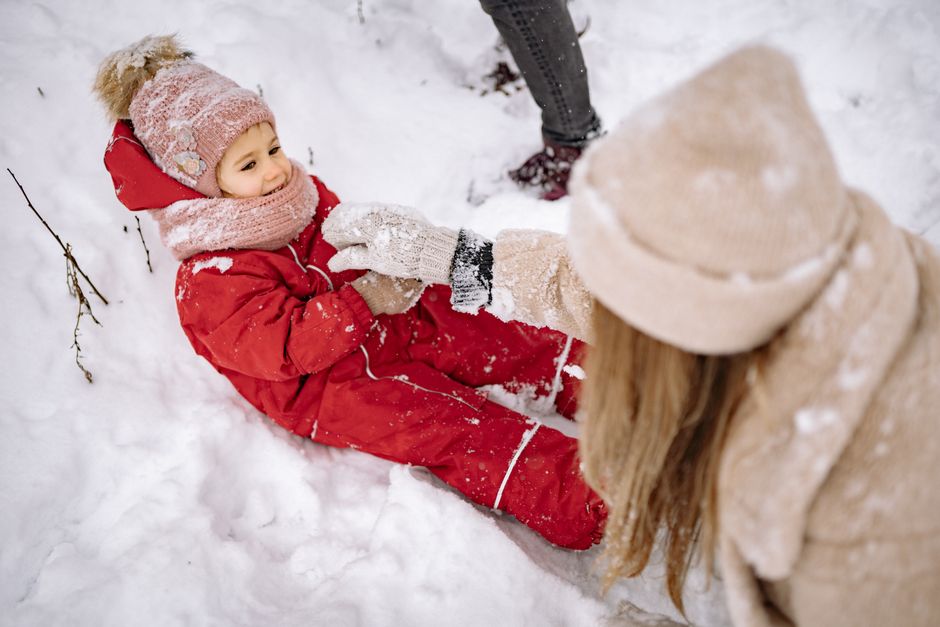
Build the tradition around the lowest realistic energy level. Families often plan for the version they want to do on a sunny weekend, then cancel when someone is tired, sick, working late, or dealing with bad weather. A better plan has a full version and a minimum version.
Use five simple rules
- Pick one anchor: Link the activity to a meal, holiday date, school break, or family visit.
- Set a minimum: Agree that 20 minutes still counts. This prevents an all-or-nothing decision.
- Give everyone one job: One person chooses the route, one brings water, and one starts the playlist or game.
- Create a weather backup: Replace a trail with a mall walk, indoor scavenger hunt, dance session, or stair challenge.
- Record the memory, not the score: Take one photo or write down one funny moment. Avoid turning the event into a performance report.
Protect the low-energy version
The minimum version is not a consolation prize. It is the reason the tradition survives. A family that normally walks five miles can still count a 20-minute neighborhood loop. This approach also includes relatives who have limited mobility or do not enjoy competitive exercise.
The family rule should make participation easy enough that nobody needs to negotiate for an hour.
Which holiday activity fits your family schedule?
The right activity is the smallest one that gives the group a clear shared experience.
Use the smallest repeatable version
Set a cash ceiling before choosing the activity.
Choose the clear winner
For mixed ages, the holiday light walk wins because it requires little fitness, costs almost nothing, and works after dinner. For families with older children, the bike loop offers more movement without the planning burden of a long hike. The best choice is the activity that still sounds reasonable when everyone is tired.
Bottom Line: Pick the light walk for reliability, the bike loop for movement, and the hike for families that already enjoy outdoor time. Do not choose the most impressive option; choose the one with the fewest cancellation points.
The best shared tradition is a weekly outdoor route
The strongest recommendation is a familiar outdoor route repeated at the same time each holiday season. Familiarity cuts planning, and repetition gives children a sense of ownership. The route can be a park loop, a block of decorated houses, a greenway, or a short path near a relative’s home.
Make the route measurable
A measurable route avoids arguments about when the activity is finished. It also allows the family to compare memories instead of athletic ability. One year the group might walk quickly; another year a toddler might stop at every bench. Both versions still count.
Turn movement into a ritual
Give the route a name, choose one annual photo spot, and let a different family member lead each year. Add one small challenge, such as finding five red decorations, spotting three birds, or collecting litter with gloves. Skip contests that leave one child last every time. A ritual should create an opening for conversation, not a ranking system.
The route also scales well. Adults can extend it after younger children return home, while the main family tradition stays accessible. If someone cannot walk the full distance, use a bench, café, or community center as the meeting point.
Verdict: A repeatable route beats a complicated holiday event because the route carries its own history. Every return adds another memory without requiring more money or equipment.
What makes family activity traditions fail?
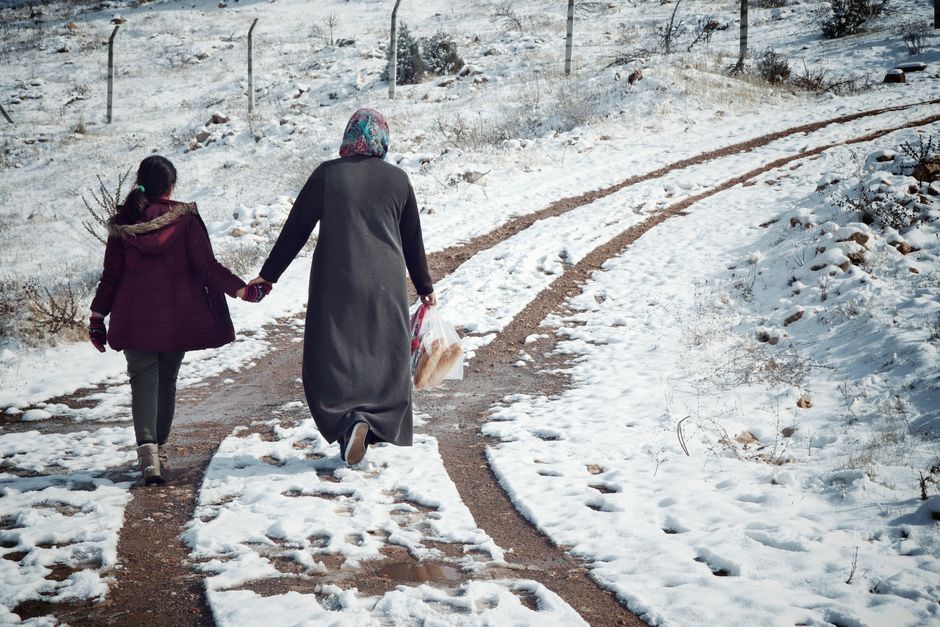
Most failed traditions do not fail because the activity was boring. They fail because the plan ignored real family behavior. Use these failure checks before committing to a recurring event.
Common failure modes
- The plan is too ambitious: A three-hour hike may sound memorable, but it becomes a poor fit when younger children, older relatives, or new exercisers join.
- The event depends on perfect weather: If rain cancels the only version, the tradition has no backup.
- One person does all the work: The organizer eventually resents the event. Share route planning, food, transport, and cleanup.
- The activity becomes a fitness test: Tracking every mile, calorie, or pace can embarrass relatives and remove the social point.
Family questions about active holiday traditions
What if one family member dislikes exercise?
Use a social activity with movement built in. A light walk, decoration hunt, outdoor photo challenge, or short food-and-walk event feels less like a workout than a timed circuit. Give the reluctant person a meaningful role, such as choosing the route or leading the photo challenge. The clear winner is a tradition where participation does not require athletic confidence.
How much activity is enough?
For a holiday tradition, 20 to 60 minutes is enough to create a repeatable habit. Add intensity only when the group wants it. A family that walks for 30 minutes, talks for 15 minutes, and repeats the event every year has built something useful even if nobody records a personal best.
Should families track steps or calories?
Only if everyone enjoys it. Tracking can motivate one person and annoy another, so make it optional. Use shared markers instead: number of visits, photos taken, routes completed, or relatives included. Those measures support the actual goal, which is time together.
The best active holiday traditions leave room for different ages, abilities, budgets, and energy levels. A short route, a weather backup, and a clear spending limit will do more for consistency than expensive equipment or an aggressive schedule.
Medical Disclaimer: This content is for informational purposes only and does not constitute medical advice. Always consult a qualified healthcare professional before making health-related decisions.