

January does not require a punishing fitness reset. A workable plan gives you enough structure to train, enough flexibility to handle real life, and enough recovery to stay active after the first burst of motivation fades.
How Many Days Should a January Workout Schedule Include?
For most adults, the best starting point is three planned workouts each week, with optional movement on one or two other days. That schedule creates a clear rhythm without making exercise compete with work, family, sleep, and normal winter disruptions. The goal is not to fill every open space on your calendar. The goal is to create a repeatable pattern that still works during a difficult week.
Start with three training anchors
Choose three fixed workout slots and protect them like appointments. A useful beginner schedule might place strength training on Monday, brisk walking or cycling on Wednesday, and a second strength session on Saturday. If your mornings change often, use a time window instead of a precise start time, such as any time between 5 p.m. and 7 p.m. This keeps the plan firm enough to guide you but loose enough to survive delays.
Use effort, not ambition, to set the starting point
Your first sessions should finish with energy left. Aim for an effort of about 6 or 7 on a 10-point scale, where you could still complete two or three more good repetitions. Start strength exercises with two sets of 8 to 12 repetitions, and keep moderate cardio between 20 and 30 minutes. This approach builds training consistency before you chase harder sessions.
Schedule recovery before you need it
Leave at least one easier day between demanding sessions that use the same muscles. Sleep, food, and low-intensity movement all affect how well you recover. If soreness changes your walking pattern or makes stairs painful, replace the next hard workout with gentle walking and mobility work. A realistic January workout schedule includes those adjustments from the start.
Build Your January Workout Schedule in 20 Minutes
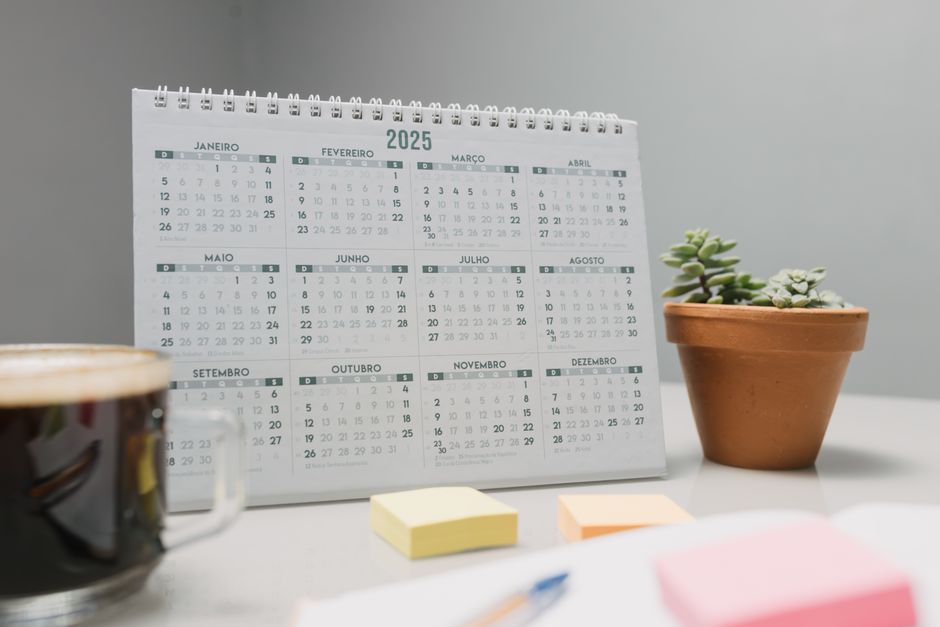
You do not need a complicated spreadsheet. A blank calendar, a pen, and a clear weekly minimum can produce a useful plan in one sitting. Follow this sequence before choosing exercises.
1. Set your weekly floor
- Write down the smallest amount of exercise you can complete during a busy week. For many people, that means two 20-minute sessions.
- Set a ceiling so enthusiasm does not push you into six hard sessions during week one.
2. Assign each session a job
- Give one session to full-body strength using movements such as squats, rows, presses, hinges, and carries.
- Give one session to steady cardio that lets you speak in short sentences.
- Give one session to strength, intervals, or a longer outdoor activity based on your current fitness.
3. Add the details that remove friction
- Write the exact start time, location, and workout length.
- Put clothes, shoes, and water where you will see them.
- Choose a backup session that takes 10 minutes and requires no equipment.
- Mark each completed session with a simple check, not a score.
The plan is ready when another person could follow it without asking what you meant. Vague goals create daily decisions; written details make starting easier.
The Best January Workout Plan Is Smaller Than You Think
Start with the schedule you can repeat on an ordinary Tuesday, not the schedule that looks impressive on January 1. A plan with three 30-minute sessions will beat a plan with six 60-minute sessions if the larger plan collapses after ten days, because progress comes from repeated exposure to training rather than one heroic week. The first two weeks should feel almost conservative: keep one or two repetitions in reserve, finish before exhaustion, and use walking or gentle mobility to keep the habit alive on days that lack time.
January Workout Schedules Compared: 3, 4, or 5 Days?
More training days can work, but each extra day adds another point where travel, childcare, overtime, or poor sleep can break the plan. Compare the options by their recovery demands and by how easy they are to rescue when life gets crowded.
The three schedule models
| Schedule | Weekly structure | Best fit | Main risk |
|---|---|---|---|
| 3 days | 2 strength sessions, 1 cardio session | Beginners and busy adults | Skipping one day removes one-third of the plan |
| 4 days | 2 strength, 1 cardio, 1 mobility or mixed session | People with a stable weekly rhythm | Easy days become hard days |
| 5 days | 3 strength or cardio sessions, 2 short movement sessions | Experienced exercisers with recovery time | Too much intensity and not enough sleep |
Pick the schedule with the strongest backup
The three-day plan wins for most people starting in January. If you miss Wednesday, you can move cardio to Friday without creating a crowded week. The four-day plan becomes a better choice when two sessions can stay short, such as 15 minutes of mobility after work. A five-day plan only earns its place when at least two days are easy walks, stretching, or technique practice. Training five times does not mean training hard five times.
The clear recommendation is three planned workouts plus optional movement. It offers enough stimulus to improve fitness while leaving room for recovery and schedule changes.
What If Motivation Drops After Week Two?

What should you do when you miss a workout?
Do not restart the month or double the next session. Move the missed workout to the next available day if that still leaves a recovery day afterward. If the week is already crowded, use the 10-minute backup session and return to the normal schedule on the following week. A missed workout is a scheduling problem, not proof that the plan failed.
How can you train when you feel tired?
Use a simple traffic-light rule. Green means normal energy, so complete the planned session. Yellow means poor sleep, mild soreness, or a stressful day, so cut the session by one-third and keep the effort moderate. Red means illness, sharp pain, chest pain, dizziness, or unusual shortness of breath; skip training and seek appropriate medical help. This rule protects the habit without treating every low-energy day as a reason to quit.
What keeps exercise from feeling repetitive?
Keep the purpose of each workout stable but rotate small details every two weeks. You might change a walking route, swap a split squat for a step-up, or use a different mobility sequence. Do not change everything at once. Familiar movements make progress easier to measure, while small changes protect interest. Track sessions completed, minutes moved, and one feeling such as energy or stiffness. These measures show progress before the scale or mirror changes.
Mistakes That Make January Workout Plans Collapse
The biggest mistake is treating motivation as a reliable scheduling tool. Motivation rises and falls with sleep, weather, stress, and mood, so your plan needs practical safeguards. Build around these failure points before they appear.
- Starting at full intensity: Hard sessions create soreness that interrupts the next week. Begin at a level you can repeat.
- Counting only perfect workouts: A 12-minute walk still supports the routine when a 45-minute session will not fit.
- Ignoring travel and family duties: Mark busy days in advance and assign them short backup workouts.
- Changing exercises every session: Constant novelty makes it difficult to tell if strength or endurance is improving.
- Using pain as a progress test: Muscle effort can be normal; sharp, worsening, or joint-focused pain deserves caution.
- Making every day hard: Easy movement improves weekly activity without adding the same recovery cost as intervals or heavy lifting.
- Use bodyweight movements, stairs, walking, and a sturdy chair first.
Add equipment only after you have completed several weeks with the tools already available.
Which January Workout Schedule Should You Choose?
Choose the lowest schedule that covers your main goal and still leaves room for recovery. Someone returning after a long break needs a different entry point from someone who already trains four days a week. The table below gives a direct decision instead of asking you to design a perfect plan from scratch.
Match the plan to your current reality
If you have not trained regularly in the last three months, choose the three-day plan and keep the first two weeks moderate. If you already exercise twice each week, use the four-day plan only when the fourth session remains easy. If you enjoy frequent movement and recover well, a five-day schedule can work when it includes short walks and mobility rather than five demanding workouts.
Use the minimum plan during difficult weeks
Your schedule should have two versions: the normal week and the minimum week. The minimum version might include two 20-minute full-body sessions and one 10-minute walk. Returning to that version is not failure. It is how you preserve the habit until time, energy, and sleep improve.
| New or returning to exercise | 3 days | 2 strength, 1 cardio | Best starting point |
| Consistent twice-weekly exerciser | 4 days | 2 strength, 1 cardio, 1 easy movement | Best for steady progress |
| Experienced and well-recovered | 5 days | 3 training days, 2 easy movement days | Best only with recovery time |
| Overloaded or sleep-deprived | Minimum plan | 2 short sessions, 1 walk | Best for keeping the habit alive |
Medical Disclaimer: This content is for informational purposes only and does not constitute medical advice. Always consult a qualified healthcare professional before making health-related decisions.