

Which supplements actually have the clinical backing to improve memory, and which are simply clever marketing? This question sits at the heart of a multi-billion dollar industry that often promises more than it can deliver. When we talk about memory, we aren’t just discussing the ability to find your car keys. We are looking at a complex interplay of neuroplasticity, neurotransmitter levels, and the structural integrity of neurons. As the population ages and the cognitive demands of the modern workplace increase, the search for a reliable mental edge has moved from the fringes of biohacking into the mainstream of health and wellness. However, the path to choosing the right supplement is fraught with proprietary blends and exaggerated claims. To find what truly works, we have to look past the label and into the peer-reviewed data regarding specific compounds and their interactions with the human brain.
Are memory supplements actually effective for long-term brain health?
The efficacy of memory supplements is rarely a simple yes or no. Instead, it is a question of mechanism. Most supplements targeting the brain, often referred to as nootropics, work through a few specific pathways. Some aim to increase blood flow to the brain, others provide the raw materials for neurotransmitter synthesis, and a third group focuses on neuroprotection—shielding cells from oxidative stress. When we examine the long-term data, it becomes clear that these substances are not magic pills. They are tools that may enhance a healthy baseline. For instance, a brain that is chronically sleep-deprived or malnourished will not see a significant reversal of decline simply by adding a capsule of Ginkgo Biloba. The biological foundation must be present for the supplement to act as a catalyst.
The Role of Brain-Derived Neurotrophic Factor (BDNF)
BDNF is often described as ‘Miracle-Gro’ for the brain. It is a protein that supports the survival of existing neurons and encourages the growth of new ones. Several supplements, most notably Lion’s Mane mushroom and certain polyphenols, have shown the potential to modulate BDNF levels. In clinical settings, higher levels of BDNF are associated with improved memory retention and faster learning rates. While the research is still evolving, the ability to influence this protein through supplementation represents one of the most promising frontiers in cognitive health. It suggests that we might be able to do more than just mask symptoms; we might be able to support the brain’s innate capacity for repair.
Acetylcholine and the Cholinergic System
Acetylcholine is the primary neurotransmitter involved in learning and memory. Many of the most popular memory supplements work by either increasing the production of acetylcholine or slowing its breakdown. This is the same logic used in several pharmaceutical treatments for cognitive decline. Compounds like Alpha-GPC and Citicoline provide the brain with choline, a precursor to this vital neurotransmitter. When levels are optimized, users often report a sense of ‘mental clarity’ and a reduction in the effort required to recall complex information. However, the body is highly sensitive to these levels, and over-supplementation can lead to headaches or even depressive symptoms, highlighting the need for precise dosing rather than a ‘more is better’ approach.
Which natural nootropics show the strongest clinical evidence for memory?

When we filter out the noise, three natural ingredients consistently rise to the top of clinical literature: Bacopa Monnieri, Ginkgo Biloba, and Phosphatidylserine. These are not new discoveries; they have been used in traditional medicine for centuries, but modern science is finally catching up to explain why they work. Bacopa Monnieri, an herb used in Ayurvedic medicine, is perhaps the most well-documented for memory enhancement. It contains bacosides, which help repair damaged neurons and improve kinase activity. This is not an immediate effect. Most studies show that the benefits of Bacopa don’t fully manifest until after 8 to 12 weeks of consistent daily use. It is a slow-burn supplement that rewards patience.
Ginkgo Biloba and Microcirculation
Ginkgo Biloba is one of the oldest living tree species, and its leaves are used to create extracts that improve blood flow to the brain. By reducing the ‘stickiness’ of platelets and dilating small blood vessels, Ginkgo ensures that oxygen and glucose—the brain’s primary fuels—are delivered more efficiently. This is particularly relevant for older adults who may experience age-related decreases in cerebral blood flow. While some meta-analyses have shown mixed results in healthy young adults, the data for those experiencing mild cognitive impairment is much more compelling. It acts as a circulatory support system that keeps the brain’s environment hospitable for high-level functioning.
Phosphatidylserine and Cell Membrane Integrity
Phosphatidylserine (PS) is a fatty substance called a phospholipid. It covers and protects the cells in your brain and carries messages between them. PS is essential for keeping your mind and memory sharp. As we age, the levels of PS in the brain naturally decline. Supplementing with PS has been shown in multiple double-blind, placebo-controlled trials to improve memory, concentration, and even mood in elderly subjects. Interestingly, while PS used to be derived from bovine sources, modern supplements use soy or cabbage-derived PS, which has been shown to be just as effective without the associated risks of animal-derived products.
Comparing the top-rated memory supplement brands on the market
Moving from individual ingredients to finished products requires a look at formulation. The market is currently dominated by ‘stacks’—products that combine multiple ingredients into a single dose. This can be beneficial because of synergistic effects, where one ingredient enhances the absorption or efficacy of another. However, it also makes it harder to identify which specific component is doing the heavy lifting. We have analyzed three of the most prominent players in the space to see how they stack up in terms of value, transparency, and ingredient quality.
| Product Name | Approx. Price | Key Pros | Key Cons |
|---|---|---|---|
| Mind Lab Pro | $69.00 | Third-party tested, clean label, no caffeine | Premium price point, only available online |
| Neuriva Plus | $45.00 | Widely available in retail, contains Coffee Fruit Extract | Lower dosages of PS than clinical recommendations |
| Onnit Alpha Brain | $79.00 | Clinically studied formula, focuses on ‘flow state’ | Uses proprietary blends (hides exact dosages) |
Mind Lab Pro: The Transparent Choice
Mind Lab Pro has gained a significant following because it avoids the ‘proprietary blend’ trap. Every ingredient and its exact dosage are listed on the label. This allows users to compare the amounts to the dosages used in clinical trials. For example, their inclusion of 150mg of Bacopa Monnieri (standardized to 45% bacosides) aligns well with the lower end of effective clinical doses. It is a stimulant-free formula, which is a major advantage for those who want to support their brain without the jitters associated with high-caffeine products. The downside is the cost; at over $2.00 per serving, it is a significant monthly investment.
Neuriva Plus: The Mass Market Approach
Neuriva, backed by the pharmaceutical giant Reckitt, focuses on two primary ingredients: Neurofactor (coffee fruit extract) and Plant-Sourced Phosphatidylserine. Neurofactor has been shown in small studies to increase BDNF levels. The appeal of Neuriva is its simplicity and accessibility. You can find it at almost any pharmacy or grocery store. However, for a ‘Plus’ version, the ingredient list is quite short. It lacks the multi-pathway support found in more expensive stacks. For someone just starting with memory supplements, it offers a low-barrier entry point, but experienced users may find the formula underwhelming.
How do omega-3 fatty acids and vitamin B12 support memory retention?
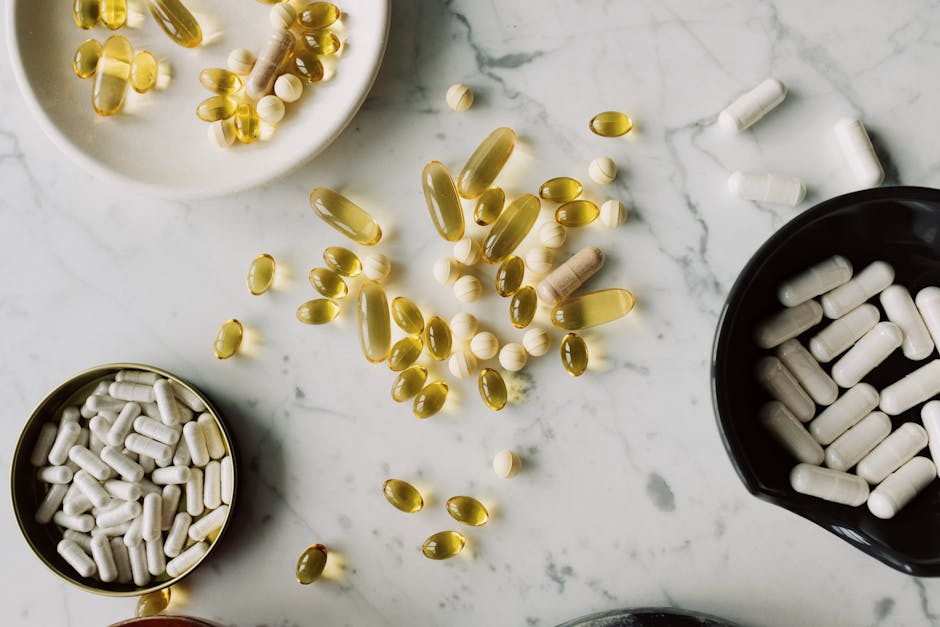
Before jumping into exotic herbs, it is vital to address the nutritional bedrock of brain health. Memory is not just about neurotransmitters; it is about the physical structure of the brain. Omega-3 fatty acids, specifically DHA (docosahexaenoic acid), are the primary structural components of the human brain and retina. If you don’t have enough DHA, your brain cells literally cannot communicate effectively. Research has shown that people with higher levels of omega-3s in their blood tend to have larger brain volumes in the hippocampus—the area of the brain responsible for memory. A deficiency in these fats can lead to cognitive ‘fog’ that no amount of caffeine can clear.
The B-Vitamin Connection and Homocysteine
Vitamin B12, B6, and Folate play a critical role in a process called methylation. One of the byproducts of poor methylation is an amino acid called homocysteine. High levels of homocysteine are toxic to the brain and are strongly linked to brain shrinkage and an increased risk of Alzheimer’s disease. In the VITACOG study, researchers found that high doses of B-vitamins were able to slow brain atrophy by up to 50% in individuals with high homocysteine levels. This suggests that for a significant portion of the population, the ‘best’ memory supplement might actually be a high-quality B-complex. It is a reminder that memory issues are often a symptom of a deeper nutritional imbalance.
“The brain is the most metabolically active organ in the body. While it only accounts for 2% of your body weight, it consumes 20% of your daily energy. Without the right micronutrients, the machinery of memory simply grinds to a halt.”
Magnesium L-Threonate: The Brain-Specific Mineral
Magnesium is involved in over 300 biochemical reactions, but most forms of magnesium are poorly absorbed by the brain. Magnesium L-Threonate is a specific form developed by MIT researchers that is capable of crossing the blood-brain barrier. By increasing the density of synapses (the connections between neurons), this form of magnesium has shown promise in ‘reversing’ the functional age of the brain in clinical trials. It is particularly effective for improving working memory—the kind of memory you use to hold a phone number in your head while you look for a pen. For those who feel their ‘mental RAM’ is full, this mineral is a noteworthy addition to a cognitive stack.
What safety precautions should you consider before starting a memory supplement?
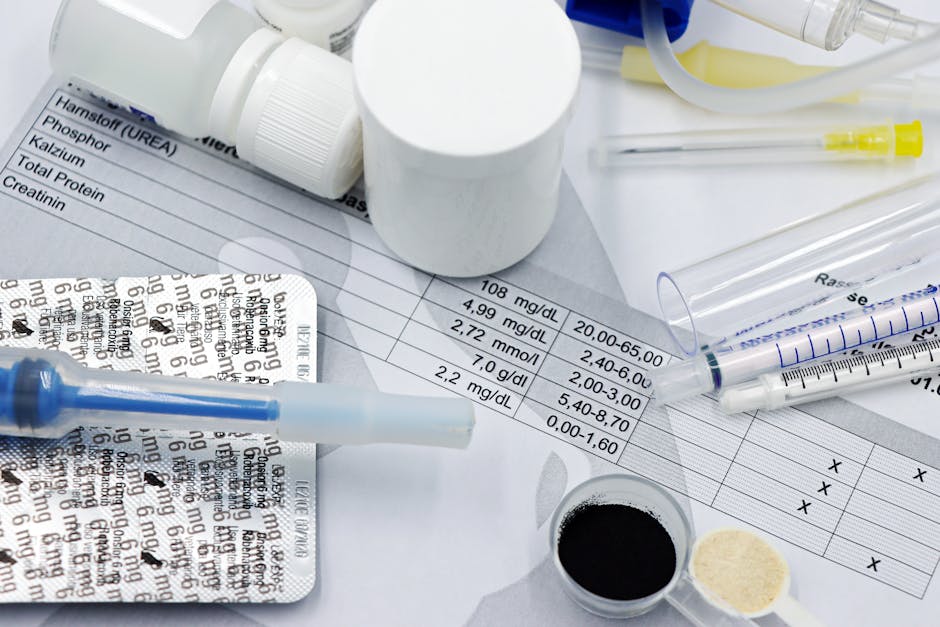
The ‘natural’ label on a supplement does not mean it is free from risks. The brain is a delicate chemical environment, and introducing high doses of concentrated extracts can have unintended consequences. One of the most significant concerns is the interaction between supplements and prescription medications. For example, Ginkgo Biloba and high-dose Omega-3s both have blood-thinning properties. If taken alongside medications like Warfarin or even daily Aspirin, they can significantly increase the risk of internal bleeding. Always consult a healthcare provider, especially if you are scheduled for surgery, as many of these supplements must be discontinued weeks in advance.
The Importance of Third-Party Testing
The supplement industry is notoriously under-regulated. The FDA does not approve supplements for safety or efficacy before they hit the market. This means that what is on the label isn’t always what is in the bottle. Some products have been found to contain heavy metals, unlisted stimulants, or significantly less of the active ingredient than promised. To protect yourself, look for seals from independent testing organizations like NSF International, USP (U.S. Pharmacopeia), or Informed-Sport. These certifications ensure that the product has been verified for purity and that the dosages are accurate. If a company refuses to provide a Certificate of Analysis (COA) upon request, it is usually best to avoid their products.
Dosage Sensitivity and Cycling
More is not always better when it comes to neurochemistry. The brain often responds to supplements in a U-shaped curve: too little has no effect, the right amount provides a benefit, but too much can cause toxicity or down-regulation of your natural neurotransmitters. For example, excessive intake of Huperzine-A, a common ingredient in memory stacks, can lead to a buildup of too much acetylcholine, causing muscle twitches and nausea. Many experts recommend ‘cycling’ memory supplements—taking them for five days and then taking two days off, or taking them for three weeks and one week off. This prevents the brain from developing a tolerance and helps maintain the supplement’s effectiveness over the long term.
Ultimately, the best approach to memory supplementation is one of cautious experimentation. Start with the basics—Omega-3s and B-vitamins—to ensure your brain has its foundational needs met. If you choose to explore botanical nootropics like Bacopa or Ginkgo, introduce them one at a time so you can accurately assess their impact. Memory is a lifelong asset; treating it with the respect it deserves means choosing quality over hype and data over anecdotes.