
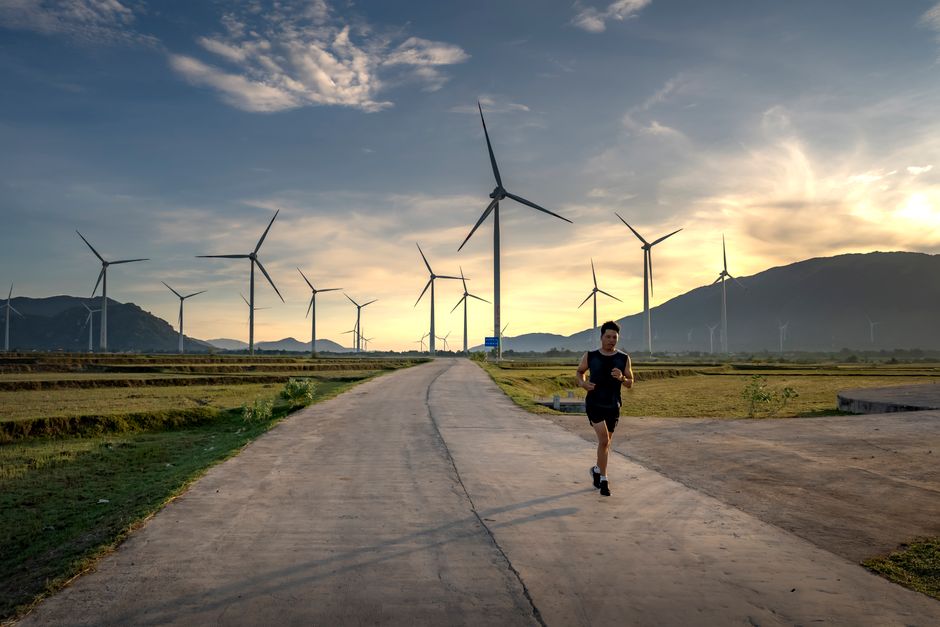
The safest way to stay active in summer heat is simple: move early or near sunset, lower your pace, and drink before you feel thirsty. A hot workout is not a test of toughness. Your body must send more blood to the skin for cooling, while exercise also raises your internal temperature. Add humidity, direct sun, or poor sleep, and a normal run can become a heat problem quickly.
Use the plan below to choose a safer time, prepare your body, spot trouble early, and adjust activities for children, older adults, and anyone returning to exercise.
Why heat changes the way your body handles exercise
Heat makes the same workout feel harder because your body has two jobs at once: supplying working muscles and releasing heat. Blood moves toward the skin so sweat can evaporate. When humidity is high, sweat sits on the skin instead of evaporating, so cooling slows down. Your heart then works harder to maintain circulation.
Sweat is useful, but thirst is a late signal
Thirst helps, but it does not always appear at the start of fluid loss. Begin a summer workout already hydrated. For a session lasting less than 60 minutes, drink water with meals and take a few small sips during the activity. For longer sessions or heavy sweaters, a drink containing sodium can help replace some of the salt lost through sweat. Do not force large amounts of water quickly; that can also create a health risk.
A practical check is your urine color. Pale yellow usually suggests a reasonable fluid balance. Dark yellow urine, a dry mouth, headache, or unusual fatigue means you should pause, cool down, and drink slowly before exercising again.
Humidity and sun exposure matter as much as the thermometer
Check the heat index, not only the air temperature. A 86°F afternoon with high humidity may stress the body more than a dry 95°F morning. Direct sun adds another burden, especially on blacktop, sand, and open fields. Choose shade, reduce the session length, and plan a route near water, buildings, or a place with air conditioning.
Verdict: A shorter workout in cool shade is better training than a longer workout that leaves you dizzy, nauseated, or chilled with goosebumps.
What time of day is safest for outdoor exercise?
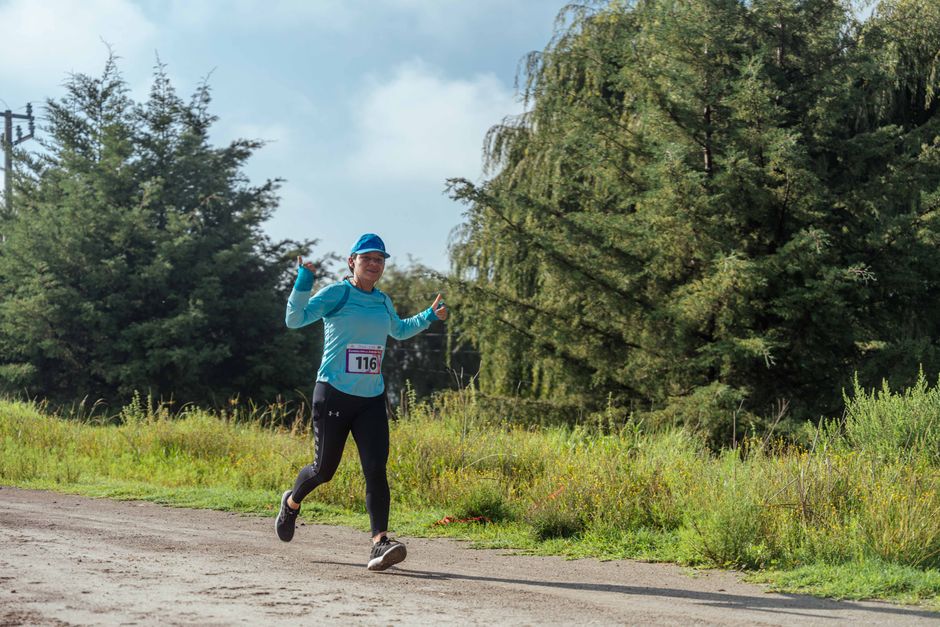
The best default is before 9 a.m. or after 7 p.m., with the morning usually winning because pavement and body temperature have not built up from the day. Use the table as a starting point, then check local heat and humidity before leaving.
Use this timing table for common summer activities
| Activity | Best starting window | Heat adjustment | Recommended limit |
|---|---|---|---|
| Walking with children | 7–9 a.m. | Choose shade and bring water | 30–60 minutes |
| Soccer or field sports | Before 9 a.m. or after 7 p.m. | Add cooling breaks every 15–20 minutes | Short drills, not nonstop play |
| Strength training | Any cool indoor period | Use a fan and extend rest periods | 30–45 minutes |
| Swimming | Morning or late afternoon | Use sun protection and drink regularly | 30–60 minutes |
Pick the morning when conditions are close
Morning exercise is the clear choice for runners, children, and beginners when the forecast looks similar at both ends of the day. It usually offers cooler surfaces and less accumulated heat. Late evening works well for adults who cannot train early, but do not confuse a dark sky with cool conditions. Concrete and asphalt can stay warm for hours.
Skip outdoor training when the heat index reaches a level that makes normal walking feel oppressive, when air quality is poor, or when the weather service issues a heat warning. Move the workout indoors. A missed session costs less than heat illness.
How to prepare for a hot workout step by step
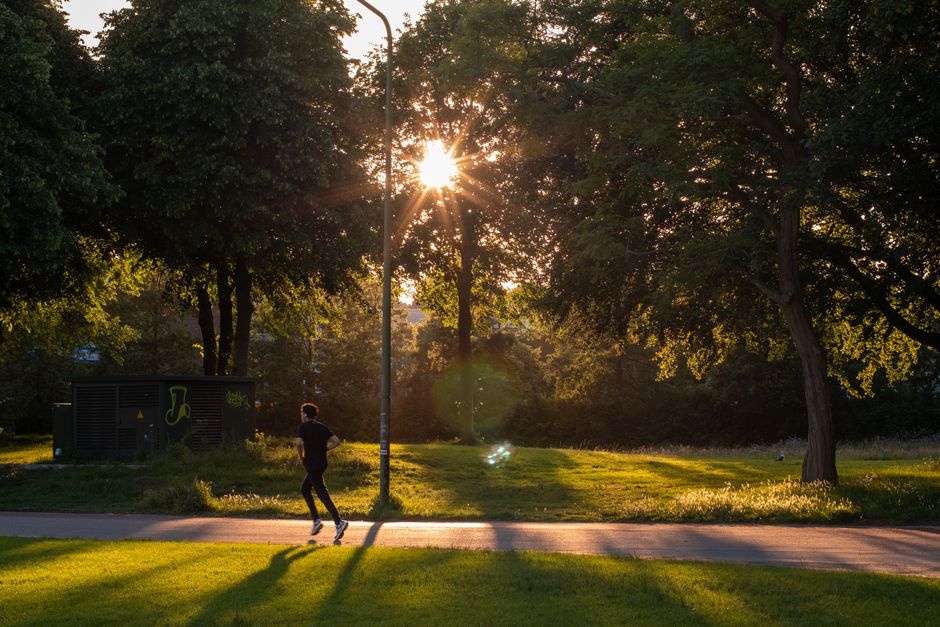
Use this six-step routine before every outdoor session above 80°F, especially when humidity is high. The goal is not to remove all discomfort. The goal is to notice rising heat early enough to make a safe decision.
Follow this six-step pre-workout checklist
- Check the forecast. Look at temperature, heat index, humidity, wind, and air quality. If the heat index is much higher than the temperature, shorten the workout before you start.
- Drink with breakfast or lunch. Water, milk, or a normal meal can support hydration. Avoid starting with alcohol or a large amount of caffeine.
- Dress for evaporation. Wear a light-colored shirt made from quick-drying fabric, breathable socks, and a hat with ventilation. Cotton can become heavy when soaked.
- Plan a cooling route. Loop past a home, shop, gym, shade structure, or water fountain. Tell another adult where children will play.
- Cut the intensity. Replace sprint intervals with easy repeats, keep a conversational pace, and add one-minute walking breaks every 10–15 minutes.
- Set a stop rule. End the session for dizziness, confusion, vomiting, faintness, severe headache, unusual weakness, or skin that feels hot and dry. Move to a cool place and get medical help for serious symptoms.
Use the talk test instead of chasing a normal pace
In heat, your usual pace and heart rate may not match your effort. Speak a full sentence while walking, jogging, or cycling. If you can only answer with a few words, slow down. This simple test works without a watch and is easier for families than comparing everyone with the fastest person in the group.
Acclimation takes repeated exposure, not one heroic workout. Children and people returning after illness need an even slower start.
When should you stop, switch indoors, or skip the workout?
Stop immediately for confusion, fainting, loss of coordination, vomiting, severe weakness, chest pain, trouble breathing, or a worsening headache. Move the person to shade or air conditioning, remove extra clothing, cool the skin with wet cloths or cool water, and seek urgent medical help for severe symptoms. Do not make someone with possible heat illness keep walking home.
When is indoor exercise the better choice?
Choose an indoor workout when the heat index is high, the air quality is poor, you cannot access shade or water, or the group includes someone who is sick, sleep-deprived, pregnant, very young, older, or taking medicine that affects sweating or fluid balance. A 30-minute indoor strength session, mall walk, swimming-pool workout, or low-impact video is a complete training day.
Common mistakes to remove from your plan
- Do not wait for thirst before taking the first drink.
- Do not replace water with alcohol or energy drinks before exercise.
- Do not use a cold shower as proof that you can repeat a dangerous workout.
- Do not leave a child or pet in a parked car while you exercise.
- Do not train through chills, goosebumps, confusion, or a sudden drop in performance.
- Do not compare your hot-weather pace with your cool-weather pace.
Final verdict: For most people, the safest summer routine is an early, shaded session at an easier pace, with planned water breaks and a clear stop rule. Stay active in summer heat by managing exposure before your body has to manage a crisis.
Medical Disclaimer: This content is for informational purposes only and does not constitute medical advice. Always consult a qualified healthcare professional before making health-related decisions.