
It’s Tuesday evening. You’re tired. The idea of another bland chicken breast or questionable takeout looms. You want something comforting, genuinely flavorful, but also something that actively supports your well-being, especially your heart. This isn’t a minor concern. It’s a daily battle for many.
Consider this: The American Heart Association states that nearly half of all American adults have some form of cardiovascular disease. Diet plays a critical role, yet time constraints often push healthier options aside. What if a meal could be both quick and a powerhouse for your heart? A delicious answer exists.
The Silent Threat: Why Dinner Choices Matter
Our daily food choices silently shape our future. Regularly opting for processed meals or unbalanced dinners contributes to more than just weight gain. It impacts long-term cardiovascular health. High sodium, unhealthy fats, and refined carbohydrates, common in many convenience foods, increase the risk of hypertension, high cholesterol, and inflammation. These are direct pathways to heart disease.
The cumulative effect of these choices is profound. A single fast-food meal won’t cause a heart attack, but a consistent pattern of nutrient-poor dinners will strain your cardiovascular system over time. The body works harder to process these foods, leading to increased blood pressure and arterial damage. This is a quiet, insidious process, often unnoticed until significant issues arise. Breaking this cycle starts with intentional decisions about what we prepare at home.
The Hidden Costs of Convenience
The allure of convenience is strong. Ready meals, frozen pizzas, and quick-service options promise time savings. They deliver on that promise, but at a cost to your health. These products often contain hidden sugars, excessive sodium, and trans fats – ingredients known to harm the heart. For example, many pre-made pasta sauces are packed with more sodium than a homemade version, even when labeled ‘healthy’. A standard frozen lasagna can contain over 1,000mg of sodium, roughly half your daily recommended intake, in a single serving. This consistent overconsumption puts your heart under constant stress.
Beyond the nutritional content, convenience foods also lack the fresh, vibrant micronutrients found in whole ingredients. Cooking at home allows you to control every element, ensuring a balance of lean protein, healthy fats, and complex carbohydrates. It’s an investment in your well-being that convenience simply cannot replicate.
Mediterranean Principles for a Healthier Heart
The Mediterranean diet consistently ranks as one of the healthiest eating patterns globally, particularly for cardiovascular health. Its core principles align perfectly with preventing heart disease: emphasizing whole grains, fruits, vegetables, legumes, nuts, and healthy fats like olive oil. Fish and seafood feature prominently, providing essential omega-3 fatty acids.
This dietary pattern moves away from red meat and processed foods, focusing instead on nutrient-dense ingredients. Studies, like the PREDIMED trial, have shown that individuals following a Mediterranean diet experience significantly lower rates of major cardiovascular events. It’s not just about specific foods; it’s about a holistic approach to eating that prioritizes fresh, unprocessed ingredients and healthy fats. Incorporating these principles into your weeknight meals, even with a dish like prawn ragu, offers substantial protective benefits for your heart.
Omega-3 Power: Prawns vs. Other Proteins
When selecting lean proteins, the nutritional profiles vary significantly. Prawns stand out, not just for their low calorie count and high protein content, but for their notable contribution of essential nutrients, particularly Omega-3 fatty acids. These polyunsaturated fats are critical for heart health, reducing inflammation and supporting healthy cholesterol levels. Other popular protein sources offer different benefits, but prawns provide a unique package.
Comparing Lean Protein Sources
Let’s look at how common lean proteins stack up nutritionally per 100g serving, focusing on key heart-healthy metrics:
| Protein Source | Calories | Protein (g) | Fat (g) | Omega-3s (mg) | Cholesterol (mg) |
|---|---|---|---|---|---|
| Prawns (Cooked) | 99 | 24 | 0.3 | 290 | 189 |
| Chicken Breast (Cooked, Skinless) | 165 | 31 | 3.6 | 30 | 85 |
| Salmon (Cooked) | 208 | 20 | 13 | 2150 | 63 |
| Cod (Cooked) | 82 | 18 | 0.7 | 100 | 43 |
| Lean Ground Beef (Cooked, 90%) | 250 | 26 | 15 | 50 | 75 |
Why Prawns Take the Lead
While salmon clearly offers the highest Omega-3 content, its higher fat and calorie count might not be ideal for every meal plan. Prawns, however, provide a lean, low-calorie protein source with a substantial amount of Omega-3s. At 290mg per 100g, they significantly outpace chicken, cod, and lean beef in this critical nutrient, without adding much dietary fat. Their versatility also means they adapt well to various cooking methods, making them an excellent choice for a light, heart-healthy ragu.
The cholesterol content in prawns often raises questions. While they are higher in dietary cholesterol than some other proteins, recent research indicates that dietary cholesterol has less impact on blood cholesterol levels for most people compared to saturated and trans fats. The healthy fats, antioxidants, and selenium in prawns likely offset this, making them a beneficial addition to a balanced diet focused on heart health. For a quick, impactful boost of Omega-3s in a lean package, prawns are hard to beat.
Crafting Your Healthy Prawn Ragu: Step-by-Step
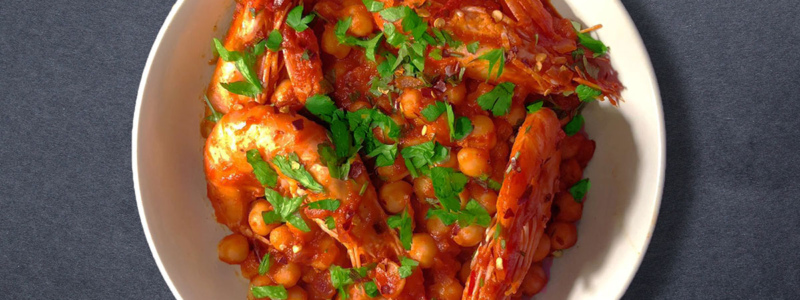
This Prawn Ragu is designed for speed without sacrificing flavor or health benefits. It comes together in under 30 minutes, making it perfect for a busy weeknight. The key is fresh, quality ingredients and a logical workflow.
-
Essential Mise en Place
Start by preparing all your ingredients before you even turn on the stove. This streamlines the cooking process. For this recipe, you will need:
- 450g (1 lb) raw prawns, peeled, deveined, tails on or off (your preference)
- 1 tablespoon extra virgin olive oil (e.g., California Olive Ranch Everyday Extra Virgin Olive Oil)
- 1 small yellow onion, finely diced
- 2 cloves garlic, minced
- 1/2 teaspoon red pepper flakes (adjust to taste)
- 80ml (1/3 cup) dry white wine (like Pinot Grigio) or vegetable broth
- 790g (28 oz) can crushed San Marzano tomatoes (e.g., Mutti Crushed Tomatoes)
- Salt and freshly ground black pepper to taste
- 30g (1/4 cup) fresh parsley, chopped
- 2 tablespoons fresh basil, chopped
- 225g (8 oz) linguine or tagliatelle (e.g., De Cecco Linguine No. 7)
Pat the prawns dry with paper towels. This step is crucial for getting a good sear.
-
Building Flavors: The Ragu Base
Heat the olive oil in a large skillet or Dutch oven over medium heat. Add the diced onion and cook until softened, about 5 minutes. Stir in the minced garlic and red pepper flakes. Cook for another minute until fragrant. Do not let the garlic brown.
Pour in the white wine or vegetable broth. Scrape up any browned bits from the bottom of the pan with a wooden spoon. Let it simmer for 2-3 minutes until the liquid has reduced by half. This builds a complex flavor base for the ragu.
Add the crushed San Marzano tomatoes to the pan. Season with salt and pepper. Bring the sauce to a gentle simmer, then reduce the heat to low. Let it cook for 10-15 minutes, stirring occasionally, allowing the flavors to meld. While the sauce simmers, cook your pasta according to package directions until al dente. Reserve about 1 cup of the starchy pasta water before draining.
-
Final Assembly
Once your pasta is cooked and drained, add the prawns directly into the simmering tomato sauce. Stir gently. Cook for 2-4 minutes, or until the prawns turn opaque and pink. Be careful not to overcook them, as they can become tough quickly. The heat from the sauce will finish them perfectly.
Add the cooked linguine or tagliatelle to the pan with the prawn ragu. Toss to coat the pasta thoroughly in the sauce. If the sauce seems too thick, add a splash of the reserved pasta water, a tablespoon at a time, until it reaches your desired consistency. Stir in the fresh parsley and basil. Taste and adjust seasoning as needed. Serve immediately.
Beyond the Bowl: Key Ingredient Decisions
The success of any simple recipe hinges on the quality of its core ingredients. This Prawn Ragu is no exception. While the steps are straightforward, deliberate choices about your prawns and tomatoes elevate the dish from good to exceptional, and significantly impact its nutritional value.
The Right Prawns Make the Dish
This is where quality truly matters. I firmly recommend sourcing **wild-caught prawns** over farmed whenever possible. Wild-caught varieties generally have a superior flavor and texture, often with a sweeter, cleaner taste. They are typically harvested from natural environments, reducing concerns about antibiotics, crowded conditions, or feed quality that can sometimes be associated with farmed prawns.
Look for prawns that are firm, translucent, and have a fresh, mild sea smell. Avoid any that smell fishy or have black spots on their shells, which can indicate spoilage. If you’re using frozen prawns, opt for individually quick-frozen (IQF) options. Thaw them slowly in the refrigerator overnight or under cold running water just before cooking. This preserves their delicate texture. Brands like Kirkland Signature (Costco’s house brand) often offer high-quality frozen wild-caught prawns that perform exceptionally well in this ragu, ensuring consistent taste and texture.
Tomato Quality: A Non-Negotiable
The sauce is the heart of this ragu, and the quality of your tomatoes dictates everything. Do not compromise here. **San Marzano tomatoes** are the gold standard for Italian sauces for a reason. These plum tomatoes, grown in the volcanic soil of Agro Sarnese-Nocerino near Mount Vesuvius, have a naturally sweet, less acidic flavor with fewer seeds and a robust flesh. This results in a richer, more balanced sauce without needing added sugar.
Specific brands truly make a difference. Mutti Crushed Tomatoes and Cento San Marzano Peeled Tomatoes are consistently excellent choices available in most well-stocked grocery stores. If you can’t find true San Marzanos, opt for high-quality domestic crushed tomatoes from brands like Muir Glen or Tuttorosso. Avoid generic canned tomatoes; they often contain more water, less flavor, and can be overly acidic. The slight price difference for premium tomatoes is a worthy investment in the overall depth and authenticity of your ragu.
Smart Substitutions and Storage Tips
Can I use frozen prawns?
Absolutely. Most home cooks rely on frozen prawns, and they work perfectly in this recipe. Ensure you thaw them properly first. The best method is to transfer them from the freezer to the refrigerator the night before. If you need them faster, place the sealed bag of frozen prawns under cold running water for 15-20 minutes until thawed. Pat them completely dry with paper towels before adding them to the sauce. This prevents excess water from diluting your ragu and helps them cook evenly without becoming rubbery.
What pasta works best?
For a ragu, the choice of pasta matters for how well it holds the sauce. Longer, flat pasta shapes with some texture are ideal. **Linguine, tagliatelle, or even fettuccine** are excellent choices. Their broader surface area allows the rich tomato sauce and small pieces of prawn to cling effectively. Spaghetti can also work, but its rounder shape might not pick up as much sauce. Avoid very thin pastas like angel hair, as they can become mushy quickly when mixed with a hearty sauce. If you prefer a shorter pasta, consider a rigatoni or paccheri, which can scoop up the sauce beautifully.
How long does prawn ragu last in the fridge?
Prawn ragu is best enjoyed fresh. Seafood, especially prawns, has a shorter shelf life once cooked. If stored in an airtight container in the refrigerator, it will remain safe and flavorful for up to **2 days**. For optimal taste and texture, consume it within 24 hours. Reheat gently on the stovetop over low heat, adding a splash of water or broth if the sauce has thickened too much. Freezing is generally not recommended for cooked prawns, as their texture can become rubbery and unpleasant upon reheating. It’s best to cook only what you plan to eat or store the sauce separately from the cooked prawns if you must keep leftovers beyond a day.
Your Weeknight Solution, Solved
That initial dilemma – the tired Tuesday evening, the craving for something satisfying yet healthy – it’s a common one. But it doesn’t have to end in compromise or culinary fatigue. This Prawn Ragu offers a delicious, heart-healthy path. With its lean protein, vital Omega-3s, and fresh ingredients, it’s a meal that nourishes both body and soul. You’ve prepared a dish that actively works for your cardiovascular health, all while delivering comfort and rich flavor. The battle for a better dinner, and a healthier heart, is won.