
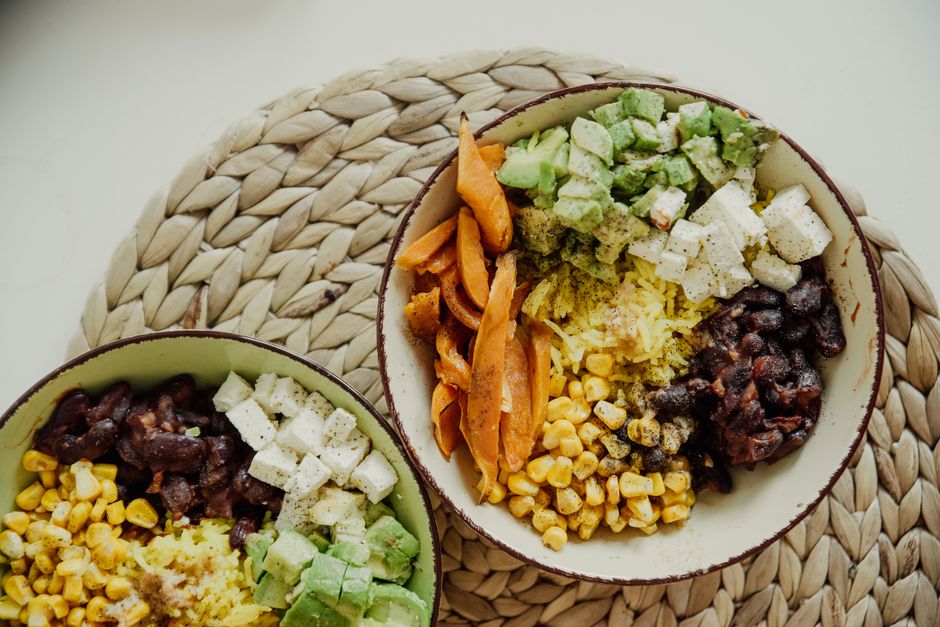
A loaf of bread can look brown and still contain little or no whole grain. The useful test is not color; it is the ingredient list and the grain named on the package. This is not legal advice—consult a licensed attorney.
What Counts as a Whole Grain?
The relevant question is whether the grain keeps its three main parts: the bran, the germ, and the endosperm. Milling can remove the bran and germ, leaving refined flour or refined rice. Whole grains keep those parts, so they usually provide more fiber and a wider range of naturally occurring nutrients than their refined counterparts.
Use the grain name as your first test
Look for words such as whole wheat, whole oats, brown rice, barley, bulgur, quinoa, buckwheat, whole rye, or whole-grain corn. “Multigrain” only means that several grains appear; it does not prove that those grains are whole.
Know the serving-size evidence
In common U.S. dietary guidance, one ounce-equivalent can be about one slice of bread, one-half cup of cooked rice, pasta, or cereal, or one cup of ready-to-eat cereal. These amounts help with planning, but they are not a required prescription. A family can start with one whole-grain serving at breakfast and build from there. The strongest habit is the one that replaces a refined grain without making meals harder.
Build the Week Around Five Simple Swaps
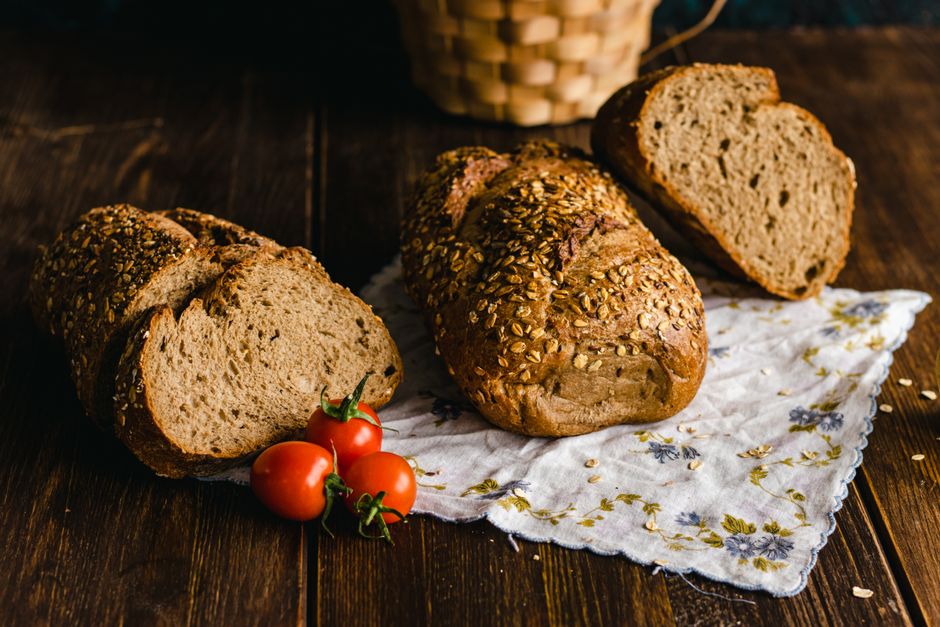
The easiest route is substitution. Keep the meal familiar, then change one grain. This reduces cooking decisions and gives children or hesitant eaters time to adjust to a firmer texture.
- Replace white toast with whole-wheat toast at breakfast.
- Use rolled oats or steel-cut oats instead of a refined breakfast pastry.
- Serve brown rice, barley, or quinoa with one dinner each week.
- Choose whole-wheat pasta for half the pasta in a mixed dish, then increase the proportion later.
- Add popcorn made from whole kernels as a snack instead of a heavily sweetened snack food.
Start with the meal that already works
Do not rebuild the entire menu at once. If oatmeal is already accepted, add fruit, cinnamon, or chopped nuts rather than changing the recipe completely. If the family prefers rice, mix one-quarter brown rice with three-quarters white rice for the first few meals. Increase the whole-grain share when the texture feels normal.
Use a visible weekly target
Place seven boxes on a calendar and mark each meal that includes a whole grain. A missed day does not cancel the habit; it simply identifies the next meal where an easy swap can happen.
What Does a Seven-Day Whole-Grain Schedule Look Like?
A schedule removes the need to make the same nutrition decision repeatedly. The plan below uses familiar foods and spreads preparation across the week. Portions can be adjusted for age, appetite, activity, and medical needs.
A practical seven-day outline
| Day | Meal | Whole-grain choice | Simple portion guide |
|---|---|---|---|
| Monday | Breakfast | Oatmeal | One-half to one cup cooked |
| Tuesday | Lunch | Whole-wheat sandwich bread | Two slices |
| Wednesday | Dinner | Brown rice | One-half to one cup cooked |
| Thursday | Snack | Air-popped popcorn | Three cups popped |
| Friday | Dinner | Whole-wheat pasta | One-half to one cup cooked |
| Saturday | Breakfast | Whole-grain cereal | About one cup, depending on the label |
| Sunday | Dinner | Barley or bulgur | One-half to one cup cooked |
Adjust the plan without losing the structure
Use the same schedule with different grains. Barley can replace brown rice, quinoa can replace bulgur, and whole-grain tortillas can replace bread. People who cook for several days can prepare two cups of cooked grain at once, cool it promptly, refrigerate it, and use it in meals over the next few days according to safe food-storage practices.
Why Breakfast Is the Best Place to Start
Breakfast is the best starting point because it offers the most predictable meal window. A repeatable morning grain creates an early win before work, school, sports, and errands compete for attention.
Choose a texture the household will actually eat
Oats work well for people who prefer soft foods. Whole-grain toast suits people who need a fast meal. A whole-grain cereal can be practical when cooking is not realistic. The correct choice is the one that appears on the table often enough to become routine. Add protein and produce when possible, such as yogurt with oats or eggs with whole-wheat toast, so the meal is more filling.
Prepare two breakfasts, not seven
Make one cooked option and one no-cook option. For example, prepare oats for two mornings and keep whole-grain toast, fruit, and a protein food available for busy days. This small backup plan prevents a rushed morning from eliminating the grain choice. Sweet toppings can remain, but use them as accents rather than the main reason to eat the meal.
Why Whole Grains Sometimes Cause Bloating
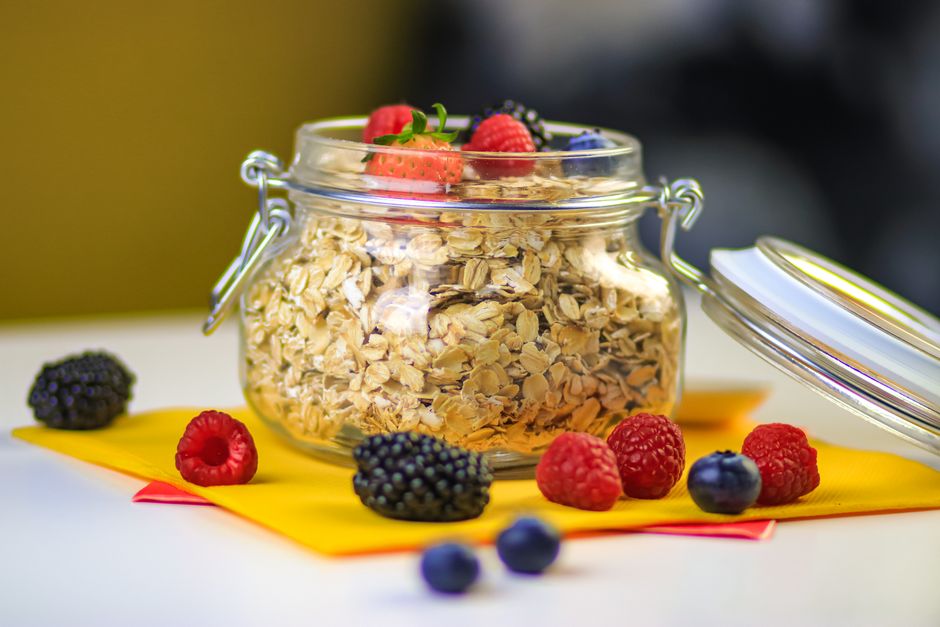
Some people notice gas, fullness, or changes in bowel movements after increasing whole grains. The usual problem is a rapid rise in fiber, not proof that every whole grain is unsuitable. Fiber changes stool volume and can alter fermentation in the gut. A sudden increase can feel uncomfortable, especially when fluid intake stays low.
Increase fiber in measured steps
Add one new whole-grain serving every few days rather than changing breakfast, lunch, dinner, and snacks at once. Start with a half-serving if a full serving feels heavy. Keep a short note of the food, portion, timing, and symptoms. That record can show whether the issue follows one grain or the size of the overall change.
Pair the grain with fluids and familiar foods
Drink regularly throughout the day and include fruit, vegetables, beans, or other foods your body already handles well. Brown rice, oats, and sourdough-style whole-grain bread may feel different from dense bran cereals. Texture and portion matter. Cooking grains until tender can also make meals easier to tolerate.
Know when to pause and seek help
Severe or persistent abdominal pain, vomiting, blood in the stool, unexplained weight loss, or ongoing diarrhea needs medical attention. People with celiac disease, inflammatory bowel disease, a known food allergy, or a medically prescribed diet should ask a qualified clinician or registered dietitian which grains are appropriate. Avoid self-diagnosing from one uncomfortable meal.
Whole-Grain Questions Families Ask
Is brown rice always better than white rice?
Brown rice usually provides more fiber because the bran and germ remain, but white rice can still fit into a balanced diet. The most useful move is to replace some refined servings over the week, not to treat one food as forbidden. A mixed serving can help families move toward more whole grains without creating a separate meal.
Does whole-wheat bread have to taste dense?
No. Texture varies by recipe, milling, moisture, and the amount of whole-grain flour used. Read the ingredient list and compare labels for fiber rather than relying on color alone. Toasting, adding a moist filling, or serving smaller slices can make the change easier for people who dislike a dry texture.
Are gluten-free grains whole grains?
Some are. Brown rice, quinoa, buckwheat, certified gluten-free oats, and whole-grain corn can all be whole-grain choices. “Gluten-free” describes gluten content; it does not automatically describe the amount of fiber or whether the grain is whole. People with celiac disease should use products and preparation methods that meet their clinician’s cross-contact guidance.
How to Keep the Habit When the Week Goes Wrong
The strongest plan includes a recovery rule: the next meal is the next opportunity. A late practice, missed grocery trip, or disliked recipe should not turn into a full week without whole grains.
Keep three emergency choices available
Store a quick-cooking grain, whole-grain bread in the freezer, and plain popcorn kernels or another shelf-stable whole-grain option. These foods cover different situations: a rushed dinner, a fast lunch, and a snack. The goal is not a perfect pantry. It is having one workable option when the planned meal fails.
Replace the hardest meal last
Leave restaurant meals, packed lunches, or family celebrations alone at first if they create conflict. Build the habit around the easiest meals, then address the difficult one. When eating away from home, look for brown rice, whole-wheat bread, oats, barley, bulgur, or whole-grain tortillas when available. Choose the grain that fits the meal rather than forcing an unfamiliar substitute.
Medical Disclaimer: This content is for informational purposes only and does not constitute medical advice. Always consult a qualified healthcare professional before making health-related decisions.