
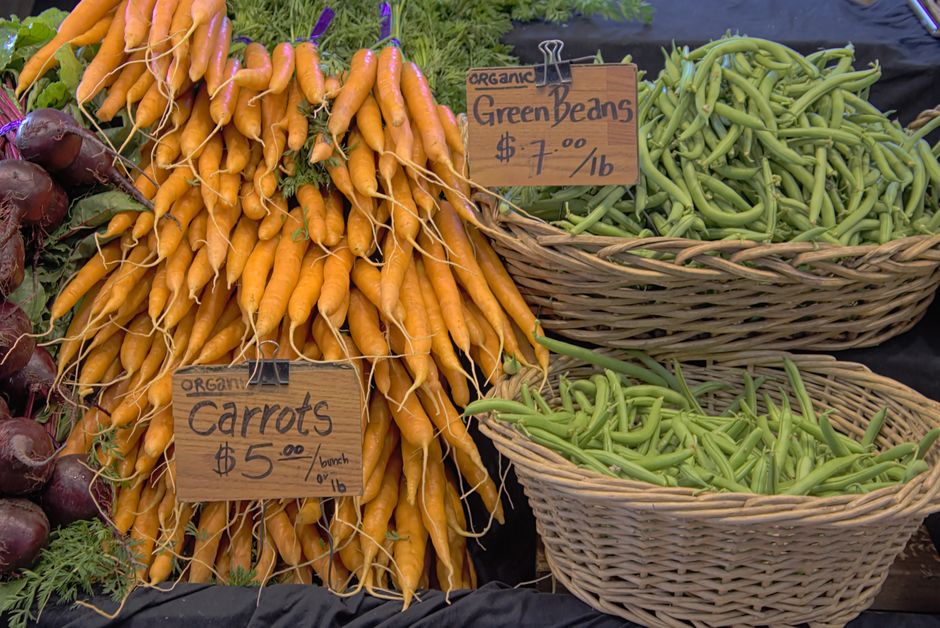
It is March 12, dinner is an hour away, and the refrigerator holds limp spinach, two hard avocados, and a bag of expensive vegetables nobody wants to eat. Now the family wants something filling, your workout day needs a decent source of carbohydrates and fiber, and the produce drawer is already losing the battle.
It is learning which seasonal vegetables in March handle cool weather, which ones need quick cooking, and which ones can wait. March rewards sturdy choices such as cabbage, carrots, leeks, broccoli, radishes, and spinach. Asparagus and peas can be excellent too, but their timing varies more by region and weather.
A vegetable is not a bargain if half of it ends up in the compost.
Which Vegetables Are Actually in Season in March?
Cool-weather leaders deserve the first spot in your basket
The strongest March choices are vegetables that grow well through cool nights or store well after harvest. They also work across several cooking styles, which matters when one household wants soup, another wants roasted food, and someone else needs a quick lunch.
Seasonal does not mean every farm in every state harvests the same crop on the same day. A shopper in southern California may find local asparagus in early March, while a shopper in Minnesota may see mostly stored root vegetables and greenhouse greens.
The calendar cannot replace a quality check
Choose cabbage heads that feel heavy for their size, carrots that stay firm, leeks with crisp green tops, and broccoli with tight dark-green crowns. Spinach should look lively rather than wet or slimy. Radishes should feel hard, not rubbery. Asparagus should stand upright with firm tips; bent, wrinkled spears have already lost quality.
For the best March value, start with cabbage, carrots, and broccoli. They cost less than delicate spring vegetables, survive a busy week, and still taste good after roasting or simmering.
Why March Vegetables Taste Better When You Stop Chasing Summer Produce
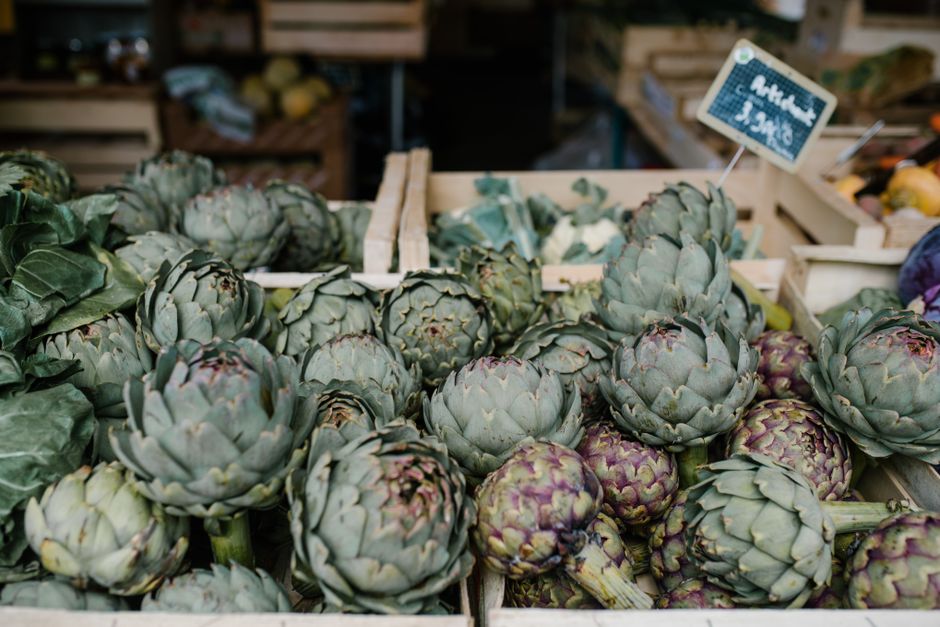
The best flavor comes from matching the vegetable to the weather
Verdict: March is a better month for savory, sturdy cooking than for copying a July salad. Cool-weather vegetables contain enough structure to stand up to heat, broth, acid, and longer cooking. Cabbage becomes sweet around the edges after roasting, leeks melt into a silky base for soup, and carrots develop a deeper flavor at 425°F. Treating those vegetables like fragile garnish wastes what they do best.
Seasonality is also a storage decision
A March shopping trip should reduce waste before it improves variety. Add spinach near the end of the week because it spoils faster.
The first principle is simple: choose vegetables that solve your real problem. March produce works best when the cooking method follows the vegetable instead of forcing every vegetable into the same salad.
How to Cook March Produce for a Full Week of Meals
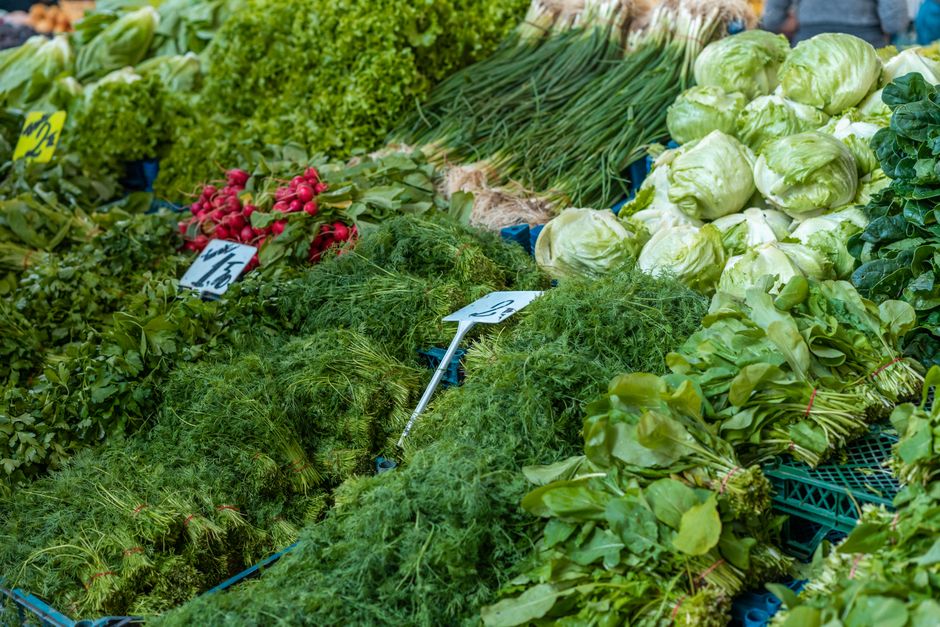
Use one preparation plan, then change the flavor
The best March cooking system creates ingredients that can move between meals. Roast a tray of carrots and broccoli, slice raw cabbage for slaw, and cook leeks into a soft base for soup or eggs. Keep seasoning neutral at first so the same vegetables can take on different flavors later.
- Shop for three textures. Choose one crisp vegetable, such as radishes or cabbage; one roasting vegetable, such as carrots or broccoli; and one tender vegetable, such as spinach or leeks.
- Prep the vegetables on the same day. Remove damaged leaves, rinse away grit, and dry leafy greens thoroughly. Cut carrots into pieces of similar size so thin ends do not burn before the centers soften.
- Roast the sturdy vegetables at 425°F. Carrots usually need 25 to 35 minutes, broccoli needs 18 to 22 minutes, and cabbage wedges need about 25 minutes. Leave space between pieces so steam can escape.
- Cook tender vegetables last. Add spinach to a hot pan for 2 to 3 minutes, or stir sliced leeks over medium heat for 8 to 12 minutes until soft. These vegetables do not need the same cooking time as carrots.
- Build three meals from the same batch. Serve roasted vegetables with eggs, fold them into a grain bowl, then add them to soup or a whole-grain wrap. Change the sauce, not the entire shopping list.
Use heat, acid, and fat with purpose
Roasting brings out sweetness, but a little acid keeps the plate from tasting heavy. Add lemon juice to broccoli, vinegar to cabbage, or yogurt mixed with herbs beside roasted carrots. A teaspoon of olive oil helps browning, yet drowning vegetables in oil hides their flavor and adds calories without making the meal more satisfying.
For fitness-focused meals, pair vegetables with a clear protein source and a useful carbohydrate. Lentils with leeks and carrots, eggs with spinach and potatoes, or chicken with cabbage and brown rice will keep you fuller than a large bowl of plain greens. The vegetable does not need to carry the whole meal.
Keep cooked vegetables in shallow containers and refrigerate them within two hours. Use roasted vegetables within four days for the best texture. Store raw radishes and cabbage separately from wet greens, since extra moisture speeds spoilage.
Common March Produce Mistakes That Make Healthy Food Expensive
treating package labels as proof of freshness
A sell-by date tells you less than the condition of the food. Check the bottom of a bag for pooled water, inspect broccoli florets for dark spots, and smell packaged greens before cooking.
Frozen vegetables are not a failure or a nutritional compromise for every meal. The texture will be softer than fresh roasted broccoli, so use it in fried rice, soup, pasta, or a grain bowl rather than expecting crisp edges.
None of these packages is automatically better; the best choice is the one that matches the meal you will actually cook.
crowding the roasting pan
Vegetables need contact with hot metal and room for moisture to escape. When broccoli, carrots, and cabbage sit in a dense pile, they steam instead of brown. Spread them across two pans or cook in batches. This small change improves texture more than an expensive seasoning blend.
throwing away the useful parts
Peel thick broccoli stems, slice them into coins, and roast them with the florets. Keep clean carrot tops for pesto or stock. Use the green parts of leeks in broth after washing away grit. Remove only damaged leaves and tough ends.
Medical Disclaimer: This content is for informational purposes only and does not constitute medical advice. Always consult a qualified healthcare professional before making health-related decisions.